




4 Ways to Manage Risk in the Age of CSA
CSA may be an enforcement tool for the FMCA, but you also can use CSA as a catalyst to create transparency and accountability in your organization.


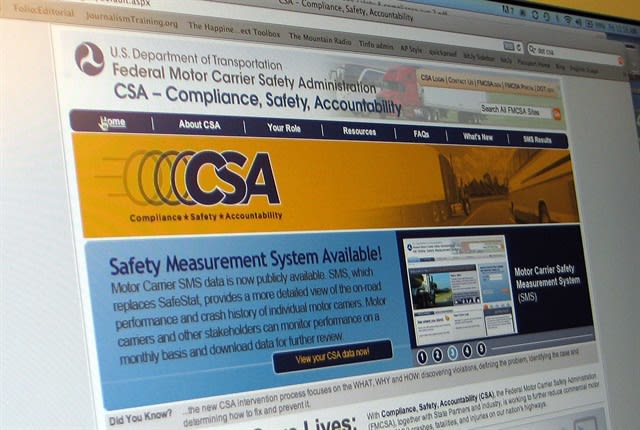
CSA may be an enforcement tool for the FMCA, but you also can use CSA as a catalyst to create transparency and accountability in your organization.
John Simms, vice president with HNI, offered the following tips during a session at last month's Fleet Safety Conference, put on by Bobit Business Media in Schaumburg, Ill.:
1. Create a safety culture.
Everyone's got to understand CSA, and everyone must be accountable inside your company for CSA scores. A culture of responsibility must begin at the top. Responsibilities and expectations must be clearly defined. Give staff the tools to succeed, such as driver scorecards. Provide ongoing training to foster continuous improvement. You have to continue to train people after you get them through orientation. It's not just about driving a truck anymore. Recognize good effort and results. It's really important you have tools in place to measure.
2. Get operations personnel involved.
Distractions are a major cause of serious accidents. Driver managers have the most contact with drivers, but it's important to teach ALL personnel how to listen to drivers. Have them watch for hot buttons such as talk of family problems, money problems, unexplained irritability, or they suddenly become a compliance issue or have performance issues when they didn't in the past.
"If you think your safety department is the one who's going to solve all your issues, you're wrong. Once the safety department is involved, it's too late."
3. Use what you learn from drivers.
Don't think a driver problem is not your problem. Trust your gut feeling. From the person who answers the phone to the biller, it's everyone's problem. Know when you need to spend a little extra time with a driver.
"I've been to so many trucking companies where there's no truck parking at the corporate office. That tells you drivers aren't welcome," Simms said.
"Create an infrastructure to address driver issues. Remember your driver is the cause of your CSA scores."
4. Effectively improve public data.
This starts with the hiring or contracting process. If you do a better job on the front end, you're going to have a better quality driver out there and have lower CSA scores.
"When we look at companies with great CSA scores, they have a very effective hiring and screening processes, and an effective onboarding/orientation program, that lasts for three or four or six or seven days."
Monitor safety management system data, and challenge roadside inspection write-ups when warranted.
"Maintain a good working relationship with your local DOT officials," Simms said. "Those are the guys who make or break you."
HNI is an insurance broker and safety consulting firm that helps companies improve their safety programs in order to help them get the best rates from the underwriting community.
More Safety & Compliance

Kodiak Lines Up Fleets for Driverless Trucking
An agreement for 75 trucks, a new Texas freight lane, and progress on safety validation move Kodiak closer to its planned driverless highway launch.
Read More →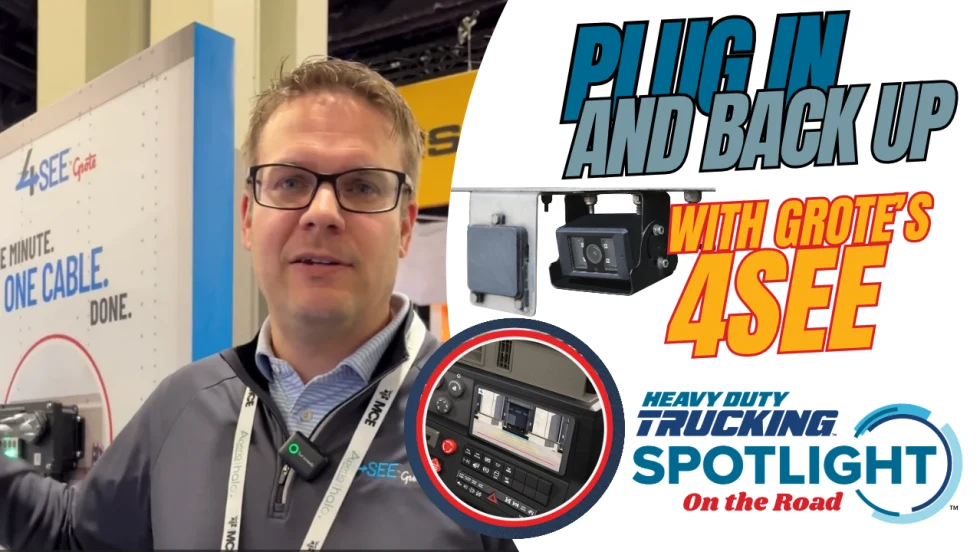
More Trailer Data Through the Same Seven-Way [Video]
Can trucking’s standard seven-way connector handle more cameras and trailer data? Grote’s Adam Slade shows HDT how the company is using new technology with its 4See trailer system, not only to add a new backup camera but also to expand other capabilities — without adding another connection.
Read More →
PrePass Intelligence Mines Fleet Bypass, Toll and Safety Data
PrePass Intelligence helps fleets measure bypass savings, flag potential toll overcharges, and spot suspicious transactions by combining data from separate systems.
Read More →
Fatal Crash Exposes Toll Plaza Risks
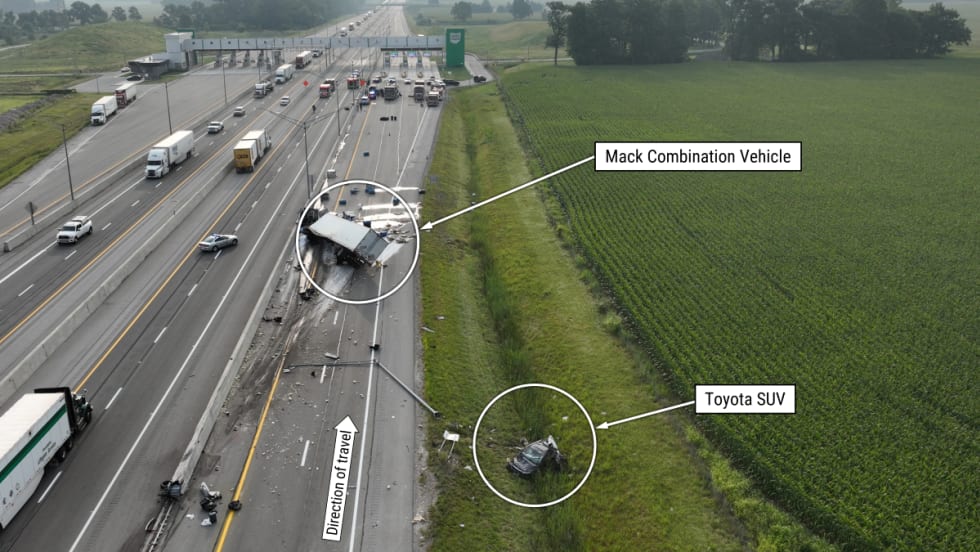
An NTSB investigation found that last-minute lane changes and large speed differences at an Ohio toll plaza created a hazard the truck driver couldn't avoid in time.
Read More →
When Language Stops the Truck: The Return of ELP Out-of-Service Orders
English language proficiency rules for commercial drivers aren’t new, but renewed out-of-service enforcement has raised the stakes. Here’s what carriers need to know before a driver reaches a roadside inspection.
Read More →
A Camera Isn't a Safety Program. Here's What Brokers Are Screening for Now
Footage alone may not be enough to pass broker vetting processes. Here's what counts as a defensible safety program now.
Read More →
Marijuana and Trucking’s Drug-Testing Dilemma
Marijuana is getting stronger, laws are changing, and drug tests still can’t reliably establish impairment. What does that mean for truck drivers and the fleets that employ them?
Read More →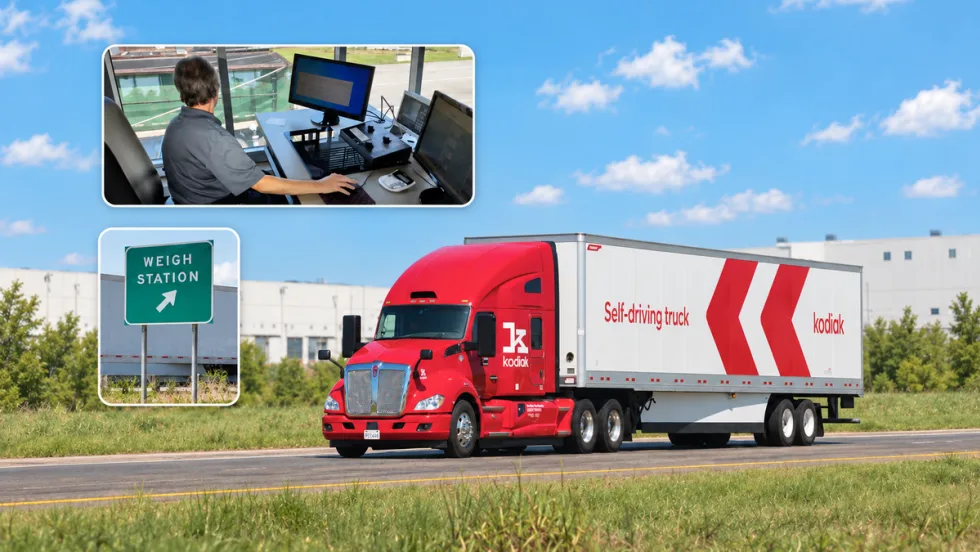
PrePass, Kodiak Connect Driverless Trucks to Roadside Enforcement
The system will allow enforcement agencies to verify Enhanced Inspection information and decide whether Kodiak’s autonomous trucks can bypass roadside screening sites.
Read More →
From One Generation to the Next: How Mentorship Builds Safer Truck Drivers
After three decades in trucking, Harold Perry shares what he's learned about driver safety, mentorship, and helping the next generation build confidence behind the wheel.
Read More →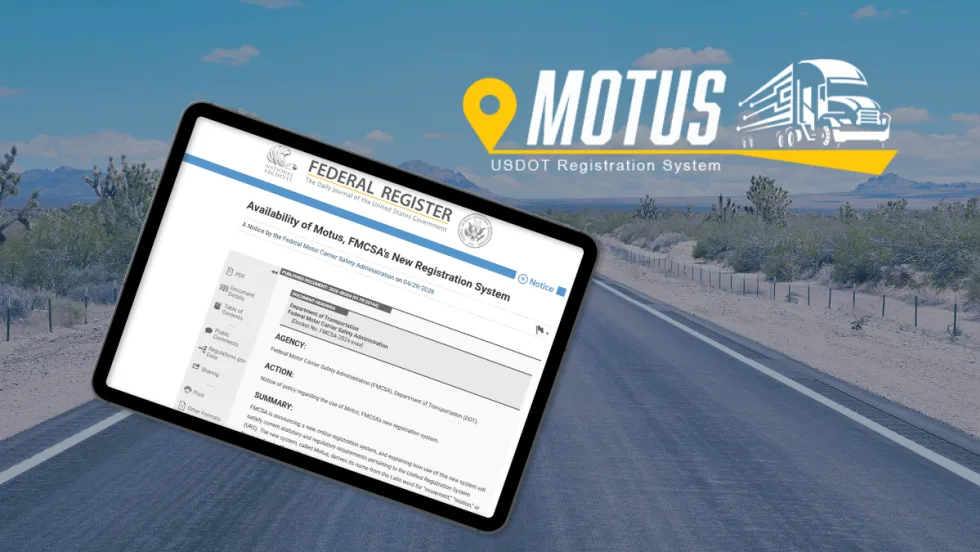
FMCSA Pauses Biennial-Update Enforcement Amid Motus Transition
Carriers whose updates were due on or after June 1 have more time, while FMCSA works to stabilize its new registration system and warns of phishing sites impersonating its new carrier registration system, Motus.
Read More →