




Study Finds Total Cost of Ownership Similar for Electric and Diesel Delivery Trucks
A research team from Georgia Tech compared medium-duty electric and diesel urban delivery trucks for a range of scenarios and discovered the total costs of ownership were very similar – but the cost-competitiveness of the electric truck drops in drive cycles with higher average speed.
A research team from Georgia Tech compared medium-duty electric and diesel urban delivery trucks for a range of scenarios and discovered the total costs of ownership were very similar – but the cost-competitiveness of the electric truck drops in drive cycles with higher average speed.
Researchers tested a 2011 Smith Newton model with GVW of 7,490 pounds, curb weight of 4,260 lbs. and payload of 3,230 lbs. The truck was powered by a 120 kW electric motor traveling an average of 31 miles per day at an average speed of 32 mph while making an average of 1.7 stops per kilometer.
That was compared with a 2006 Freightliner package delivery truck with a Cummins engine with a GVW of 7,260 pounds, curb weight of 4,400 pounds and payload of 2,860 pounds. It traveled 41 miles daily at an average speed of 32 mph making 1.9 stops per kilometer.
Overall, researchers found the life-cycle energy use and greenhouse gas emissions of the electric truck are lower than that of the diesel truck, particularly for the frequent stop and low average speed drive cycles such as would be found delivering in New York City. Over an array of possible conditions, the median total cost of ownership of electric trucks is 22% less than that of diesel trucks on the New York City cycle.
On that NYC cycle, electric trucks emit 42% to 61% less GHGs and consume 32% to 54% less energy than diesel trucks, depending on vehicle efficiency.
For a drive cycle with less frequent stops and high average speed, such as the City–Suburban Heavy Vehicle Cycle used in the study, electric trucks emit 19% to 43% less GHGs and consume 5% to 34% less energy, but cost 1% more than diesel counterparts.
Battery replacement along with electrical generation figures will also greatly affect the relative TCO of the electric truck, researchers said.
To maximize the benefits from electric trucks, the durability and reliability of the automotive Li-ion battery are crucial, which might be advanced with technological development, note the study authors. Recycling of the EV Li-ion battery could also improve life-cycle energy consumption and GHG emissions.
The Georgia Tech team consisted of Dong-Yeon Lee, Civil and Environmental Engineering Ph.D. student, Valerie Thomas, Anderson Interface Associate Professor of Natural Systems in the Stewart School of Industrial & Systems Engineering, and Marilyn Brown, professor in the School of Public Policy. The study is published in the ACS journal Environmental Science & Technology.
The full study can be purchased here for $35 for 48 hour access.
More Fuel Smarts

How GP Transco Builds Fuel Savings a Fraction at a Time
Aerodynamic specs, solar panels, and driver incentives help GP Transco turn small efficiency gains into savings it can reinvest in its people.
Read More →
Trucking’s Diesel Squeeze Isn’t Letting Up
With diesel topping $6 a gallon nationally, ATA's Bob Costello explains why fleets should prepare for continued pressure at the pump.
Read More →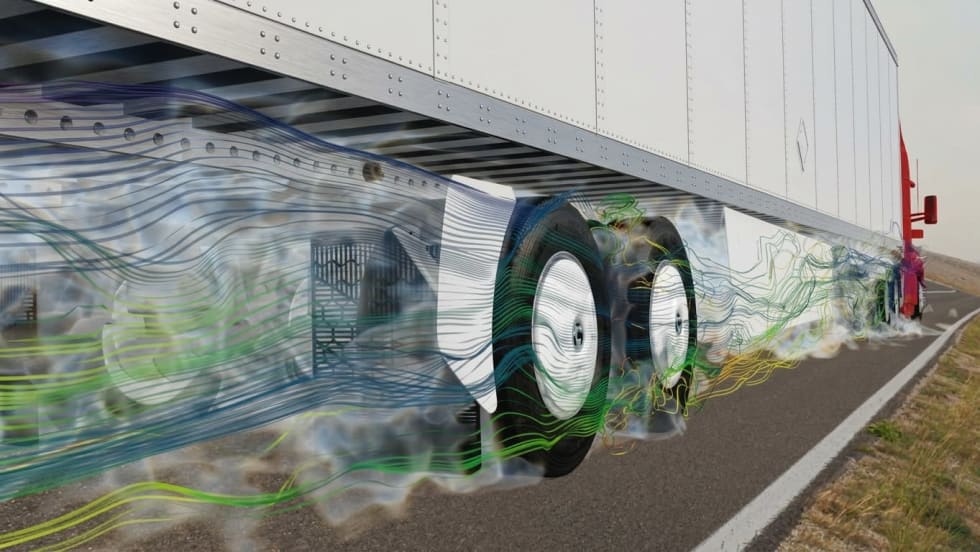
FlowBelow Redesigns Trailer AeroSlider to Cut Fuel Use
The lighter trailer aerodynamic system installs in less than 45 minutes, according to the company, with potential payback in under a year depending on fuel prices and trailer mileage.
Read More →
Why Diesel Price Relief Efforts May Fall Short
Diesel prices have eased from September’s record high, but doubts about additional Russian supply and limits on dyed-diesel tax relief mean trucking fleets still face expensive fuel. And prices could go higher.
Read More →
Why Small Fuel Savings Matter in Trucking
Can better fuel economy help pay for driver raises? In this podcast, GP Transco explains how small efficiency gains create room to reinvest in its people.
Read More →
How GP Transco Cuts Trucking Fuel Costs, a Tenth of a Gallon at a Time
What’s another tenth of a mile per gallon worth? GP Transco shares how equipment upgrades and driver coaching turn small gains into meaningful fuel savings.
Read More →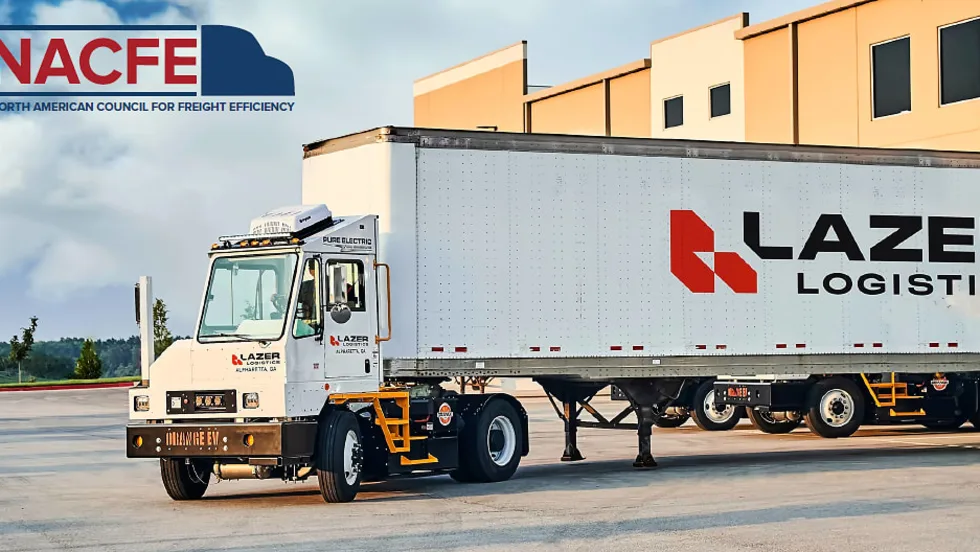
Electric Yard Tractors Move Beyond Pilots
Operating-cost savings have overtaken sustainability goals as the leading reason surveyed fleets are adopting battery-electric terminal tractors, according to new NACFE research.
Read More →
Geotab Links Fleet Card to Vehicle Data
The new card combines fuel discounts with telematics-based purchase controls. Geotab’s analysis also points to potential savings from choosing lower-priced fuel stops.
Read More →
Fleet Economics Shape Electric Truck Outlook
ACT Research expects costs, charging infrastructure, and technology improvements to drive zero-emission commercial vehicle adoption as federal regulations and incentives retreat.
Read More →
Wex Adds Cardless Fuel Payments for Over-the-Road Customers
A new fuel card feature for Wex customers offers convenience and security.
Read More →