




How Much is Your Trucking Company Really Worth?
Business valuations are often mythical, based upon hearsay or rumors of the most recent sale in the industry. To learn more about their company’s worth, many business owners get a professional business valuation, but these are less important than you might think.
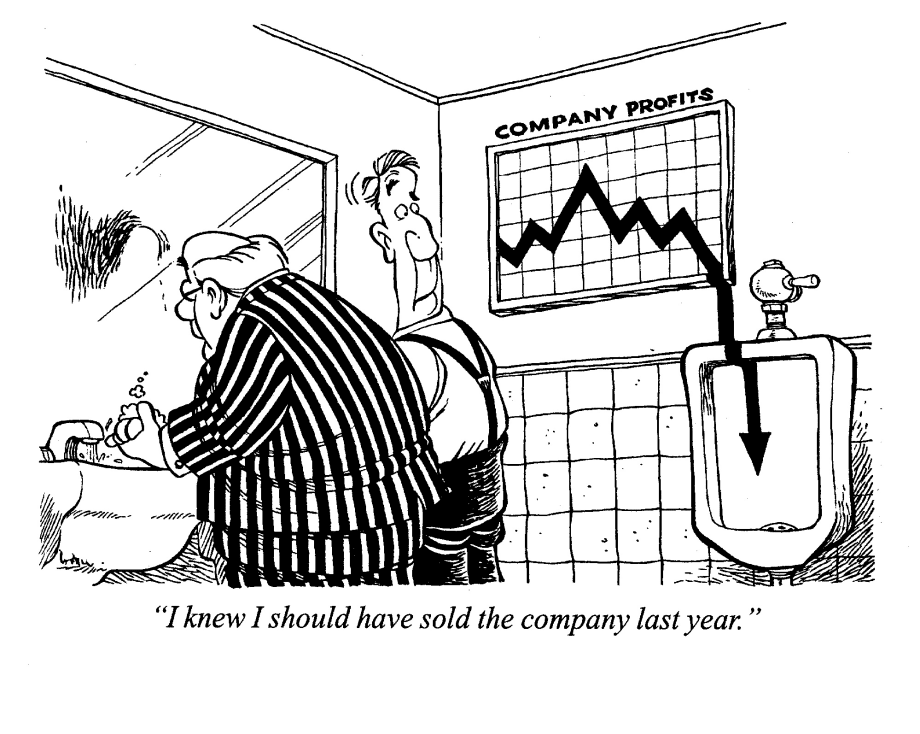
Business valuations are often mythical, based upon hearsay or rumors of the most recent sale in the industry. To learn more about their company’s worth, many business owners get a professional business valuation, but these are less important than you might think.
A valuation is just a snapshot of a company’s value, based on its financial statements, at a specific point in time. Valuations can change quickly and dramatically based upon changes in the economy, the industry, technology, the owner’s health, and the market for the product or service being provided.
The bottom line is that your company is worth what a specific buyer in the open market is willing to pay for it.
Business valuation services – are they worth the cost?
There are companies who provide business valuation services. Independent business appraisers and financial analysts actively sell their valuation services, and if needed, they can be very useful. However, you should always check their qualifications.
Each of the three major United States valuation societies — the American Society of Appraisers, American Institute of Certified Public Accountants, and the National Association of Certified Valuation Analysts — has its own set of Business Valuation Standards, which it requires all of its accredited members to adhere to.
There are also firms that conduct seminars on how to value your business. Some of these promise to help sell your company after the seminar. These seminars are expensive, and the main objective is to charge the business owner for the valuation. Ultimately they sell very few businesses, because they make more money doing valuations.
When is a professional valuation useful?
A well done business valuation can cost from $30,000 to $50,000, so before you spring for one, make sure you understand what the purpose of the valuation is. There are times when a valuation is necessary and valuable:
When the owner does estate planning
When one owner wants to buy out another
When family members wish to be bought out
When assets must be redistributed such as during a divorce
When securing loans from a bank or other lender
But when you’re thinking about selling your company, a valuation may not be the most reliable indicator of what you can get in the marketplace. The best way to optimize the price you get for your company is to select a firm to represent the company in its sale, and they will work with you to determine the value of your company based upon the most important factors valued by buyers.
What determines company value?
1. Timing
In some industries, values can change dramatically in a very short period of time. For example, some tech companies have been valued in the billions, only to sell for a fraction of that a few months later due to changes in technology, the marketplace, etc. Products, programs and services change with the needs and demands of the times. A valuation done 6 months ago may be worthless today.
2. The marketplace is king!
The market for your business changes almost daily. New competitors coming into the market impact the value of your business. If you develop new technology or new technology replaces your services the value of your company changes. The market drives company values.
Therefore, buyers pay little attention to a valuation purchased from an independent appraiser. They will do their own due diligence and determine what they are willing to pay for the company, based on their own criteria. Most purchased valuations do not take into account the ever changing marketplace. An uneducated seller, acting alone, is at the mercy of buyers, because normally, they have not calculated the impact of the marketplace. This results in both unrealistic valuations on both the positive and negative sides of company value.
3. Buyers determine value based upon their own needs
Different buyers look at the same company differently. Strategic buyers may see more value in a company that fits into a growth strategy. Strategic buyers also bring leverage from economies of scale, established sales teams, customer relationships, and distribution channels. For example, a European company looking to expand in the U.S. may be willing to pay a premium for the right company.
Financial buyers, such as private equity groups, target companies with the most potential to generate a high ROI for their investors. Therefore, their target companies must meet specific fund criteria. [jjl1] They may offer more for a company that “fits” their perfect target criteria, because they know the industry and have more experience in successfully managing companies in that industry.
4. The auction process yields the best results
An auction process in the market can also increase company valuation. When a company is represented by a well-known, experienced investment banker, buyers know they are working with a firm that has done research to determine the market value of the company.
The final price will also be influenced by the marketing process used, which brings several buyers to the table and forces them to compete on price, concessions, and deal structure. Managing the process, controlling buyers and putting them in an auction-style scenario secures a premium price. The business valuation has nothing to do with the final price paid for the company. As an owner, your objective should be to secure the best price and terms that ideally meet your personal objectives. The auction process, managed by an investment banker, ensures you maximize your value in the market.
Prepare now to improve your valuation opportunity
The value of your company will be driven by the market and by the avenue you select to promote the sale to potential buyers. However, before you begin the valuation process, it is important to prepare your company for sale. This is more than just mowing the front yard or painting the building. Ensure that you have clean, audited financial statements. Eliminate any legal issues that may be lingering in the background. Address any environmental issues that exist and ensure you have a solid team in place that will be attractive to potential buyers. Then you will be in the best position to sell your trucking company at the time you want, for the best possible price.
Chris Parisi is managing director of Dallas-based Allegiance Capital Corp., a M&A investment bank dedicated to private middle market businesses.
More Fleet Management

How Telematics Improves Visibility, Control, and Performance in Refrigerated Fleets
Explore how telematics help refrigerated fleets improve visibility, uptime, efficiency, compliance, and cargo protection across connected cold chain operations.
Read More →
What the U.S.-Canada Trade War Means for Trucking
Escalating U.S.-Canada tariffs could disrupt cross-border freight, reduce truck volumes, raise costs, and create new uncertainty for carriers on both sides of the border.
Read More →
What Are Trucking’s Top Concerns for 2026?
The American Transportation Research Institute wants to know what's worrying trucking fleet managers, drivers, and other stakeholders in its annual Industry Issues survey.
Read More →

American Trucking Associations Looks for a New Leader
ATA President and CEO Chris Spear abruptly left his job at the association on August 21, at a pivotal time for the trucking industry.
Read More →
Public Wi-Fi Cybersecurity Risks: How Truck Drivers and Fleets Can Protect Their Data
Public Wi-Fi can expose truck drivers and fleets to credential theft, malware, and other cyber threats. Here’s how to reduce the risk on the road.
Read More →
For Nicky Cupp, Fleet Innovation Starts With Frustration
HDT Truck Fleet Innovator Nicky Cupp turns everyday pain points at Fraley & Schilling into opportunities for better technology and smarter processes.
Read More →
Adam Buttgenbach’s Approach to Electric Trucks: Start With Where They Fit
HDT Truck Fleet Innovator Adam Buttgenbach helped PepsiCo build one of North America’s largest EV fleets by focusing on where electric trucks make operational sense.
Read More →
Deen Albert: Let Automation Do the Math, People Make the Decisions
HDT Truck Fleet Innovator Deen Albert makes sure people are still at the heart of operations at Grand Island Express, even while adopting artificial intelligence tools. AI-assisted dispatch helped boost revenue 25% with the same number of trucks.
Read More →
Trimble’s New AI Agent Takes Aim at Fleet Back-Office Busywork
Arc Agent works across Trimble TMS products to automate repetitive tasks such as freight orders, maintenance, invoices, fuel costs and more.
Read More →
How HDT’s 2026 Truck Fleet Innovators Are Rethinking Fleet Operations
Meet five trucking leaders who are challenging assumptions, solving operational problems, and putting innovative ideas to work.
Read More →