




Top Mobile Computing Trends
The new hours of service regulations have gone into effect, but they are only part of the challenges and opportunities faced by fleets. Adam Kahn, director of product marketing at Omnitracs, took a deeper look at emerging fleet management and mobile computing trends, and provided insight on how fleets can best use technology to stay on top of the changing industry.
The new hours of service regulations have gone into effect, but they are only part of the challenges and opportunities faced by fleets. Adam Kahn, director of product marketing at Omnitracs, took a deeper look at emerging fleet management and mobile computing trends, and provided insight on how fleets can best use this technology to stay on top of the changing industry.
Outlined in a five-part blog series, Kahn shared his thoughts on compliance, data, vehicle safety, optimizing resources and managing driver behavior:
1. Compliance
Managing compliance and CSA scores are quickly becoming crucial ingredients to a business’ success and the new HOS rules are compounding the challenge. Whether positive or negative, having access to actionable data on CSA scores will help all fleets improve their operation.
CSA scores and HOS compliance is becoming increasingly important, as shippers now correlate scores with potential liability issues. The availability of instant data via mobile solutions is helping companies take control of their CSA scores.
2: Data
New mobile applications, which are now delivered via cloud, are giving fleets access to data they’ve never had before — from fuel levels, to driver safety behaviors, weather and traffic conditions and even real-time trailer connect/disconnect event. Fleet managers now have the ability to make better business decisions based on actionable intelligence from the field.
The bring-your-own-device (BYOD) trend has influenced nearly every major business market, with consumers bringing and using their personal devices at work, and the trucking industry is no exception. New mobile applications, which are now delivered via the cloud, are giving fleets access to data they’ve never had before— from fuel levels, to driver safety behaviors, weather and traffic conditions, and even real-time trailer connect/disconnect events.
3: Vehicle Safety
Research indicated that just 10% of truck drivers are responsible for a whopping 40% of all accidents involving commercial trucks. The FMCSA is placing a renewed focus on removing unsafe fleets from the roads, and exploring new driver and vehicle best practices and guidelines to improve safety.
By helping more proactively monitor and address vehicle maintenance and driver behavior, the latest fleet management technology helps fleets get ahead of new safety mandates.
For example, automated vehicle inspection reports have been shown to reduce inspection errors and help drivers focus on FMSCA-mandated safety requirements.
4. Optimizing Resources
Regardless of the type of restrictions fleets face, advanced mobile technology is helping organizations of all sizes further optimize their operations through improved asset utilization and enhanced communications across a larger carrier network — resulting in increased productivity and profitability, and mutually beneficial outcomes.
Fuel is the highest uncontrollable cost affecting carrier profitability—taking as much as 30 percent of a carrier’s revenue. For this reason, I expect to see fuel management play a more significant role in route planning, vehicle selection and shipping lane assignments in the coming years. We’re already seeing some carriers make great strides in managing trip costs by implementing on-board mobile technology that gives them visibility into starting fuel levels, and helps them determine when and where to purchase fuel based on nationwide pricing and negotiated network discounts.
5. Managing Driver Behavior
Driver health and wellness are major issues currently facing the transportation industry. Recently, the Large Truck Crash Causation study reported that 13% of commercial motor vehicle drivers involved in accidents were considered to have been fatigued at the time of the crash. As these concerns continue to make their way inside the cab, fleets will be exploring new ways to leverage mobile technology to monitor and manage driver behavior to ensure healthy and safe working environment.
For example, more fleets are turning to mobile computing technology that intelligently presents critical information to help minimize driver distractions in the cab, with the aim of keeping drivers safe on the road and encouraging good driving behavior. Text-to-speech capability and screen blanking features are among the technologies that can help enhance driver safety.
Read more about these and other topics on Adam Kahn's blog.
More Fleet Management
Where Electric Trucks Can Charge Now
New depots and truck-stop chargers gave electric trucks more places to plug in in 2026. Here’s where fleets can charge today, how megawatt charging works, and which freight routes to watch in 2027.
 Discuss with peers

Truck Tonnage Slips, Carrier Outlook Improves
For-hire truck tonnage fell 1.8% in October but was higher than a year earlier, and FTR raised its outlook for carriers for at least the next three quarters.

New Independent Contractor Rule Gives Trucking More Clarity
The Labor Department is once again changing how it determines who's an independent contractor. This time, the rule includes specific examples addressing trucking safety requirements, CDLs, and lease-purchase agreements.
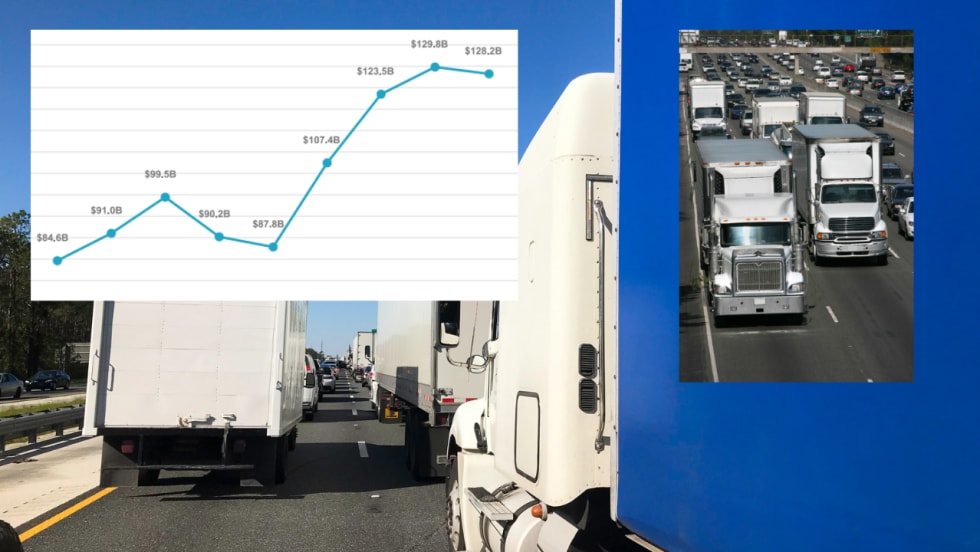
Trucking's Annual Congestion Costs Reach $128.2 Billion
That's the average cost, according to new ATRI research. And the wasted time and diesel are staggering.

How to Modernize Your TMS Without Replacing It [Podcast]
Before investing in a new transportation management system, take a closer look at what you've already got. AI, cloud technology and better integrations may offer ways to improve your trucking operations without starting over.

Could Your Truck's Connected Devices Be a Cybersecurity Risk?
ELDs, telematics systems and driver tablets help fleets operate more efficiently. But every connected device needs protection against cyberattacks.
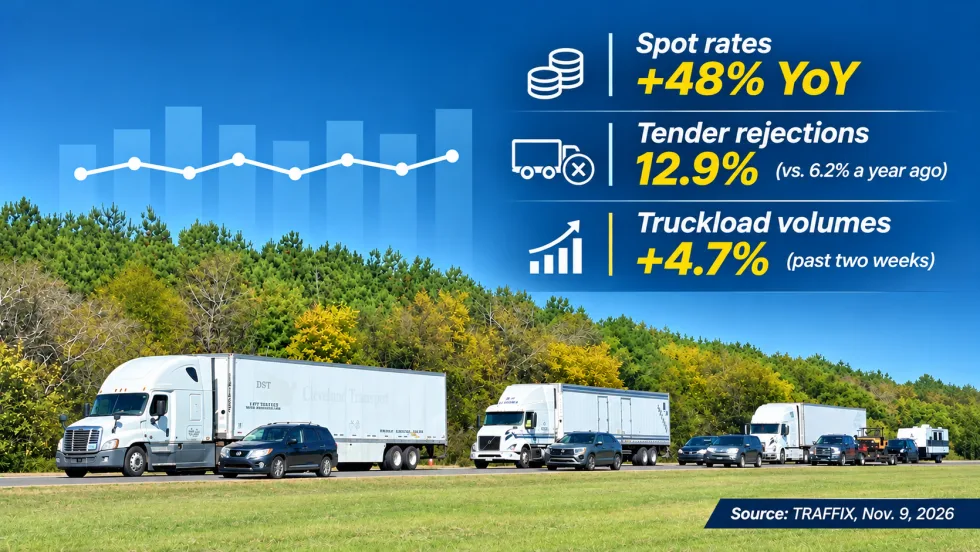
Holiday Freight Meets a Tight Trucking Market
There's no freight boom, but truckload carriers are finding themselves in a stronger position to negotiate rates. And holiday shipping demand could tighten the market further.
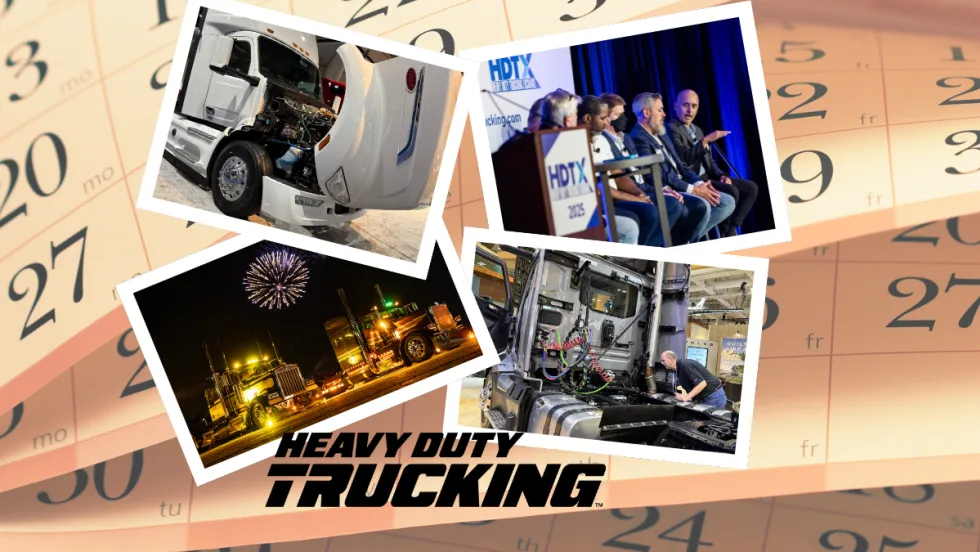
What Trucking Events are Happening in 2027?
Looking for trucking-related conventions, expos, and other events? Heavy Duty Trucking has developed this list of national and larger regional trucking shows and events.
Does Your Trucking Fleet Need a New TMS?
Artificial intelligence and better integrations promise less busywork and more useful data. Can your TMS help your company solve problems? Do you need additional vendors or an upgrade? Or is it time to look for a new platform?
Fleet Costs Shape ACT Expo 2027 Agenda
With diesel prices high and operating expenses under pressure, ACT Expo's 2027 agenda emphasizes fuel efficiency, AI, safety and the return on fleet technology investments.