




Why GHG Phase 2 May Mean More Electric Vehicles
Battery-electric vehicles may be just the ticket for truck makers looking to meet Phase 2 of greenhouse gas emissions requirements in the medium-duty truck sector.

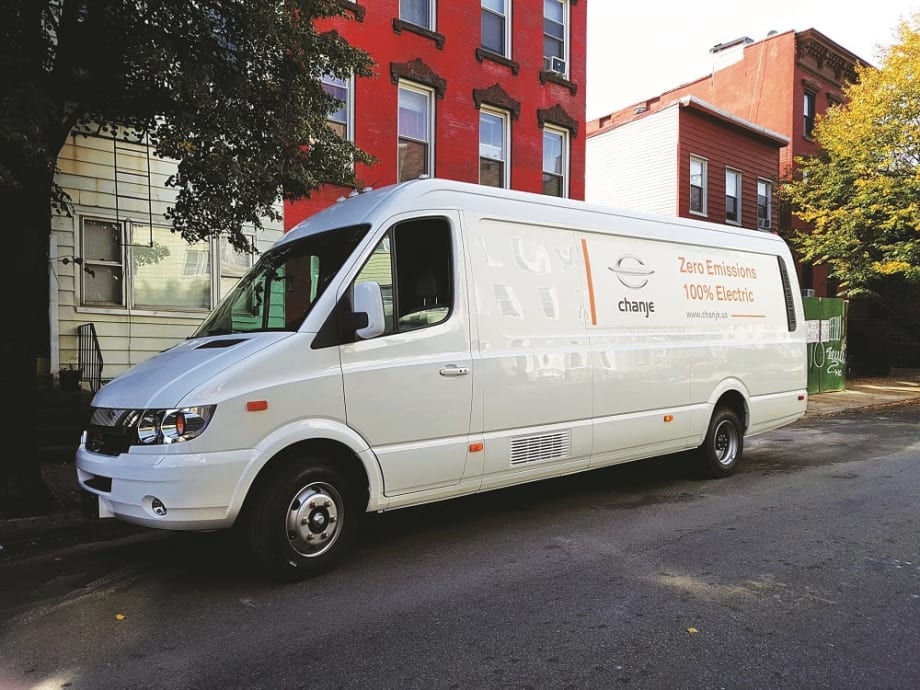
Battery electric vehicles offer GHG credit multipliers and will help OEMs offset vehicles with diesel engines, especially in the medium-duty and vocational domains.
Photo: Jim Park
The stars seem to be aligning for a significant rollout of battery-electric vehicles in the 2021 model year, the first year of the truck/tractor portion of Phase 2 of the greenhouse gas emissions regulations. And that spells an opportunity for truck makers.
Several truck makers have suggested that meeting GHG Phase 2 requirements for medium-duty and vocational vehicles will be more challenging than for on-highway vehicles. And that makes BEVs ideal candidates to replace diesel engines in any number of segments where the technology suits the application.
The regulations that will apply to vocational and heavy-duty pickup trucks and vans call for reductions in CO2 and fuel consumption of 24% and 16%, respectively, by 2027. Through the magic of credits earned on more-efficient vehicles, they can turn to less-drastic measures at first to meet requirements for the more difficult cases.
“For every electric vehicle an OEM puts into the medium-duty domain, there is a multiplier that can offset, I believe, up to five diesel trucks [the rule says 4.5],” says Darren Gosbee, vice president of engineering at Navistar. “It will be advantageous to an OEM to have electric vehicles in their portfolio. It’s a very good route to corporate averaging.”
Being smart about BEVs
The National Renewable Energy Laboratories did a comparison study in 2016 of PepsiCo’s Frito-Lay North Americas diesel and electric vehicles operating in the Seattle area. NREL found that average daily driving time for both electric and diesel units was just 1.5 hours, with most of the electric vehicles running less than 45 miles per day and consuming significantly less (55 kWh) than the battery’s 80 kWh capacity.
Details of this study were described in the recently released guidance report from the North American Council for Freight Efficiency, Electric Trucks: Where They Make Sense. NREL said that fleets using such vehicles could gain additional efficiency by matching routes to the vehicle’s capabilities. “The new technology may permit rethinking operations to better tune them to the capabilities of the BEVs, rather than forcing the BEVs to duplicate the diesel duty cycles,” NACFE noted.
It’s easy to see where BEVs can make sense for highly sophisticated fleets like PepsiCo or UPS. But a large chunk of the heavy-duty pickup truck and van market are not truckers at all, but bakers, plumbers, and sales people who use their trucks as tools. They will have a much higher degree of range anxiety, and therefore a greater reluctance to embrace BEVs. To that end, Isuzu is planning an evaluation project in the next year that will see five trucks placed into customers’ hands in five different parts of the country to see how they measure up to real-world situations.
“We want to see if our testing translates to the real-world experience, where people drive their trucks like they stole them,” says Brian Tabel, executive director of marketing for Isuzu Commercial Truck of America. “Assuming the trucks meet that challenge, the next hurdle to wide adoption will be infrastructure, and today’s grid isn’t ready for that demand.”
Related: How GHG Phase 2 Will Change the Way You Spec Trucks
More Fuel Smarts

How Volvo Updated Its D13 for EPA 2027 [Watch]
Volvo’s updated D13 promises lower emissions without sacrificing performance or fuel economy. Take a closer look at what changed inside the engine in this HDT Spotlight video.
Read More →
Diesel Price Spike Shortens Payback for Natural Gas Trucks, Report Says
Energy Vision estimates fleets could recover the higher purchase price of an RNG-fueled Class 8 tractor in 1.3 to 2.8 years under current fuel-price scenarios.
Read More →
Calstart Becomes Catalyst Mobility, Reflecting Broader Focus
Calstart is now Catalyst Mobility, reflecting the nonprofit’s growing national role in clean transportation, including zero-emission trucks, infrastructure and incentive programs.
Read More →

Record Diesel Prices Squeeze Trucking Fleets
Average U.S. diesel prices have climbed to nearly $6 a gallon, surpassing the 2022 record as tight refinery capacity and Middle East disruptions keep fuel costs elevated.
Read More →
How Fuel Delivery Shapes Engine Performance
Fuel delivery depends on more than what happens at the injector. For fleet, maintenance and technical professionals, looking at the full path from pump to injector can provide useful context for understanding engine performance.
Read More →
East Coast Port Launches $45M Electric Truck Push
The Port Authority of New York and New Jersey announced millions in incentives for zero-emission drayage trucks, yard tractors, and new charging hubs near the port.
Read More →
California Bill Could Shed Light on Electric Truck Prices
Why do battery-electric Class 8 trucks remain so expensive? A California bill headed to Gov. Gavin Newsom would give fleets and state agencies more visibility into what manufacturers charge.
Read More →
Detroit Opens Orders for EPA 2027 Engines
Detroit isn’t starting from scratch to meet EPA 2027 diesel emissions standards. Its Gen 6 DD13 and DD15 engines keep much of today’s platform while updating the fuel and aftertreatment systems.
Read More →
Zero-Emission Truck Corridor Planned for West Coast
California, Oregon, Washington, British Columbia and Baja California are coordinating plans for truck charging and hydrogen fueling from Canada to Mexico.
Read More →
A Closer Look at Kenworth’s Electric T880E Vocational Truck [Video]
Learn more about Kenworth's T880E battery-electric vocational truck at the Paccar Technical Center, including its range, applications, upfitting considerations, and PTO options, in this HDT Spotlight video.
Read More →