




Volvo Sees Promising Future for Bio-DME as a Vehicle Fuel
Volvo's European Bio-DME project, which aims to assess whether there is a market for Bio-DME (Di-Methyl-Ether) for commercial vehicles, shows promise, the company says
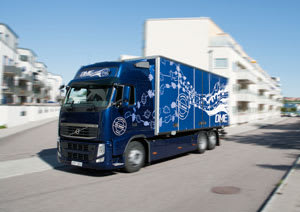
Ten Volvo Bio-DME (Di-Methyl-Ether) trucks have now been in regular operation since last autumn.
Volvo's European Bio-DME project, which aims to assess whether there is a market for Bio-DME (Di-Methyl-Ether) for commercial vehicles, shows promise, the company says.
Halfway through the two-year project, the preliminary results show that Bio-DME already functions in daily commercial operations. If Bio-DME were to replace diesel, Volvo says, it would CO2 emissions by 95%.
Together with a number of partners including Bio-DME producer Chemrec and fuel distributor Preem, Volvo has developed a transport system that encompasses the entire chain from production and distribution of Bio-DME to operation in Volvo trucks in a number of haulage firms.
Ten Volvo Bio-DME trucks have now been in regular operation since last autumn. The first of the 10 trucks has already broken 62,500 miles, and the trucks have covered almost 250,000 miles.
"This is the first time Bio-DME is being used as a vehicle fuel on a large scale, and following the first evaluation of the field test we can see that the Bio-DME trucks function very well on the road, way exceeding our expectations," says Per Salomonsson, project manager of alternative fuels at Volvo. "The technology is reliable and the entire process is characterized by energy efficiency, from production and distribution all the way to the vehicles themselves."
PostNord and DHL are two of the haulage firms that are participating in the project. Both aim to drastically cut their CO2 emissions by 2020, and for both these companies participation in the field test was a natural move.
"Our drivers are very pleased," says Henrik Boding, environmental affairs manager for the Logistics business area at PostNord. "They report that it is at least as easy to run on Bio-DME as it is on conventional diesel fuel. This is an entirely new technology, but we have nevertheless experienced very few technical problems and, what is more, the trucks run much more quietly with Bio-DME in the tank."
Preem has established the four refueling stations in Sweden, in Stockholm, Goteborg, Jonkoping and Pitea, to ensure that the trucks can run in regular commercial operations.
The biofuel in this project is made from black liquor, a byproduct of pulp production, at the Chemrec gasification plant in Pitea. The production system works smoothly and the possibility of delivering the fuel on a large scale depends to a considerable extent on the incentives available for renewable fuels.
"Bio-DME can also be made from other renewable raw materials, and we feel this is a vehicle fuel with a great future," says Per Salomonsson. "We've developed technology that makes it possible to use the fuel in commercial operations. The biggest challenge in the future is to establish a market and an infrastructure for a new vehicle fuel, and this requires investment. Here society's decision-makers play an important role in creating the essential preconditions by taking long-term decisions and developing incentives."
The field test will continue until the end of the year, followed by an evaluation to chart the viability of a future market for Bio-DME.
The other haulage firms participating in the study are J-Trans, Broderna Lindqvist Akeri, BDX Foretagen AB, and Ragn-Sells.
The Swedish Energy Agency and the EU's Seventh Framework Programme support the project. In addition to Volvo Trucks, Chemrec and Preem, the other participants in the project are Delphi, ETC, Haldor Topsoe and Total.
More Fuel Smarts
Lessons Learned About Alternative Fuels: Start Small, Stay Flexible
Practical advice on adopting alternative fuels and ZEVs from HDT's 2026 Top Green Fleets, from renewable diesel and natural gas to electric trucks.
Read More →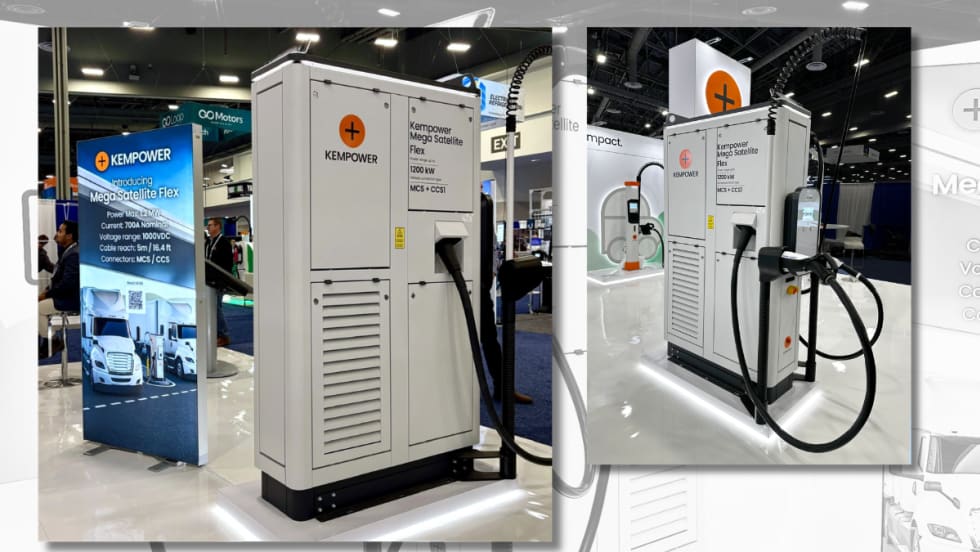
Kempower Adds Flex EV Charger to Help Support Transition to Megawatt Charging
The Kempower Mega Satellite Flex has both a CCS and MCS connector, allowing operators to serve both types of heavy-duty vehicles.
Read More →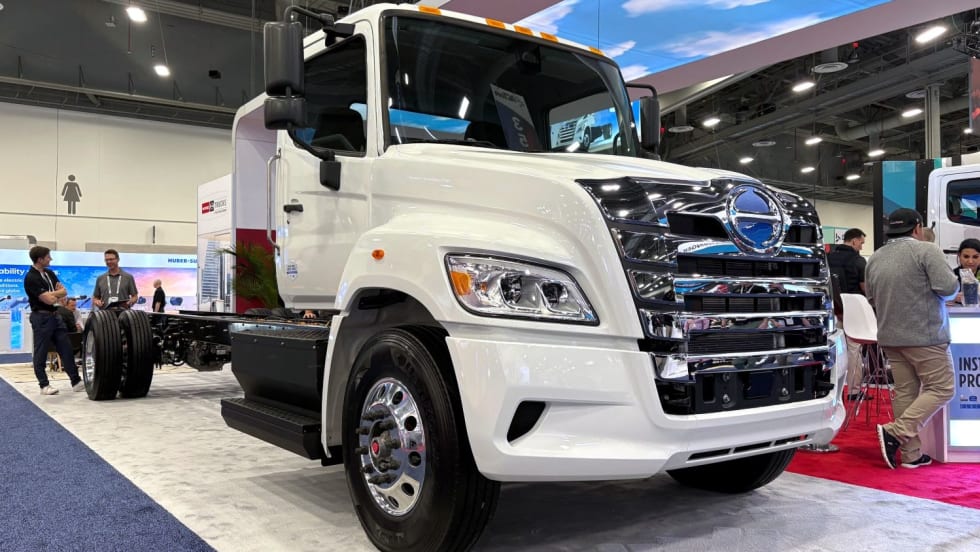
Hino Adds Electric Class 6/7 Truck
Hino says the Le Series is an important step in the company's efforts to reduce environmental impact and support its customers’ sustainability goals.
Read More →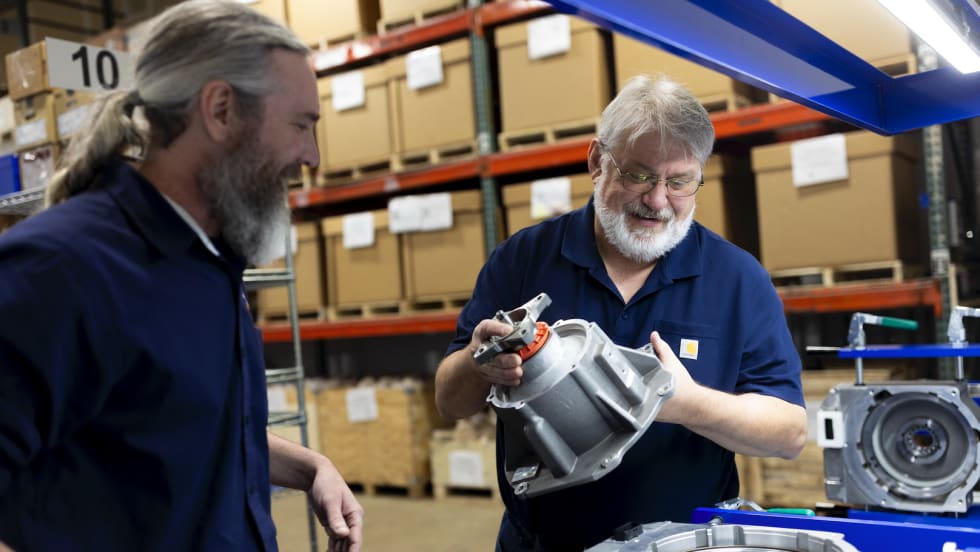
Can Multi-Speed EV Transmissions Solve Heavy Trucking’s Biggest Electric-Vehicle Problems?
A startup called Sigma Powertrain believes purpose-built multi-speed gearboxes can boost efficiency, reduce battery size and improve gradeability for heavy-duty battery-electric trucks.
Read More →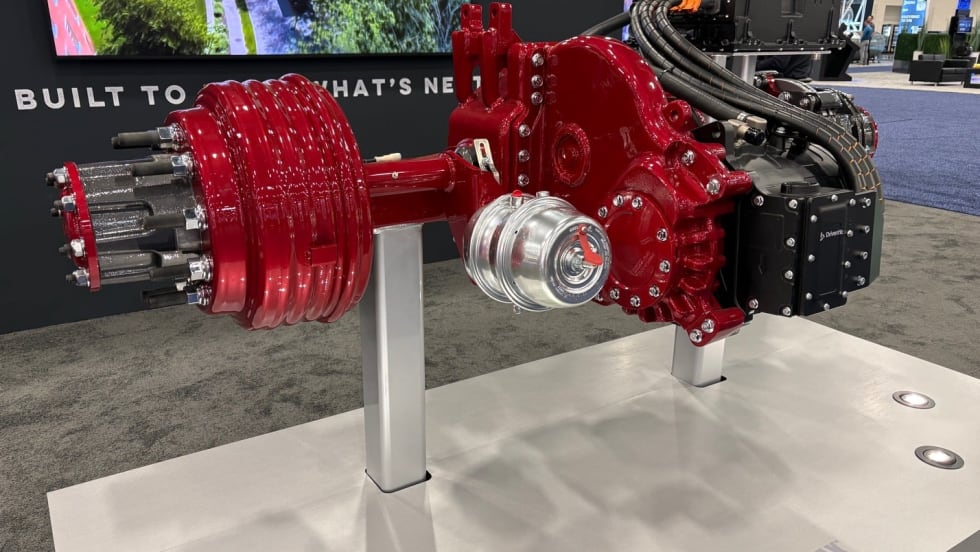
Hendrickson Debuts Electraax E-Axle for Medium-Duty Trucks
Developed with Driventic, Hendrickson's new integrated e-axle is designed to improve efficiency, reduce weight, and extend range in Class 6-7 EV applications.
Read More →
50 Ways Fleets Can Cut Fuel Costs Now — Without Buying New Trucks
Fuel savings don’t come from one big change. They come from dozens of small ones. Here’s how leading fleets are stacking gains across drivers, routing, maintenance, and more.
Read More →
Top Green Fleets 2026: How Fleets Are Reducing Emissions in the Real World
What works in sustainable trucking today? Heavy Duty Trucking's Top Green Fleets are finding practical ways to cut fuel use, reduce emissions, and keep freight moving.
Read More →
California Launching $1 Billion Electric Truck Rebate Program
CARB says the California Clean Fuel Reward program will begin offering point-of-sale rebates of up to $120,000 for electric commercial trucks starting June 26.
Read More →
Mack Unveils EPA 2027-Compliant MP13 Engine With More Power, Better Fuel Economy
Along with unveiling its EPA 2027-compliant MP13 engine, Mack outlined powertrain changes across its Class 6-8 lineup, including new Cummins-based X10 engines.
Read More →
How Volvo’s New D13 Engine Meets EPA 2027 Emissions Without Sacrificing Power or Fuel Efficiency
Volvo says advances in combustion and aftertreatment helped its new EPA 2027 D13 engine avoid the fuel-economy penalties many once expected from tighter NOx emissions limits.
Read More →