




Volvo Evaluating Range Of Renewable Fuels
Volvo has committed to a long-term program of evaluating seven renewable fuels made through five processes from nine feedstocks.

Volvo has a vision that diesel transportation can be powered by renewable fuels and thus be made carbon dioxide-neutral, so that it does not add to greenhouse gases, said CEO Leif Johansson.
Johansson, in Washington, D.C., for an international conference on renewable energy in March, said the need for CO2-neutral transport cannot be denied. Fossil fuels contribute to global warming, growing energy demand from emerging economies like China and India is increasing pressure on the crude oil market, and fossil fuels are a finite resource, he said.
"We recognize that the transport sector accounts for a significant proportion of the emissions that have adverse effects on our climate," he said. "We also recognize that we are part of the solution."
Developments in energy efficiency, hybrid technology and alternative fuels make it possible for diesels to become CO2 neutral - provided global interests undertake large-scale production and distribution of renewable fuels and governments develop uniform standards and regulations.
"Broad consensus at the highest levels is needed to ensure the successful development of CO2-neutral transport and assist in our endeavor to be part of the solution."
Volvo, for its part, has reduced energy consumption in its manufacturing processes. In North America for example, Volvo Trucks has reduced greenhouse gas emissions by 40 percent at its New River Valley plant in Dublin, Va., and by 50 percent at its Macungie, Pa., plant, Johansson said.
But the company also has committed to a long-term program of evaluating seven renewable fuels made through five processes from nine feedstocks.
The fuels are:
Biodiesel, made through esterification or hydrogenation from rapeseed, palm and soybean oil.
Ethanol, made through fermentation and hydrolysis from wheat, corn, sugar beet, straw, waste wood and energy crops.
Hydrogen, made through gasification from wheat, corn, sugar beet, straw, waste wood, energy crops and organic waste.
Dimethylether, made through gasification from the same feedstocks as hydrogen.
Methanol, made through gasification from the same feedstocks as hydrogen.
Synthetic diesel or renewable diesel, made through gasification from the same feedstocks as hydrogen.
Biogas, made through gasification from the same feedstocks as hydrogen, or through anaerobic digestion from organic waste, sewage or manure.
Each of these fuels has strengths and weaknesses with respect to energy content, emissions, engineering requirements, availability and cost, but collectively they offer great potential for reduced emissions, said Anthony Greszler, vice president of Advanced Engineering for Volvo Powertrain North America. In the near term, a blend of biofuels with ordinary diesel remains the best opportunity, but the next generation of biofuels made through biomass gasification holds promise, Greszler said.
In addition, Volvo has an active hybrid driveline program, including an electric turbocompound system for long-haul applications. In this system, the electric power generated by the hybrid motor is stored for hotel functions to reduce idling, rather than for propulsion on the highway.
More Fleet Management
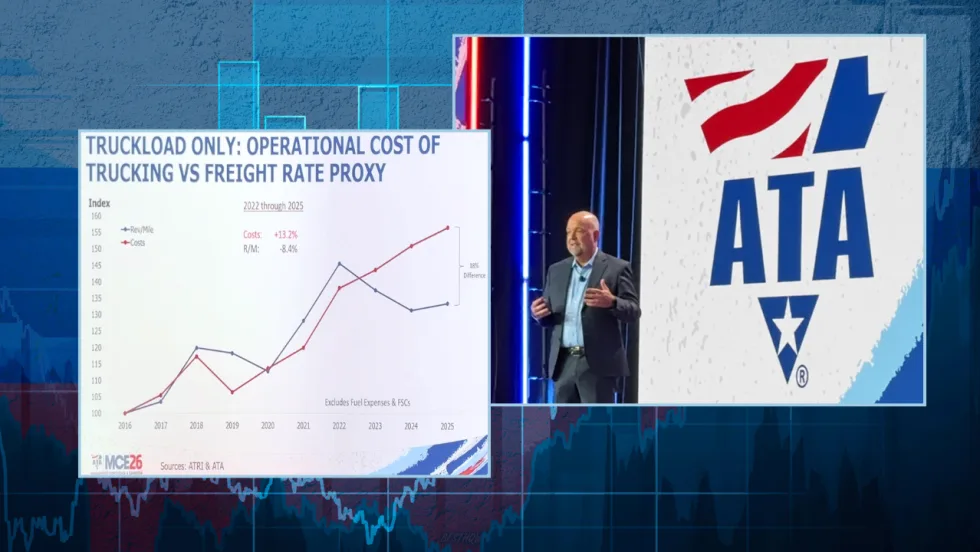
Why This Trucking Recovery Is Different
Freight demand remains sluggish, but rising costs and tougher enforcement have taken enough capacity out of the market to change the outlook for motor carriers.
Read More →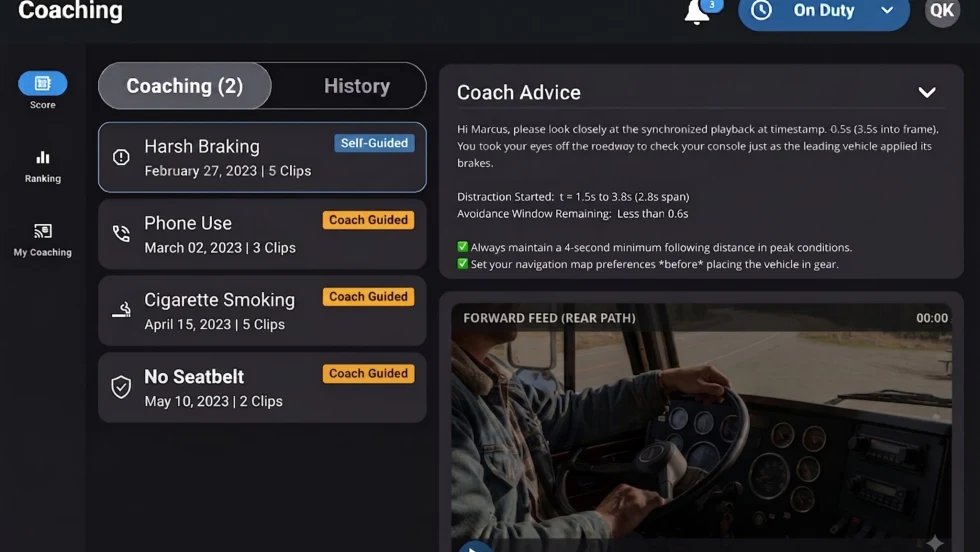
Platform Science Adds Dispatch and Safety Tools
Four additions to PS Fleet help fleets monitor loads, manage driver coaching, share truck locations and adjust video system settings.
Read More →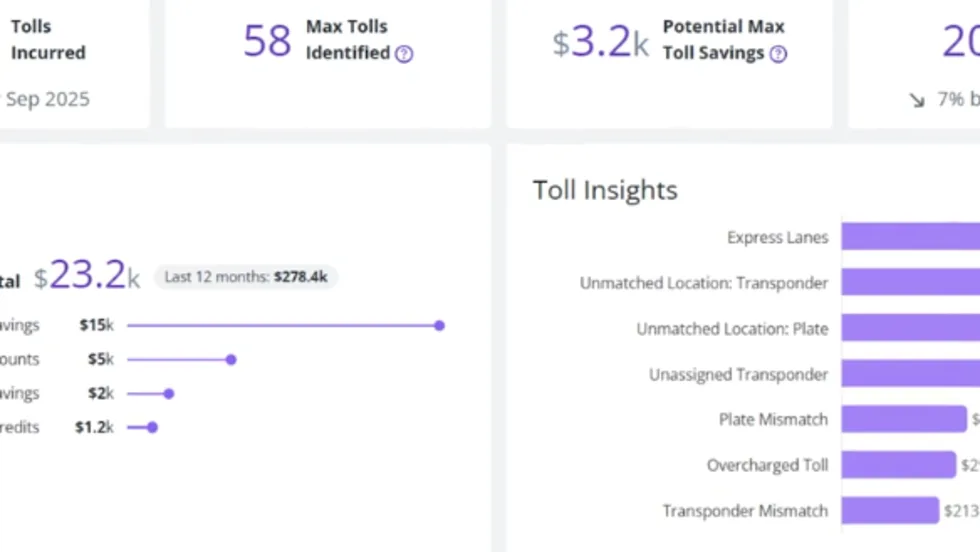
PrePass Intelligence Mines Fleet Bypass, Toll and Safety Data
PrePass Intelligence helps fleets measure bypass savings, flag potential toll overcharges, and spot suspicious transactions by combining data from separate systems.
Read More →
Motive Adds AI Agents for Fleet Operations
New tools automate follow-up on fleet data, from maintenance work orders to driver alerts, with two-way voice conversations planned for later this year.
Read More →
Can You Beat Our Trucking Trivia Challenge?
Test your truck knowledge with 19 trivia questions from Heavy Duty Trucking Exchange. Can you keep up with the fleet pros?
Read More →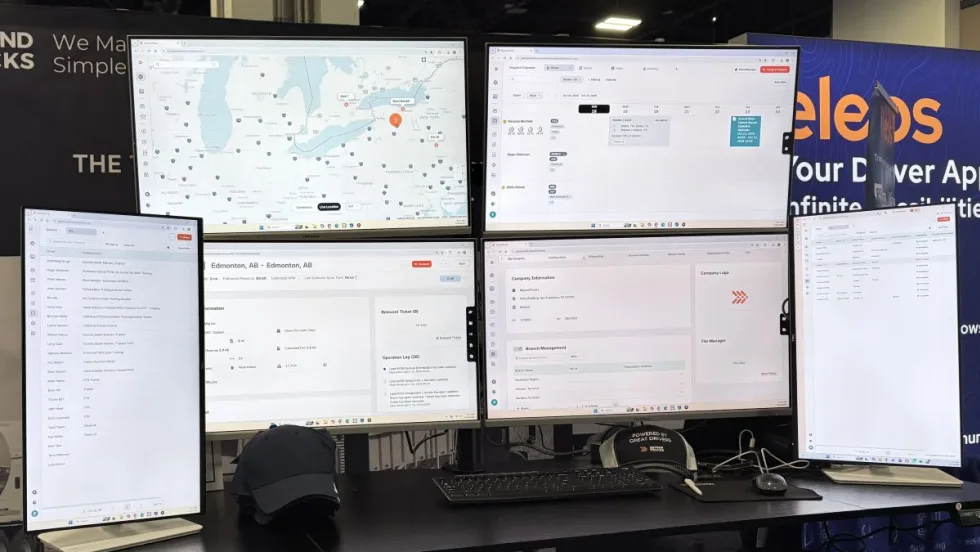
BeyondTrucks Adds Rules Checks to Dispatch
New Compatibility Engine checks driver qualifications, equipment requirements and fleet policies before loads are dispatched.
Read More →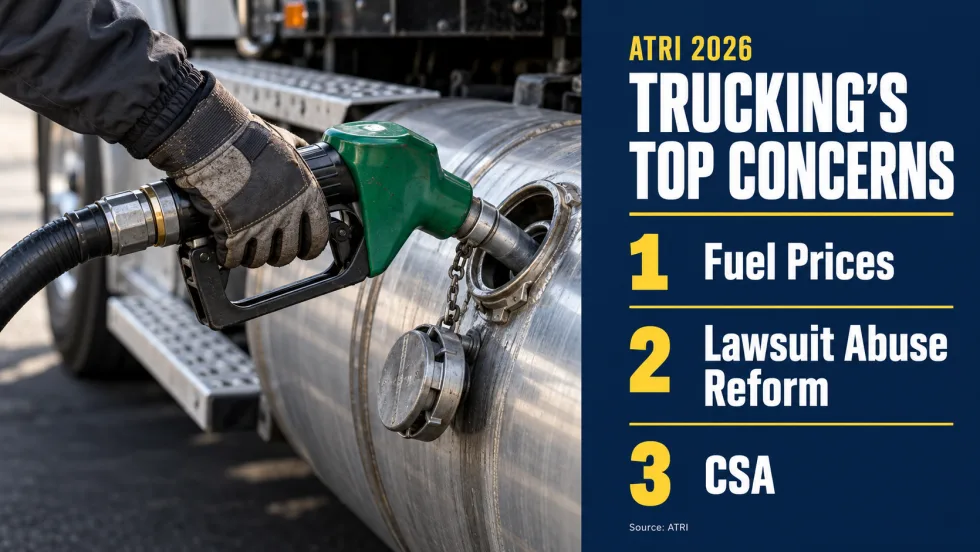
Diesel Prices Hijack Trucking’s Worry List
ATRI’s annual survey finds cautious optimism about freight, but diesel costs, litigation, and insurance continue to squeeze fleets. Drivers have different priorities on several issues.
Read More →
Nomination Deadline Extended for HDT Emerging Leaders
Just a few more days to nominate accomplished trucking fleet professionals under 40 who are making an impact and helping lead the industry forward for the HDT Emerging Leaders award. Deadline extended to October 20!
Read More →
What Will ATA’s New Leader Bring to Trucking's Table?
Incoming President and CEO Mark Colson’s record in Alabama offers clues about his priorities and approach following Chris Spear’s abrupt departure as the head of the American Trucking Associations.
Read More →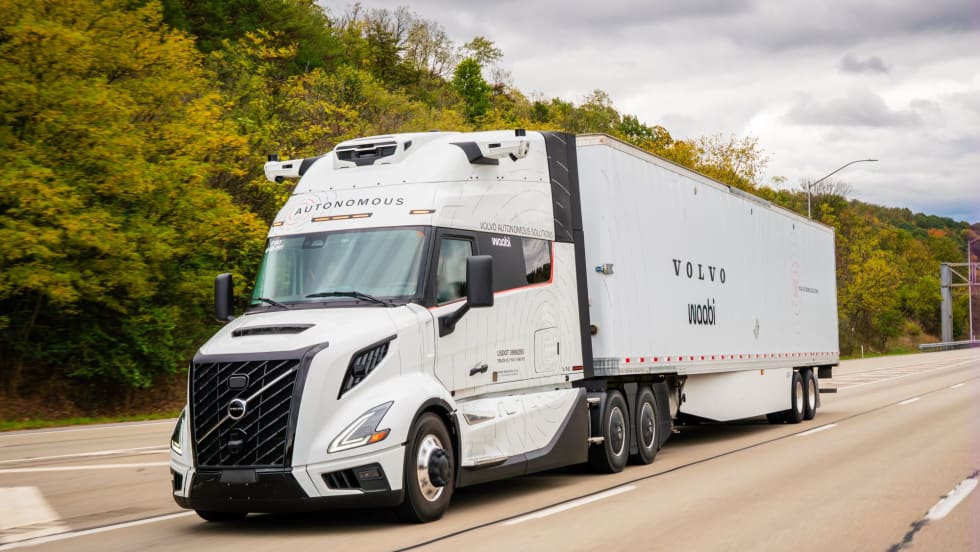
Volvo, Waabi Start Commercial Autonomous Operations in Texas
Volvo VNL Autonomous trucks, powered by the Waabi Driver, are hauling freight directly to third-party facilities for a customer in Texas.
Read More →