





Related – Diversification in Disruptive Times: How Four Fleets are Doing It [Intro]
PGT Gives Customers One-Stop Shopping
Part 4: How 4 Fleets are Diversifying in Disruptive Times – Specialized carrier PGT Trucking launched a “single-source transportation solution for high-volume or complex project cargo.”
February 12, 2020
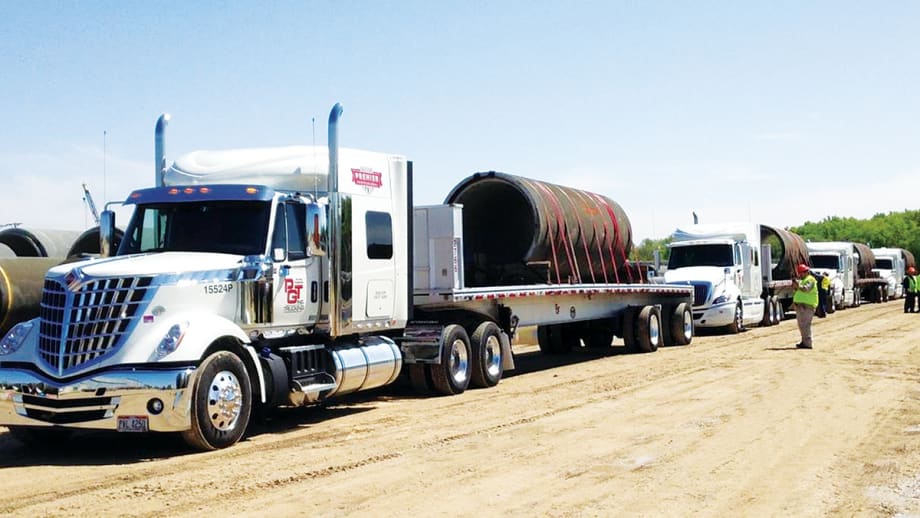
PGT’s new operation moves high-volume, heavy, valuable, or multifaceted freight with multiple shipments using flatbeds and specialized equipment.
Photo: PGT Trucking
3 min to read
Editor's note: This is the final installment in a four-part series looking at how fleets are seeking to diversify their businesses and reach new customers in a time of technological and commercial disruption.
Already a diverse operation offering flatbed, dedicated, international, and other specialized hauling services, PGT Trucking diversified right out of the trucking box by launching a “single-source transportation solution for high-volume or complex project cargo.”
Launched formally last June, PGT’s Project Cargo Management Division bundles the expertise and services of PGT and its affiliated companies, including heavy-haul and cryogenic-tank carrier Southern Pines Trucking, to move high-volume, heavy, valuable, or multifaceted freight with multiple shipments using flatbeds as well as a variety of specialized equipment.
The Aliquippa, Pennsylvania-based firm, whose primary operation fields over 1,000 tractors, 1,000 flatbeds, and 500 specialized trailers to haul freight in the U.S. and cross-border into Canada and Mexico, describes these projects as “packaged movements” set up to supply large, complex jobsites located throughout the country.
“The Project Cargo Management Division was created because we listened to our customers,” says Chad Marsilio, vice president, Commercial. When a project is complex enough that 30 or more loads per day must be delivered to a job site, he explains, customers prefer to coordinate through one transportation provider.
Each cargo-management project is as unique as the construction job it serves, says Bill Hershey, director of the Project Cargo Management Division. “A project can run from hauling loads of pipe for shale-oil operations in Pennsylvania and Ohio to delivering over 10,000 legal and specialized loads to the job site for a chemical plant being built near Pittsburgh.
“A project can last for several years with high intensity, and then it’s done and another one starts,” he continues. “We usually have three or four projects going on at a time. Depending on the scope, some will last three weeks, some for a year or more.”
Hershey says PGT had been doing project management for some time, “and realized we do it well. Our customers like that it’s one-stop shopping. Our drivers like it, too. That it’s work out of the norm for them helps us with driver retention.”
Carrying out a cargo project involves long-range planning as well as on-site management to ensure a safe and orderly process from start to finish. Along with dispatching primarily PGT’s own equipment, the division might set up staging yards near a construction site, put together trailer pools, and provide safety and operations personnel to oversee everything coming into the site, including delivery windows.
“We find ways to provide solutions to our customers regardless of location,” says Hershey. “Last year, we delivered over 300 loads of structural steel to a university in Boston, we helped to build a new hospital in Buffalo with over 200 loads delivered, and we have a fleet of drivers who make deliveries every single day into multiple construction sites in downtown New York City.
“Project cargo requires a great deal of energy and attention to detail-- from the initial quoting phase through delivery and billing,” he adds. “It takes trucking equipment but also logistics management. We definitely have become part of the supply chain. We’re the middle man in terms of getting the materials in and filling in all the blanks” for customers.
Subscribe to Our Newsletter
More Fleet Management

Kodiak Lines Up Fleets for Driverless Trucking
An agreement for 75 trucks, a new Texas freight lane, and progress on safety validation move Kodiak closer to its planned driverless highway launch.
Read More →
ITS Logistics Settles Religious Harassment Case
The Nevada-based logistics firm agreed to pay more than $396,000 to settle a religious harassment charge involving an employee's Jewish identity.
Read More →
Your Trucks Are Busy. That Doesn’t Mean They’re Winning.
High utilization doesn’t always mean strong margins. Looking beyond the current load can help fleets make better dispatch decisions and get more value from each truck’s time.
Read More →
Why This Trucking Recovery Is Different
Freight demand remains sluggish, but rising costs and tougher enforcement have taken enough capacity out of the market to change the outlook for motor carriers.
Read More →
Platform Science Adds Dispatch and Safety Tools
Four additions to PS Fleet help fleets monitor loads, manage driver coaching, share truck locations and adjust video system settings.
Read More →
PrePass Intelligence Mines Fleet Bypass, Toll and Safety Data
PrePass Intelligence helps fleets measure bypass savings, flag potential toll overcharges, and spot suspicious transactions by combining data from separate systems.
Read More →
Motive Adds AI Agents for Fleet Operations
New tools automate follow-up on fleet data, from maintenance work orders to driver alerts, with two-way voice conversations planned for later this year.
Read More →
Can You Beat Our Trucking Trivia Challenge?
Test your truck knowledge with 19 trivia questions from Heavy Duty Trucking Exchange. Can you keep up with the fleet pros?
Read More →
BeyondTrucks Adds Rules Checks to Dispatch
New Compatibility Engine checks driver qualifications, equipment requirements and fleet policies before loads are dispatched.
Read More →
Diesel Prices Hijack Trucking’s Worry List
ATRI’s annual survey finds cautious optimism about freight, but diesel costs, litigation, and insurance continue to squeeze fleets. Drivers have different priorities on several issues.
Read More →