




Truck Triage: Creating Order Out of Chaos
Four fleet professionals share what to do when a crippled truck limps back to the shop.

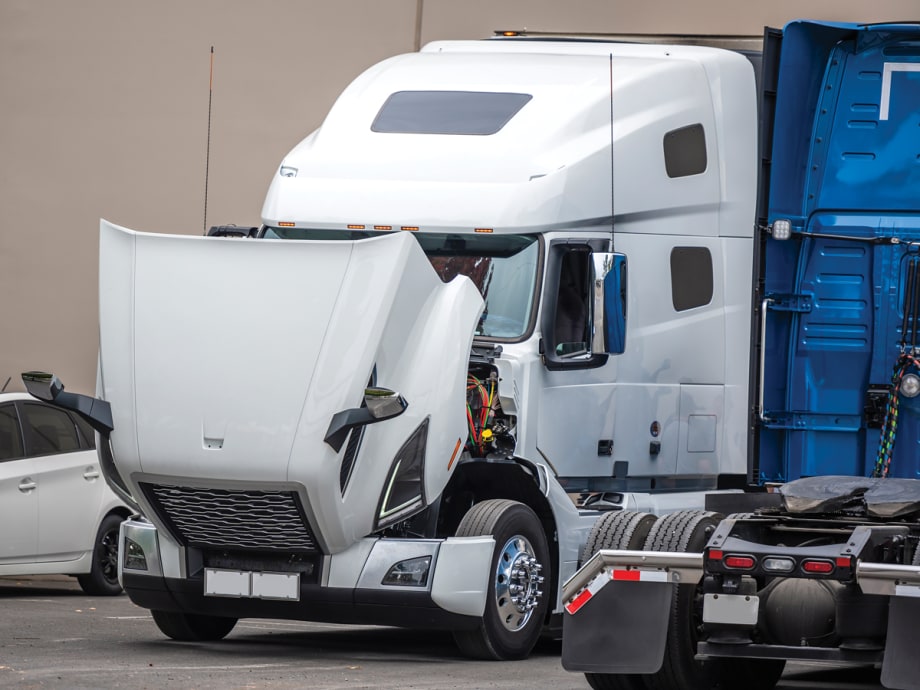
Backed-up trucks waiting on repairs can be a major bottleneck.
Photo: Gettyimages.com/vitpho
When a crippled truck limps onto your yard, you have to figure out how serious the issue is and how soon you can get it back in service. Like on the old TV show MASH, you’ve got to troubleshoot the issue, determine how bad it is, decide if it can be done in-house or not, and then slot it into the repair queue to get it back on the road as soon as possible.
Backed-up trucks waiting on repairs can be a major bottleneck. The situation is often tense and chaotic. Like Hawkeye and B.J. on MASH, fleet managers have to make snap decisions in order to keep some sense of order and timeliness in the shop. In this case, at least, lives aren’t at stake — but customer and driver satisfaction and even your company’s bottom line are.
Here, in their own words, are how four professionals, from fleets both big and small, start working the problem when a lame truck shows up.
The Right Technician with the Right Truck at the Right Time
Otho Reis is the shop manager at Peco Food’s Pocahontas, Arkansas, fleet facility. He is responsible for approximately 55 power units.
It all depends on what the problem is, first and foremost. Really, my first decision is which of my guys I’m going to put onto the truck to get it fixed, fast.
I try to run my shop with two different “wards,” to use a medical term: long-term patients (these are trucks with serious problems, like a bad oil cooler or an EGR problem) and short-term patients (trucks with minor, relatively easy fixes like springs or electrical issues.)
The drivers always call ahead. Based on what they tell us, we’re usually about 80% of the way toward troubleshooting the problem [before they arrive]. And it depends on the driver, too. Sometimes they’re just telling you something basic: “It’s losing power,” or “It pulls to the right.” In those instances, you’re only about halfway to where you need to be to start to work. So, right off the bat, you’ve got to figure out what the hell is going on. And that can be tough.

Otho Reis, Peco Foods
At this point, it starts to boil down to what kind of workload and backlog we have in the shop. It’s chaos, even on the best days, really. And very situational. You can set up some basic procedures to handle this sort of thing. But every day is going to be different, and you’ve got to be flexible.
Really, truck triage comes down to how you manage your personnel, and putting the right tech with the right truck at the right time to get it turned around. That’s really about 80% of it, to me; Putting people where they need to be based on their capabilities.
Now, that said, if I have a technician devoted to a serious repair job, I really don’t like to pull them off it unless it’s absolutely necessary. I’ll only do that in a very serious emergency, because that’s when expensive mistakes start to happen. It’s not the tech’s fault if you’re pulling them off a long-term repair and plugging them in to try and get a bunch of trucks back up and running. But when you start doing that and swapping guys back and forth off of jobs — and it does happen — mistakes get made.
Dedicated Quick-Repair Lanes
Paul Pettit is vice president of fleet maintenance for The Dart Network, based in Eagan, Minnesota. He is responsible for 1,100 power units.
Essentially, we try to be one step in front of the problem whenever we can. We have telematics on all our newer trucks. So, if it’s an engine issue, we can look and see what’s going on and make a call on if this is a critical “stop now” problem or something we can handle at the shop. And based on what we learn there, we let our planners know not to book another load with that truck or handle any other scheduling issues.
When the truck shows up, we next get as much information as we can from the driver: “How long have you had the issue?” “Does it happen at certain speeds, or on grades?” “You’re hearing a clunk when you’re backing up?” Whatever it is, we want to extract as much detail as possible from him or her. And that can vary from driver to driver. You have to be careful, though, because sometimes you can get led down the wrong path. And that can eat up additional repair time.
Our priority is drivers waiting versus an empty truck. In other words, we always want to get a waiting driver back out on the road ASAP. An empty truck can wait. And we feel like this maximizes both the drivers’ and our technicians’ time.

Paul Pettit, The Dart Network
In terms of getting the work done, we expect our shop foremen and managers to know the skillsets of the technicians they have available. It is critical to apply the correct technician to the right job. Not all technicians have the same skillsets, training, talent, or time in the shop.
We also have dedicated quick-repair lanes and bays. These are areas that are specifically reserved for repairs that are going to take two hours or less to make. We don’t want to have a truck tied up waiting for a bay to come open if it’s something we can knock out relatively quickly.
And even though this is very fast-paced, dynamic environment, we still take the time to do a thorough quality inspection once these unscheduled repairs are completed. We want to help our drivers be successful, avoid any CSA violations and prevent further breakdowns. It’s easy for technicians to focus on the downtime complaint and then miss another issue — a low tire, for example. So, we try to correct those problems as well and help that driver and that truck make it to the next PM without any additional issues.
Truck Telematics are the Key
Shane Sattler is director of maintenance for Ploger Transportation in Norfolk, Ohio. He is responsible for 77 power units.
We deal with one of the best trucks on the road today, Volvo and Mack. We really depend on their vehicle telematics to get us a leg up on a problem that we’ve got a sick truck. I generally get an alert and engine code from the truck, usually about five to 10 minutes before the driver calls in to report a problem. Usually, I already know he’s on his way in. I have a pretty good idea what the problem is, and I’m already on my computer checking out the code, if I have it, seeing if we have the parts sitting there waiting to go.
So, we know what’s going on and what we need to do. But really, this is the worst time ever for getting trucks turned around, from top to bottom. Getting parts, all of it. Lucky for us, we beefed up our in-house parts inventory by about 75% over the last three years.
About 80% of our fleet is powered by D13 Volvo engines. That’s been the biggest plus for us getting through these tough times, because we get very few surprises in our truck triage. Telematics is the key. We get an email from Volvo or Mack telling us what’s going on. So, our diagnosis process when a lame truck comes in is pretty much just confirming everything that’s already in the telematics report.

Shane Sattler, Ploger Transportation
When we start seeing a problem on one truck, and then another truck, we’re able to recognize a pattern. So, we know to go ahead and order the parts needed to deal with that problem so we’ll have it on hand as these issues arise.
We don’t send anything out for repairs. I have three Fleet Master Technicians on my staff. So, we do all our warranty work in-house. We have our own tow truck and I’ll send it to get a sick truck home. We want repair work done here. We have confidence in our techs. They stay up on their training and know how we want work done.
With all of the technology we have, we still pay serious attention to the drivers when they tell us something is wrong. They’re in those trucks all day long. So, no matter how stupid it sounds, we pay attention to what they’re trying to tell us. We preach that to our techs. We want the drivers to feel like their complaints are always being taken seriously.
Building Dealer Relationships
Darry Stuart is the president of DWS Fleet Management Services in Wrentham, Massachusetts. He advises fleets and helps oversee appoximately 4,000 power units.
I’ve been managing fleets for 55 years, and this is the worst I’ve ever seen things. I used to say truck triage was like seeing how many balls you could juggle at once. Now, not only do you have to juggle a whole bunch of balls, you’ve got to throw them as high up in the air as you possibly can.
In general, my approach to truck triage has always been to do the quickest, easiest and most obvious things possible to get a truck and the driver back out on the road and earning revenue. Today, maintenance shops are no longer in the maintenance business. They are in the asset management business. And that’s what truck triage is all about, ultimately: Figuring out how to get multiple assets with very different problems back out on the road ASAP.
We are plagued with complexity on new trucks. We are plagued with high-level electronic systems. Shops are severely understaffed and under constant, high pressure to perform. And the parts situation is a whole other story by itself. The result [technicians are] expected to work at the same speed as a NASCAR pit crew — but do a complete engine rebuild like the Top Fuel Dragster guys do inside of an hour.

Darry Stuart, DWS Fleet Management Services
I’m normally not an advocate for outsourcing repairs. But given the highly technical stuff on trucks now, and the pressure on shops to turn trucks around, I think building and leveraging a good relationship with your dealer is essential. The other point is that they see lots of common, repetitive failures with their trucks. So, you get some weird issue that pops up and everyone in your shop is stumped. But [the dealer] is going to pretty much know where to go to fix the issue because they see it all the time. So that can be a real time-saver right there — assuming you’ve got a relationship with the dealer that gives you priority status when you need them.
It’s the toughest operating environment for fleets I’ve ever seen. There is pressure from all sides, and from top to bottom, to perform. And management and dispatchers don’t understand how difficult things are in the shop now. So, for me, the new reality for fleet managers right now is that [no matter how good your triage] somebody will have to be pissed-off waiting on trucks to get fixed.
This article first appeared in the April 2022 issue of Heavy Duty Trucking.
More Maintenance
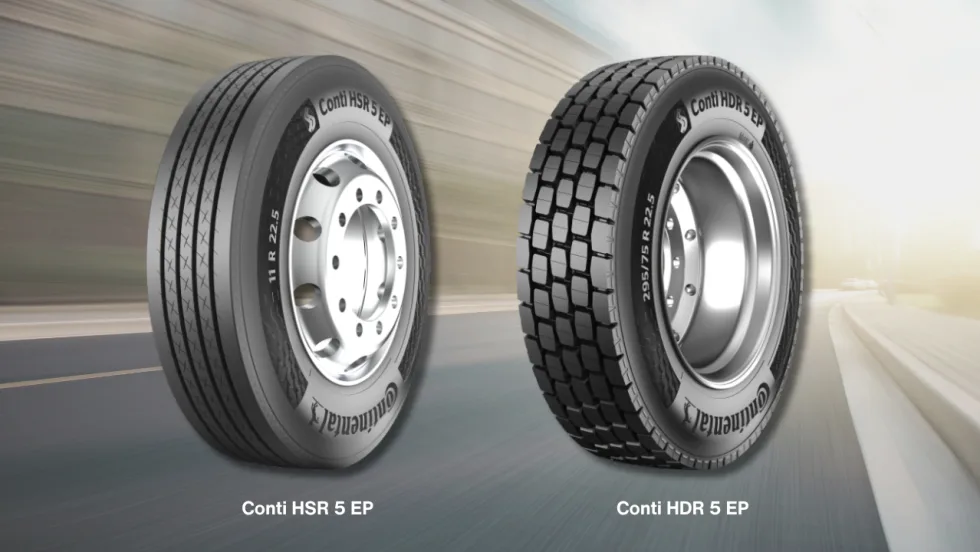
Continental Introduces New Regional Truck Tires
Continental says its new Generation 5 steer and drive tires for regional operations offer longer tread life, with estimated mileage gains of 22% and 19%, respectively.
Read More →
How AI Can Help Your Techs’ Efficiency
The technician shortage isn't going away, and no single fix can close the gap on its own. Trent Broberg makes the case that AI's real job in the shop is protecting the billable hours and job satisfaction of the techs you already have, not asking them to work faster.
Read More →
Color Match Smarter: Tools That Restore & Perform
For fleet managers and collision repair professionals keeping heavy-duty trucks on the road, getting the color right the first time isn't just about appearance — it's about efficiency, turnaround time, and bottom-line results. Discover how today's digital color tools are transforming the repair process from guesswork to precision.
Read More →

Wrong Repair Prompts Recall of Freightliner, Western Star 4x2 Trucks
DTNA is recalling more than 2,400 trucks that received an incompatible software fix instead of the hardware repair required to address brake valve corrosion.
Read More →
Truck Drivers Need More Than Another Alert
Fleets have more visibility into truck health, safety events, and driver activity than ever. The next challenge is turning all that information into useful guidance for the person who has to decide what to do next.
Read More →
The Maintenance Checks Trucking Fleets Should Prioritize Before Fall Freight Picks Up
Making it through August isn’t the same as being ready for the next several months of operation. Find out what systems may have suffered from summer heat and need to be checked out before fall.
Read More →
What Three Fleets Are Doing Differently When Buying Truck Parts in 2026
With freight improving but costs still climbing, fleet maintenance executives explain how they're balancing price, quality, and supplier relationships.
Read More →
Paccar Recalls 2027 Trucks Built This Summer for Possible Electrical Problem
The nearly 6,000 Kenworth and Peterbilt trucks in the recall could potentially lose engine power, among other things.
Read More →
Could New Engine Oils Mean Longer Drain Intervals?
New CL-4 and FB-4 engine oils are coming in 2027. Foodliner wants to know whether they could support longer oil drains, but it won’t change its maintenance schedule without data from its own trucks.
Read More →
Brake Safety Week to Focus on Drums and Rotors
Commercial vehicle inspectors are focusing on truck brakes during CVSA's Brake Safety Week, August 23-29.
Read More →