




The Modern Maintenance Manager: Managing Today's Technicians
With trucks turning into sophisticated equipment resembling computers on wheels, plus increasing emphasis on uptime, controlling costs, and safety and compliance, today’s technicians need to know how to do much more than turn a wrench.
February 16, 2016


9 min to read
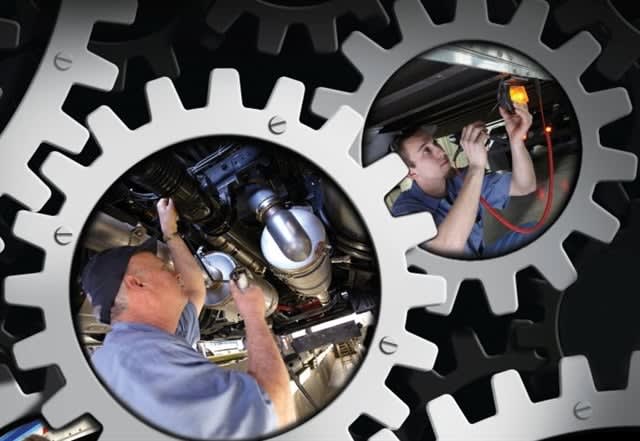
Everyone knows that today’s technicians need to know how to do much more than turn a wrench. With trucks turning into sophisticated equipment resembling computers on wheels, plus increasing emphasis on uptime, controlling costs, and safety and compliance, it’s an ever-more-demanding job.
But what of the upper-level managers who are responsible for making sure the company has the right technicians in place, that they’re properly trained, that they’re operating at peak efficiency, and that the shop and the trucks are operating at the highest level of efficiency and safety?
What does it take to be a successful modern maintenance manager — and to be ready for what the future brings?
People vs. equipment
As a technician, you probably deal mostly with equipment. But as a manager, a big part of your job is dealing with people.
“In the early days of my career as a technician turned manager at a union shop in Cincinnati, Ohio, I learned quite quickly that I could not lead by force. Doing so just caused more pushback and more headaches,” explains Randy Obermeyer. He’s terminal manager for Batesville (the casket manufacturer) in Batesville, Ind., which operates some 1,000 pieces of equipment from light-duty to Class 8. “I discovered that managing technicians was like being married, and that it needed a give-and-take relationship. At the end of the day, they want the same things as I do … to be heard, be needed, and appreciated.”
Batesville’s culture, he says, “requires us to build an ‘army of problem solvers.’ Instead of answering a question from an associate when they are facing a dilemma, we ask them what they think should be done. Making them think for themselves is crucial for their development and fulfilling a top item on the ‘Pyramid of Needs,’” he explains, referring to Maslow’s hierarchy of needs, a well-known psychological theory of human motivation. Top items on that list include concepts such as esteem and self-actualization.
At U.S. Xpress, a major truckload carrier based in Chattanooga, Tenn., Senior Vice President of Maintenance Gerry Mead says the company’s entire management team is going through “The 4 Disciplines of Execution,” a goal-driven management program from the folks at FranklinCovey. The concepts extend into the maintenance shop as well.
“By allowing them to set goals and provide commitments as a group, they can feel part of a ‘Wildly Important Goal’ [the term used in the 4 Disciplines program], and they can see the needle movement,” Mead says. “We have scoreboards posted and everyone can see if we’re winning or losing. Any time you’re playing a game or involved in something and there’s a score kept, you always want to know you’re winning. People want to help move the needle.”
Training and education is an important part of the motivational equation.
“Training is an operating cost you cannot afford not to have,” says Terry Clouser, who spent 27 years with UPS and has provided maintenance consulting to companies such as AAA Cooper and NFI. “Lack of experience and lack of training will cost you more in hourly labor every day than the cost to properly train and educate a good technician.” Clouser is now vice president of fleet services for Fleet Advantage, which offers truck fleet business analytics, equipment financing and lifecycle cost management.
Mike McDonald, director of fleet maintenance at Don Hummer Trucking in Oxford, Iowa, says there’s a difference between training and education.
“Too often we fall into the training mentality, where we show them what to do but they’re not taught the why,” he says, whether it’s what data to enter for warranty filing or the proper steps to replace a component.
For instance, he says, if you train a tech in 15 steps to do a task such as replace a clutch, they might skip a step if they don’t really understand why it is needed. “If you teach them the why behind every step in the process, that way they really understand the process and what they’re doing and they can identify with the importance of each step in the process. You want to educate them in the process, not train for the behavior.”
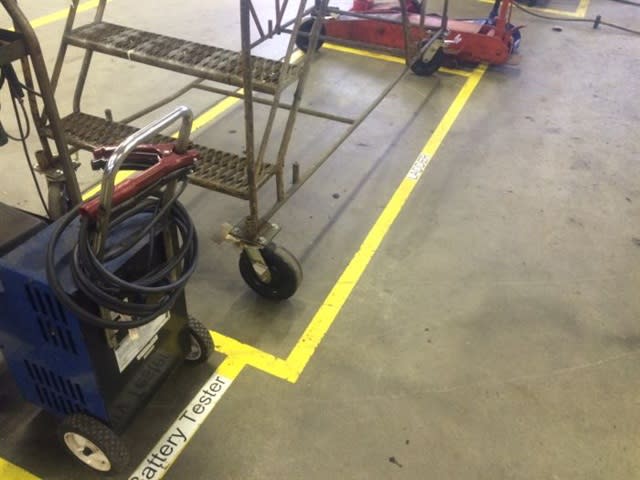
Technicians can easily find tools and equipment in Batesville’s shop, saving time and frustration. Photo: Batesville
Mixing generations
All this is particularly important as the modern maintenance manager adjusts to attributes typical of younger generations — to better manage the expectations of the young people who it is so important to bring into your shop today.
When asked how hard it is to find technicians with the needed skills for today’s shop, Bruce Stockton says, “There are no technicians to find.”
Stockton, vice president of fleet services at Kenan Advantage Group in North Canton, Ohio, says fleets today must develop their own technician base, training, educating, and investing in them.
“Identifying computer-savvy personnel who love equipment, enjoy the diagnostic challenge and know how to follow a process and exhibit patience in diagnostics are key attributes of finding the right techs,” he says.
Clouser agrees, observing that there are young people out there who get personal satisfaction in troubleshooting, diagnostics, and repairing problems. “There are competitive people who like this type of work and can’t sit in an office all day. These are the individuals we need to search out and attract to the industry.”
However, maintenance managers we spoke with commented that while these younger technicians may be whizzes with diagnostics and software, traditional maintenance may not be their thing.
One way to address these generational differences is to have techs work in teams.
“There’s a difference between smart and wise,” says Mike Delaney, president and CEO of WheelTime, a network of nearly 200 repair and maintenance shops in the U.S. and Canada. “The increased use of technology and electronics to operate and maintain vehicle systems has led to advantages for multi-generational maintenance teams. On average, younger techs have a faster grasp of newer tools and online training systems for the new vehicles and technologies, while more experienced techs make great mentors and partners.”
In 2014, WheelTime launched “Total Tech,” a series of online training and certification modules using tools and focus inspired by the SuperTech competition put on annually by the American Trucking Associations’ Technology & Maintenance Council. WheelTime was one of the organizations that worked with TMC to develop the FutureTech national student technician competition.
“We believe there are advantages to having the different generations represented in our shops,” says George Arrants, director of training and recruitment for WheelTime. “Many companies, however, are stating they want to hire experienced techs, which could just be a short-term fix. We’re finding that hiring a qualified entry-level tech from a quality program and most importantly allowing them to grow within the organization, is more cost-effective.”
To make all this work, however, it’s important for the modern maintenance manager to be able to communicate with and manage multiple generations.
Kenan’s Stockton notes that younger technicians know, understand and “trust” the technology they need to use to diagnose and troubleshoot problems.
“Those training and managing younger techs have to have the same level of trust,” he says, “and not force the younger technician to shortcut the diagnostic phase and act as if they know more than the younger tech.”
Eric Peterson, vice president of maintenance at Burr Ridge, Ill.-based Dillon Transport, emphasizes the importance of communication and of understanding how to work with differing generations. “We’re getting a lot of kids out of schools that are very computer-literate, very willing to learn, but they’d rather communicate via text. They need that pat on the back more often than the mechanics of 20 years ago.”
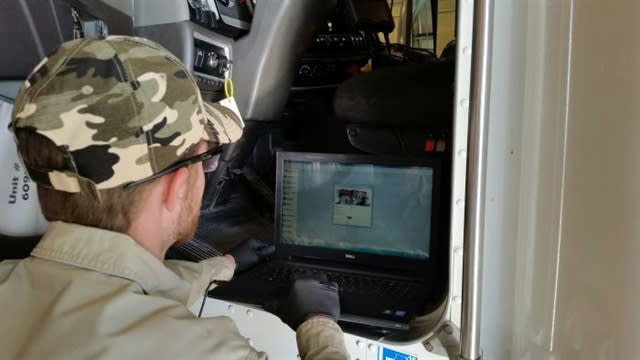
One of the most important tools for a technician today is a computer, like this one in Dillon Transport’s shop.Photo: Dillon
In the shop
Part of managing your technicians is making sure they have the information, processes and tools they need to work efficiently, effectively, safely and comfortably.
Vehicle lifts or pits can allow technicians to easily get underneath a vehicle instead of lying on their backs. Lighting, climate control, access to the proper tools, and just keeping up with the technology for the shop are also key.
At the Erb Group’s New Hamburg, Ontario, facility, a new worker-friendly shop was designed for optimum productivity, efficiency and safety. It includes some thoughtful and innovative features, including two extra rows of glass panels in the rollup doors on the east side of the shop that take advantage of the available sunlight. The shop lighting is all LED and the walls are painted white for better illumination.
McDonald says the Don Hummer Trucking shop, about eight years old, is relatively new, and is kept extremely clean because it’s easier to turn trucks and trailers through faster. It has heated floors and over-width doors. All tech has door openers, which allows them to do a better job of keeping the heat inside during the winter and saves time because techs aren’t waiting for a door to open.
After doing time studies and movement analysis, Hummer rearranged the parts room to make it more user-friendly, allowing for a quicker turn time on PMs and other routine maintenance.
“We always buy the latest equipment we can as far as computers,” McDonald says. “Our trailer shop’s got scissor lifts so we don’t have anyone on a ladder — for safety and for speed.
“It’s much less expensive buying the new technology and tools than it would be dealing with a worker’s comp claim or hiring more people. Equipment’s cheap compared to more full-time employees, so we invest to make sure the employees we have are as efficient and effective as they can be.”
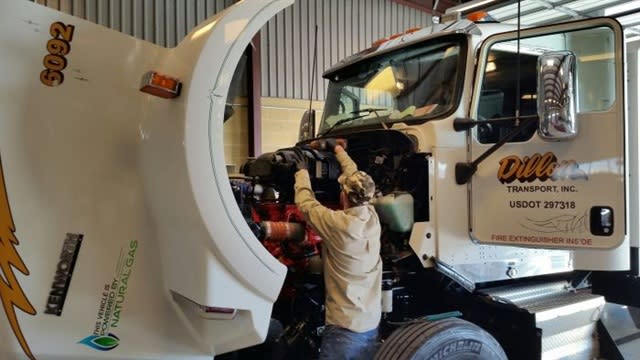
Training and education are vital to help technicians feel fulfilled in their jobs and to keep them up to date on new technology — including alternative fuels, as in this Dillon Transport shop. Photo: Dillon
Striving for efficiency
“Shop efficiency starts by knowing and understanding the personnel capabilities and skill levels, accompanied by having the right tools for the job,” Stockton says. “Secondly, measuring the efficiency and productivity of each individual mechanic and the shop as a whole will determine if the skill set and demand are balanced. Adding mechanics when the workload backs up has been a past practice that should be abandoned until you can accurately measure results and make data-driven decisions as to the level of work you can do in your own shop and which jobs should be outsourced.”
Companies such as WheelTime, Batesville and Don Hummer Trucking have done time studies to help remove wasted time and motion in technician’s everyday work.
“We’ve found that providing the techs with everything they need in their work area and limiting the length and number of times they move throughout the shop to acquire what they need to make a repair is critical,” says WheelTime’s Arrants.
Obermeyer, who practices Lean principles of waste-reduction at Batesville (see sidebar, page 56), notes that one of those principles calls for everything having a place and having everything in its place. So, for instance, the location where the welder is supposed to be parked is indicated by a yellow mark painted on the floor that says “welder.”
“That’s where it’s expected to be when not in use,” Obermeyer explains. “That way the mechanic doesn’t have to walk all over the building to find it. Jack stands, torque wrenches — everyone knows where to find them, and there’s less likelihood of tripping over tools left out in the aisles. Studies that look at how efficiently technicians are working help dictate where to place tools.”
Make sure you get your technicians involved in the process of determining what will make their shop a better place to work in and help them to do their jobs better.
“If you invest in a good person and reward them for their abilities,” Clouser says, “they will remain loyal to you.”
Future installments in this series will look at the use of data in the shop, safety and CSA compliance, and using Lean and other efficiency strategies in the shop.
Subscribe to Our Newsletter
More Maintenance
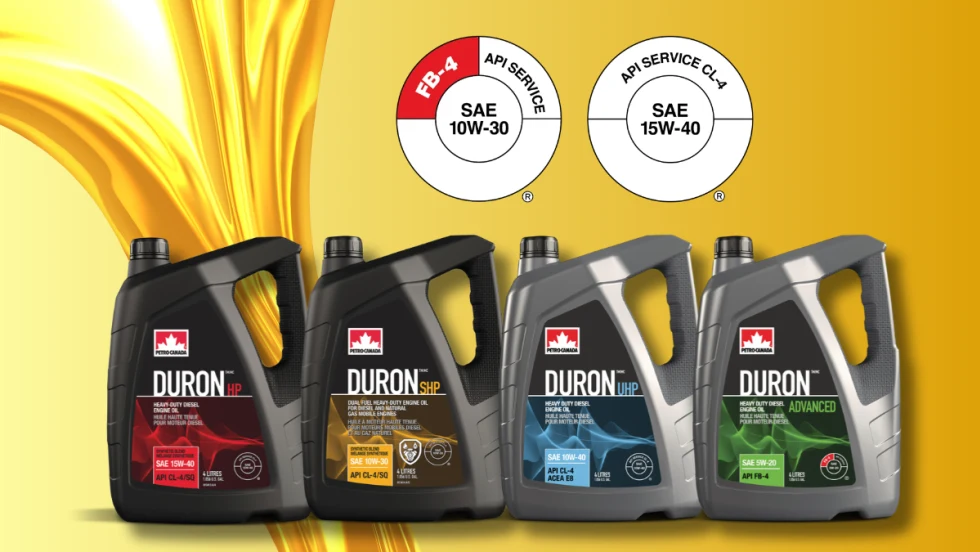
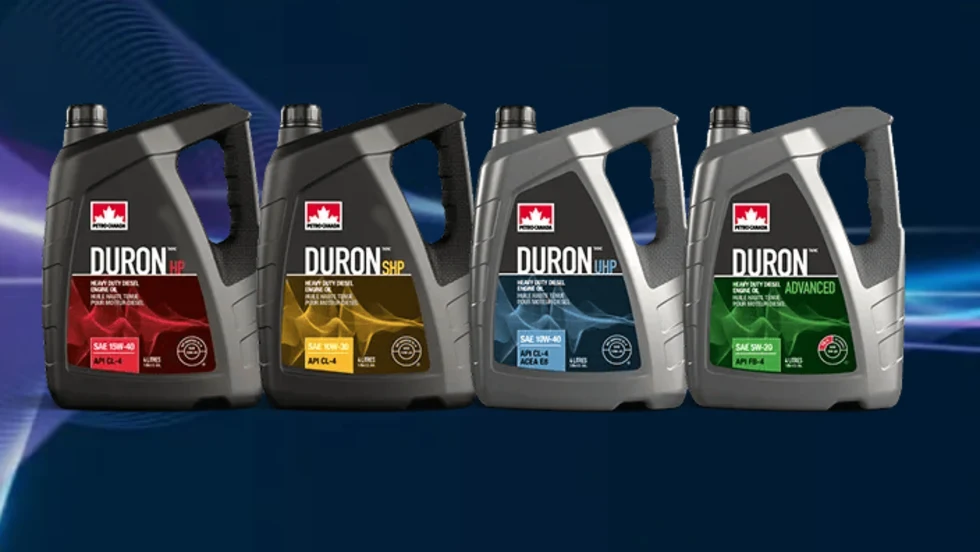
New Duron Engine Oils Target Fleet Operating Costs
Petro-Canada's next-generation heavy-duty engine oils promise better wear protection, longer oil life and potential fuel savings as the industry prepares for new oil specifications in 2027.
Daimler, Paccar Recall Trucks Over Driveline Defect
Nearly 4,900 Freightliner, Western Star, and Kenworth trucks are being recalled because a missing snap ring could allow the driveline to separate from the truck.
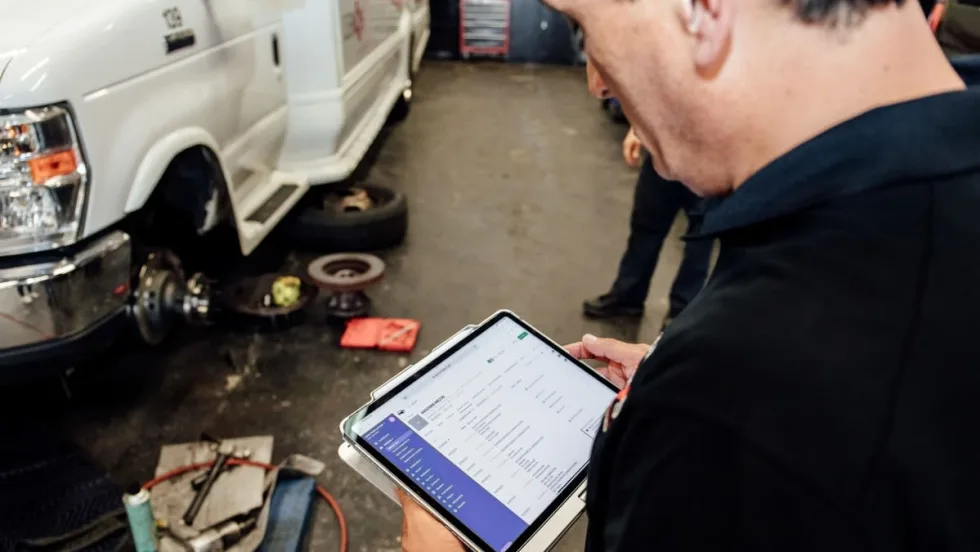
What to Look for in Fleet Maintenance Software
Choosing the right maintenance technology starts with identifying the problems you need to solve. Here's what trucking fleets should look for — and what to ask potential providers.
Bendix Upgrades Trailer ABS With Smarter Diagnostics
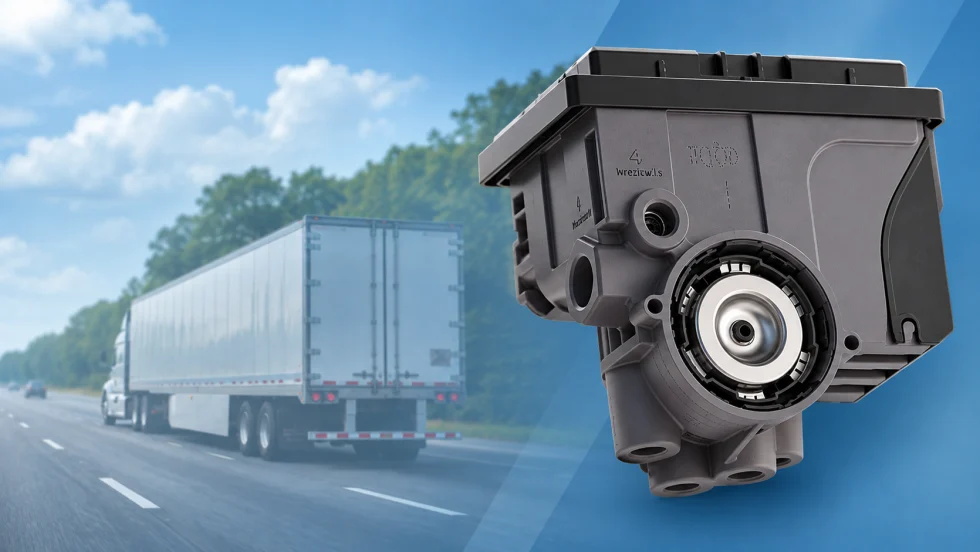
The new iTABS X system replaces Bendix's TABS-6 Standard trailer ABS, adding faster diagnostics and connectivity that could help fleets identify brake-system problems before they lead to downtime.

CVSA Sets 2027 International Roadcheck Dates
The annual 72-hour truck inspection blitz will take place May 11–13 across North America. Here's what fleets can expect and what inspectors found during the 2026 event.
What Trucking Events are Happening in 2027?
Looking for trucking-related conventions, expos, and other events? Heavy Duty Trucking has developed this list of national and larger regional trucking shows and events.
Brake Problems Sideline 15% of Inspected Trucks
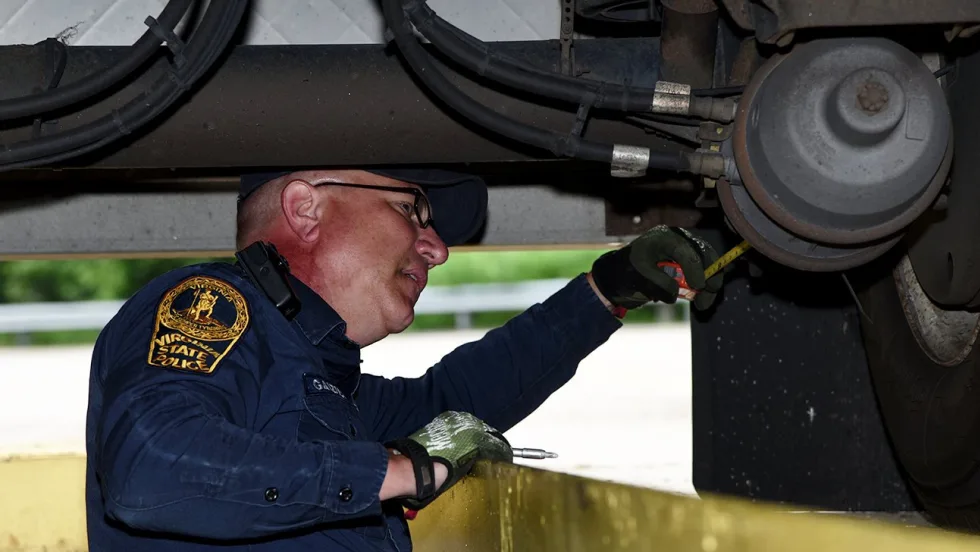
During CVSA's 2026 Brake Safety Week, inspectors placed nearly 2,400 commercial vehicles out of service for brake violations, including problems with defective brakes, hoses, drums and rotors.
Sponsored•November 6, 2026
Unlocking the performance advantages of PC-12
2027 will mark the arrival of a new generation of heavy-duty engine oils. PC-12 reflects how far engine design has advanced and the demands that progress places on heavy-duty lubricants. Here’s what the transition means to your fleet.
Sponsored•November 3, 2026
6 Tips for Troubleshooting Cold-Weather Truck Problem: Don't Guess, Diagnose it
Cold weather can expose hidden truck problems. Discover six practical troubleshooting tips to pinpoint the cause, avoid unnecessary repairs and keep trucks on the road.

How GP Transco Builds Fuel Savings a Fraction at a Time
Aerodynamic specs, solar panels, and driver incentives help GP Transco turn small efficiency gains into savings it can reinvest in its people.