




Test Drive: Paccar 12.9-Liter MX -- When 13 Liters Are Enough
Proof of performance is on the road. So Las Vegas Peterbilt set up a demonstration rig promoting Paccar's 12.9-liter MX

Proof of performance is on the road. So Las Vegas Peterbilt set up a demonstration rig promoting Paccar's 12.9-liter MX.
The MX-powered Model 365 tractor was hitched to a Ranco 34-foot all-steel end-dump trailer. Its mission is to impress truckers with the MX engine's propulsion ability, even if its displacement is smaller than what they're used to.
Construction rigs in the Las Vegas area are usually pulled by Petes and Kenworths with 15-liter Cat and Cummins diesels, said the dealer's sales manager, Wes Gayhart. So he ordered the vocationally oriented Model 365. It had Western specs, including a forward-set steer axle, a long 227-inch wheelbase, and a wet kit to tip the trailer. The MX was mated to an Eaton Fuller 13-speed manual transmission, which helped make it a pleasure to drive.
I did that in January, during the World of Concrete show. I had previously driven a 365 with the MX in northern Texas, but there were no hills to speak of. Southeastern Nevada has some healthy hills on nearby highways, and they are where I headed.
The Ranco trailer was loaded with river rock to bring the rig's gross combination weight to about 77,000 pounds, close to the legal limit for a five-axle semi of this length. Peterbilt's vocational segment marketing manager, Charlie Cook, rode along. At hand were 485 horses and torque of 1,650 pounds-feet, the MX's strongest rating, and these kept the rig moving smartly on upgrades.
The first was on a rural stretch of Las Vegas Boulevard, State Route 604, near the Las Vegas Speedway and Ellis Air Force Base. This two-lane highway climbs out of a wide valley as it approaches its junction with I-15. I started up the hill, maybe a 4 percent grade, at 50 mph in 8th-direct (12th ratio in the 13-speed) with the engine spinning at 1,500 rpm, and the speedometer and tachometer needles stayed right there. A bit later I ran the grade again and stayed at 55 mph all the way up.
Then we swung north on I-15 and headed for Apex Hill, the steepest part of the Interstate's climb out of the Vegas valley, which I'd estimate is 5 to 6 percent, if not very long. I was doing 65 mph and 1,600 rpm in 8th-overdrive (13th, or top gear) as we hit the hill, and our speed dropped about 5 mph and revs fell about 100. If I had split down to direct, we might have topped the grade at the same speed we started.
On these pulls I never wound the engine past 1,700 rpm. I didn't need to, because peak horsepower is happening right there. I could've lugged it way down because peak torque occurs at 1,100 rpm, but you need horsepower to maintain road speed, so revving it to 1,600 or so works better. While accelerating in the lower gears I often punched the go-pedal at 1,100 and less on the rev range. The MX just moves ahead smoothly, with no shuddering or shaking. And it's remarkably quiet, as most truckers first notice when driving this rig, Gayhart said.
So with this rating and this weight, the MX is a real puller and good at acceleration. Would it be enough to pull the double bottom-dump rigs that can gross up to 129,000 pounds on nine axles, which are common out here? Gayhart thinks so, but understands that most guys would want 500 or 550 horses for such duty. For them he has Cummins power, and will gladly sell them Petes with big red ISX15s.
From the May 2011 issue of HDT.
More Equipment
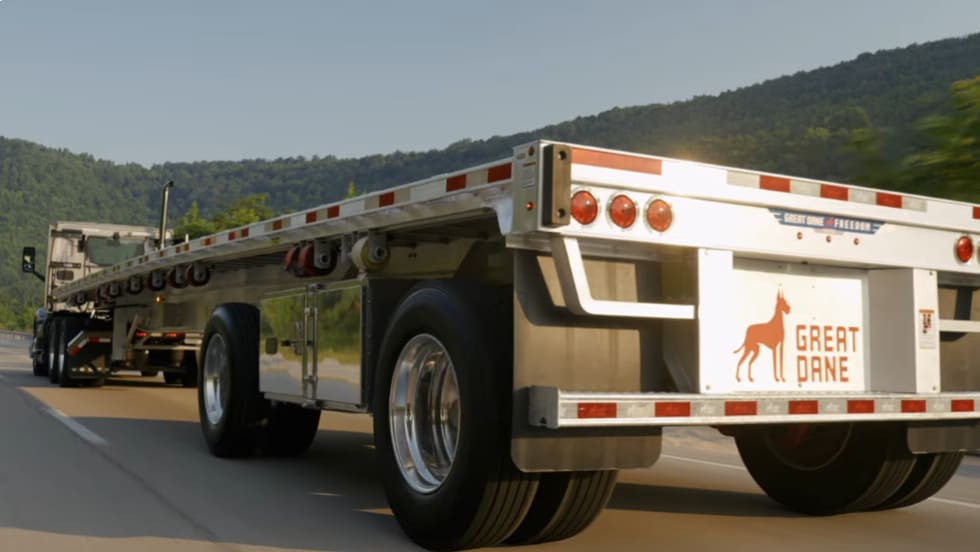
Great Dane Flatbed Trailer Offers Light Weight and Strength
Freedom Ultra is designed for a wide range of open-deck applications, including building materials, lumber, machinery, steel products, industrial freight, and coil hauling.
Read More →
What It's Like Inside this Custom 2025 Peterbilt 589?
Take a driver's-eye tour of this customized 2025 Peterbilt 589 in this video, as longtime driver Ingrid Brown explains its features, compares it to previous models, and shares plenty of personality along the way.
Read More →
Drivers Put Western Star Trucks to the Test at Star Nation Experience
Watch to get an inside look at the Western Star trucks, technology, and community behind the Star Nation Experience 2026!
Read More →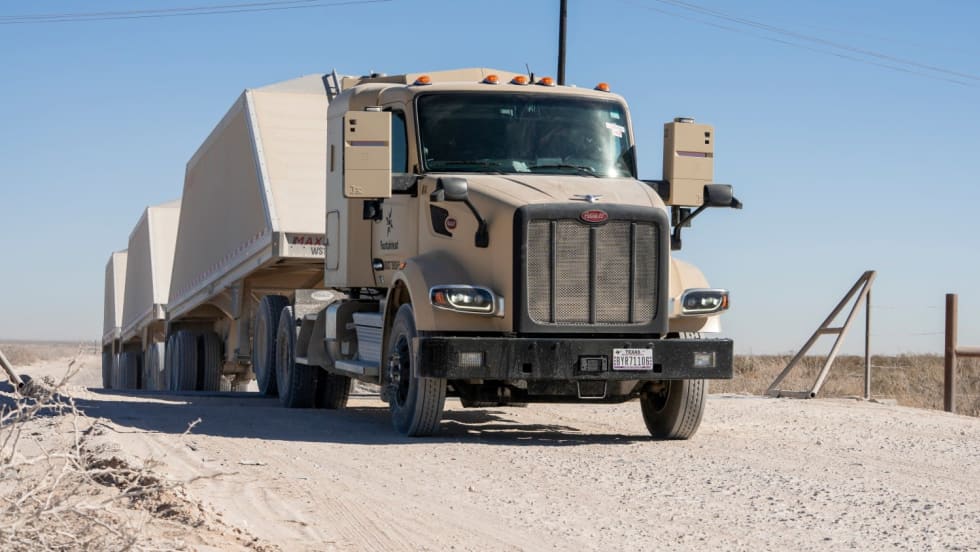
Atlas Expands Kodiak Driverless Truck Fleet in Permian Basin
Atlas Energy Solutions is expanding autonomous frac sand hauling in the Permian Basin with a second load-out location and plans for 100 driverless trucks by mid-2027.
Read More →
Putting Mack’s Command Steer to the Test
A test drive of Mack’s Command Steer active steering system evaluates how it can make truck driving easier and less tiring.
Read More →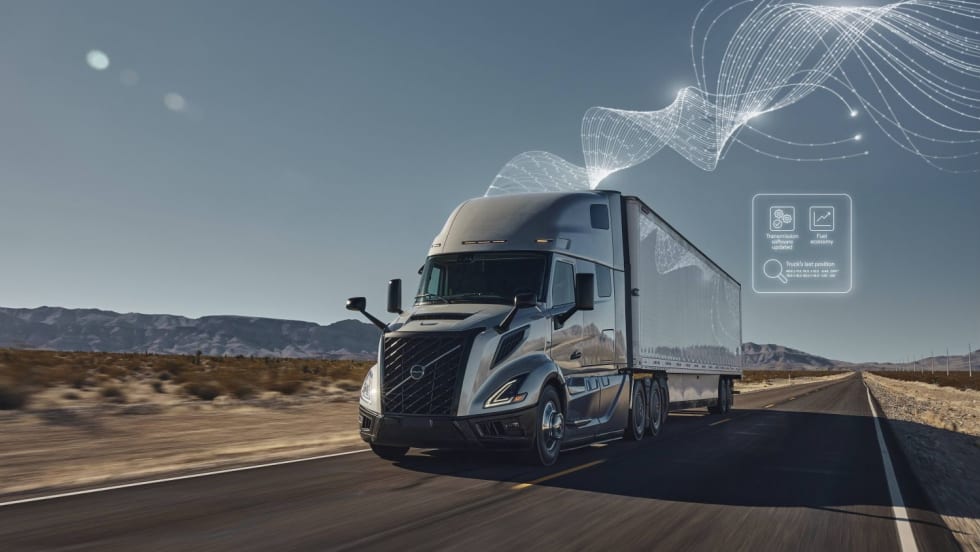
Mack, Volvo Expand DEF Derate Software Updates
The updated software gives Mack and Volvo truck owners more time to address DEF-related issues before the engine derates or the vehicle goes into reduced-speed inducement, following new EPA guidance.
Read More →
Rush, MCT Team Up to Grow Refrigeration Service Network
The joint venture will operate MCT's network of Carrier Transicold dealerships and mobile service locations, with the companies promising greater service capacity and uptime for refrigerated fleets.
Read More →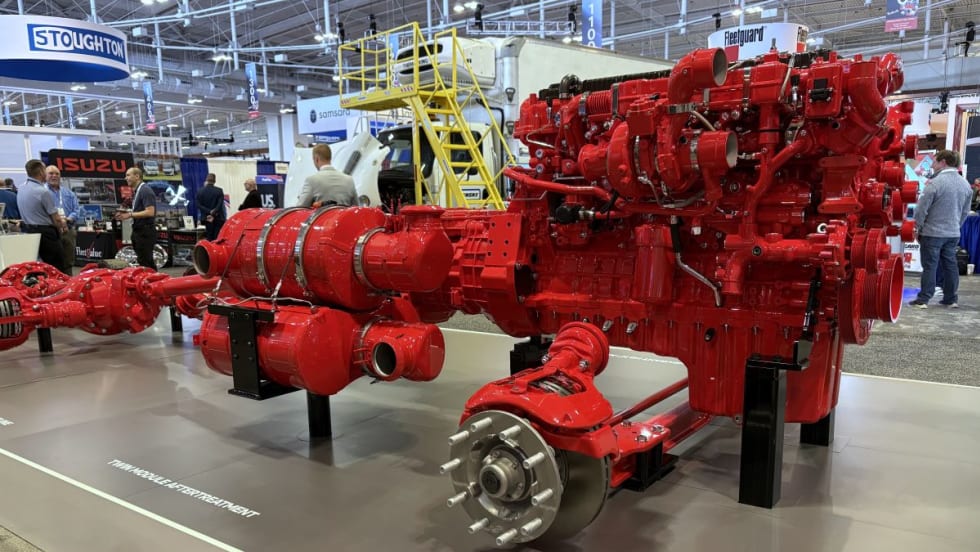
Cummins Adjusts 2027 Engine Rollout After EPA Proposal
The engine maker will gradually introduce its new Model Year 2027 diesel engines while continuing to offer current models during the transition, citing the EPA's proposed emissions rule changes.
Read More →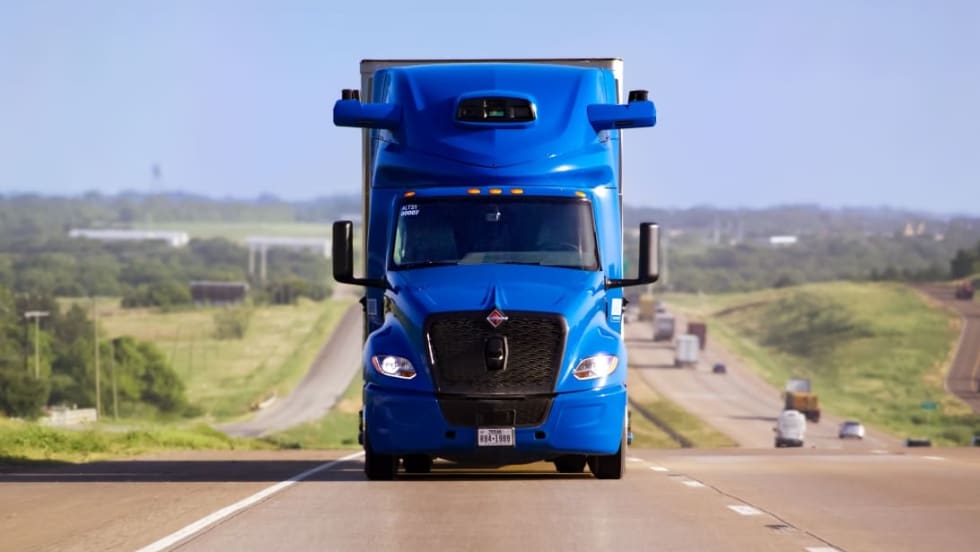
Aurora Rolls Out Next Generation of Driverless Trucks for Commercial Freight
Aurora's latest autonomous trucks it's rolling out with International feature lower-cost hardware designed for a million miles as the company expands commercial driverless freight operations across the U.S. Sun Belt.
Read More →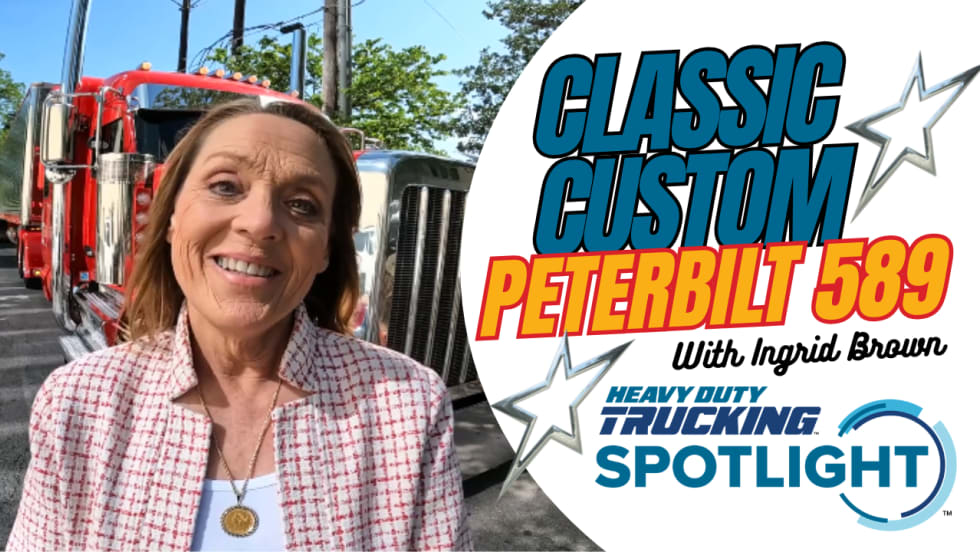
Peterbilt 589 Spotlight: A Close Look at a Custom Working Truck [Video]
There's more to this customized Peterbilt Model 589 and Great Dane refrigerated trailer than chrome and stainless (although there's plenty of that too!) A veteran driver explains the design choices and practical features behind this working truck.
Read More →