




Test Drive: KW T800, ISX12 G Paired
My drive of the Cummins Wesport ISX12 G was at a mid-July “natural gas summit” hosted by Kenworth at its plant in Chillicothe, Ohio. A half-dozen gas-powered KWs built for different applications were offered to dealers, customers and press reporters for inspection and evaluation. A few fellows with CDLs, like me, took them for drives, and I had – how shall I say? – a learning experience while in a T800 short-haul daycab tractor pulling a 53-foot van trailer.

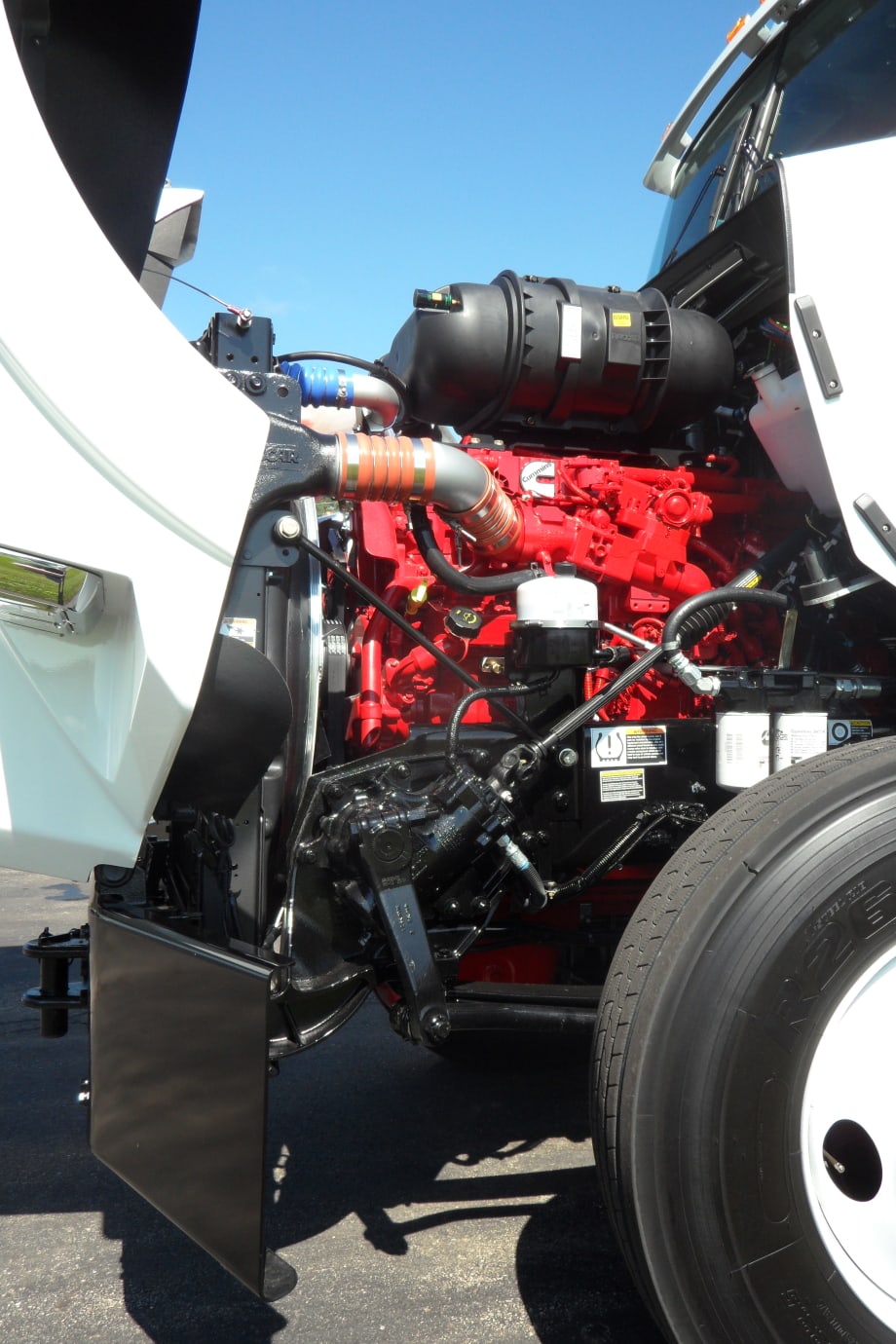
My drive of the Cummins Wesport ISX12 G was at a mid-July “natural gas summit” hosted by Kenworth at its plant in Chillicothe, Ohio. A half-dozen gas-powered KWs built for different applications were offered to dealers, customers and press reporters for inspection and evaluation. A few fellows with CDLs, like me, took them for drives, and I had – how shall I say? – a learning experience while in a T800 short-haul daycab tractor pulling a 53-foot van trailer.
The first thing a driver needs to know about natural gas is not how cheap it is, even if that’s the main reason he’s driving a truck like this. He has to know where the “on” switch for the fuel system is located. I didn’t and ran out of gas a few minutes after leaving a staging area while sitting in a left-turn lane at a busy intersection (ha ha, look at the driver’s red face!).
A couple of workers from the plant went out, turned on the switch (which activates a solenoid to open the fuel line to the engine), twisted the key, and it started right up.
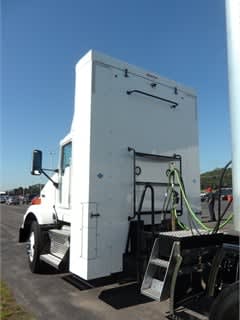
This tall cabinet behind the Kenworth T800’s cab houses four “bottles” that carry CNG for the Cummins Westport spark-ignited 11.9-liter engine.
Yes, I felt stupid, but here’s an excuse. Earlier I had climbed into a 12G-powered T800 truck that wouldn’t start until someone showed me a rocker switch, mounted to the right of the steering column and innocuously labeled “spare,” and pushed it on. Then the engine cranked over and fired up.
The T800 tractor had the same switch in the same place, but pushing it on didn’t do anything. Turns out there was a second switch to the left of the column, above the ignition, which was wired to the tractor’s fuel system.
The KW people said they’d have to talk to the upfitter about labeling the fuel-system switch with something specific, like “fuel system.”
Even with the label, someone needs to tell the driver about it, as well as instruct him on the fuel system, how to top off the tank and so on.
Once I got it started, the truck ran fine except for a few minor quirks:
• The engine seemed to bog a bit at clutch engagement using only the torque available at idle, so I learned to feed it a little gas and slip the clutch to get us going – not the best way to drive a big rig, but necessary in this case. I’m told this is due to a slight delay in initial fuel-air mixing.
• The engine surged slightly as I accelerated in the lower gears, then smoothed out. Reprogramming the electronic controls might correct this.
• Strange, sharp noises came from behind the dashboard or under the floor during gear changing – it was hard to pinpoint – as though gas were popping out of a relief valve, even though it wasn’t (and there was nary a whiff of gas). Those noises, too, went away at higher road speeds.
(Follow the link here for Equipment Editor Jim Park’s experience driving the Cummins Westport ISX12 G in a Freightliner’s Cascadia 113.)
More Equipment
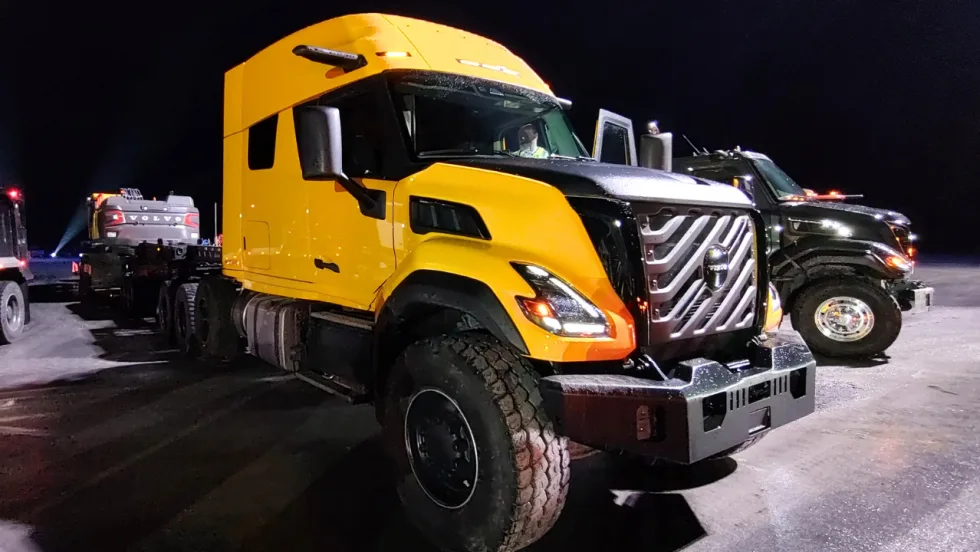
Volvo Unveils New VNX Heavy-Haul and Vocational Truck
Volvo Trucks has launched the VNX, a new vocational truck also available as a tractor in day cab and two sleeper configurations, with one heavy-haul model. The Volvo VNX is powered by Volvo's D13 platform, which delivers up to 540 horsepower and 1,950 pound-feet of torque and is EPA 2027-compliant.
Read More →
How GP Transco Cuts Trucking Fuel Costs, a Tenth of a Gallon at a Time
What’s another tenth of a mile per gallon worth? GP Transco shares how equipment upgrades and driver coaching turn small gains into meaningful fuel savings.
Read More →
Electric Yard Tractors Move Beyond Pilots
Operating-cost savings have overtaken sustainability goals as the leading reason surveyed fleets are adopting battery-electric terminal tractors, according to new NACFE research.
Read More →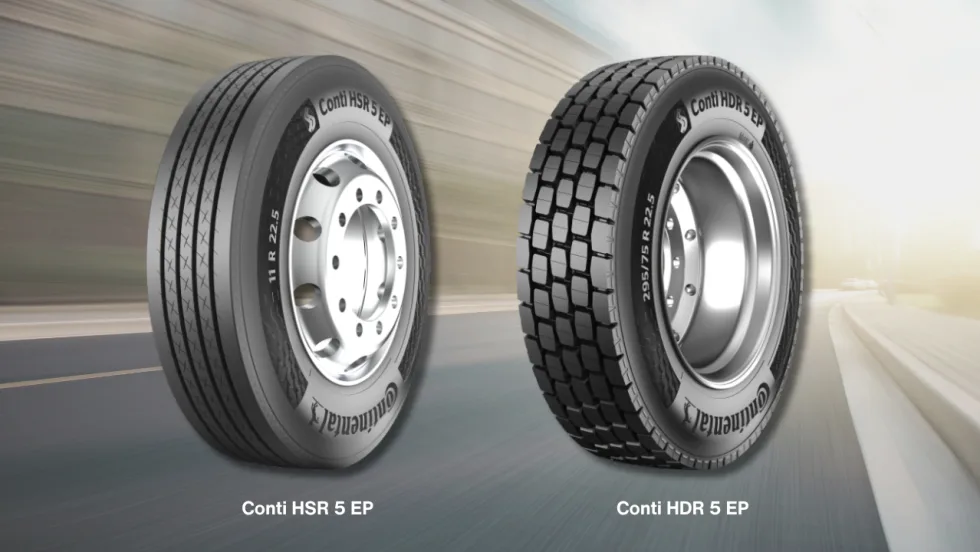
Continental Introduces New Regional Truck Tires
Continental says its new Generation 5 steer and drive tires for regional operations offer longer tread life, with estimated mileage gains of 22% and 19%, respectively.
Read More →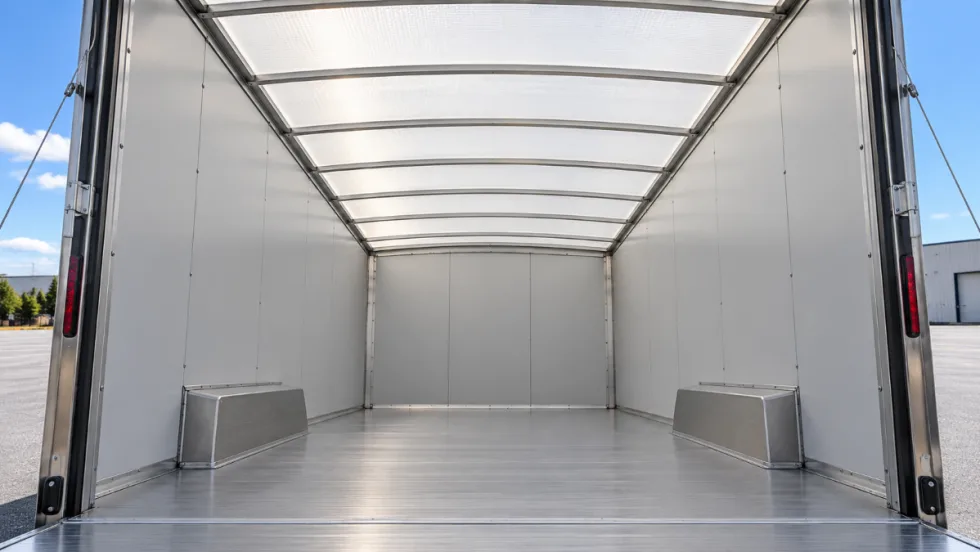
Tekmodo Introduces CargoBright Brand for Translucent Trailer Roofs
CargoBright is designed to diffuse daylight across the cargo area while performing as a working vehicle roof.
Read More →
Fleet Economics Shape Electric Truck Outlook
ACT Research expects costs, charging infrastructure, and technology improvements to drive zero-emission commercial vehicle adoption as federal regulations and incentives retreat.
Read More →
Kodiak Targets Dallas–Houston for Driverless Trucks
The company says its autonomous trucks are completing the I-45 run without a safety observer taking control. It plans to remove the observer by the end of 2026.
Read More →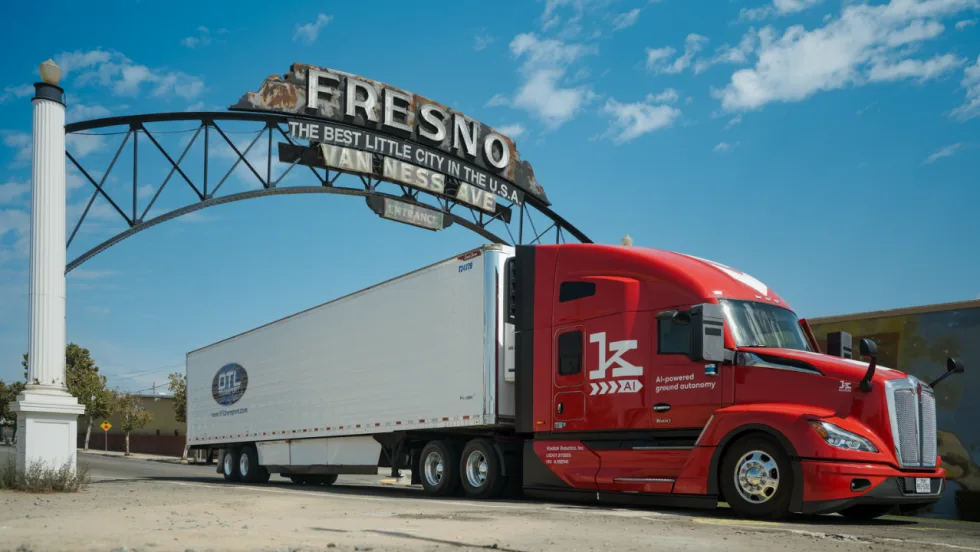
Kodiak Hauls Produce in California Autonomous Truck Pilot
Kodiak AI and DTL Transport have begun hauling produce between Fresno and Los Angeles under California’s new rules for testing heavy-duty autonomous trucks. A safety driver remains behind the wheel.
Read More →
Used-Truck Remarketing Math Is Changing
Used-truck value is no longer just a concern at trade-in. Decisions made throughout a truck’s first life can influence what it’s worth years later.
Read More →
How Volvo Updated Its D13 for EPA 2027 [Watch]
Volvo’s updated D13 promises lower emissions without sacrificing performance or fuel economy. Take a closer look at what changed inside the engine in this HDT Spotlight video.
Read More →