




Technology in the Truck: Changing the game
Most of us have done of these things manually for so long that the thought of automating can seem overwhelming -- something only the big boys do. Today, technology innovation has put automation within the reach of any carrier.
Most of us have done of these things manually for so long that the thought of automating can seem overwhelming -- something only the big boys do. Today, technology innovation has put automation within the reach of any carrier.
So how do you evaluate the strategies and technologies that can make it cost-effective and easy to automate your business? What should you keep in mind as you search for the right technology solutions?
Fuel Tax Automation: In Reach for Any Size Carrier.
How many of us are still using spreadsheets to manage fuel taxes? For years, the cost of fuel tax automation has been prohibitive for all but the largest carriers. Keeping track of data manually has always been a huge headache. And the more states you operate in, the harder it is to keep track. Meanwhile valuable time is spent each month on spreadsheets, calculations and reporting.
Today, instead of investing thousands of dollars in the hardware traditionally necessary for each truck, now carriers can spend a few hundred dollars on smart in-vehicle navigation devices that integrate directly with routing, planning and back office systems to calculate and track fuel taxes. Previous systems could cost $2,000 - $3,000 or more. Today, a smart personal navigation device from TomTom, integrated with the ProMiles system, can accomplish the same thing for an investment of about $400 per vehicle. This can represent a savings of up to 90% - making it possible for a carrier of any size to begin automating the fuel tax reporting process.
It's not only a matter of purchasing fuel in states that have the lowest fuel tax rates. Even more important is purchasing fuel at the lowest price. The best navigation and route mapping solutions will provide smart routing and real-time fuel information as well as fuel tax automation capabilities.
Simplifying the Auditing Process.
As recently as three years ago, using GPS data in the auditing process was almost impossible. Auditors did not have clear guidelines on how to use automated trip sheets and most carriers had to provide manual trip sheets even if things were logged automatically.
Today, technology can capture and record actual mileage and integrate it with your other systems, providing auditors with the most accurate mileage available. Removing the manual process - and capturing the actual audit trail is a huge cost and labor savings.
Visibility and Management.
Perhaps most importantly, integrated navigation/fleet management/route planning and back office systems can deliver a level of visibility and control that can have a huge impact on your business.
If you know where your drivers are, and what they are doing, you are better able to guard against behaviors like excessive idling, hard braking or steering, unsafe speeds or other actions that can impact fuel, maintenance or insurance costs. If you're able to integrate GPS and traffic avoidance solutions, you can cut down on these costs even more, potentially by 15 percent every month. Similarly, GPS and traffic avoidance solutions that are tightly integrated with route planning and dispatch products can increase the reliability of your ETAs and improve productivity.
Making it Work.
So what do carriers need to think about as they make technology investments focused in improving operations as well as automating some of their most time-intensive tasks? Greater visibility and accurate information, captured automatically, are key to making it work.
Some things to look for:
- Integration partnerships between route planning, navigation and other technology vendors;
- Accurate ETA calculations that take road conditions, traffic patterns and real-time events into consideration;
- Automated fuel tax calculations;
- Ability to monitor driver behavior;
- Accurate reports on mileage, idling and other factors.
Michael Geffroy is Vice President, North America, for TomTom Business Solutions. Chris Lee is Vice President of Marketing for ProMiles. The two companies are working together to integrate solutions for the trucking industry and deliver value to carriers of all sizes.
More Fleet Management
Freight Broker Bonds Just Got Harder to Get. Here's What That Means for Your Fleet.
When it gets harder for a freight broker to prove they are financially sound, the ones who cannot clear that bar get pushed out of the market. And those are exactly the brokers who used to leave motor carriers holding the bag.
Read More →
Long-Awaited Canadian Border Bridge to Open in Detroit
For trucking, the bridge opening should offer immediate improvements in efficiency and reliability, with new customs facilities, expanded inspection capacity, and direct freeway-to-freeway connections.
Read More →
Aurora Rolls Out Next Generation of Driverless Trucks for Commercial Freight
Aurora's latest autonomous trucks it's rolling out with International feature lower-cost hardware designed for a million miles as the company expands commercial driverless freight operations across the U.S. Sun Belt.
Read More →
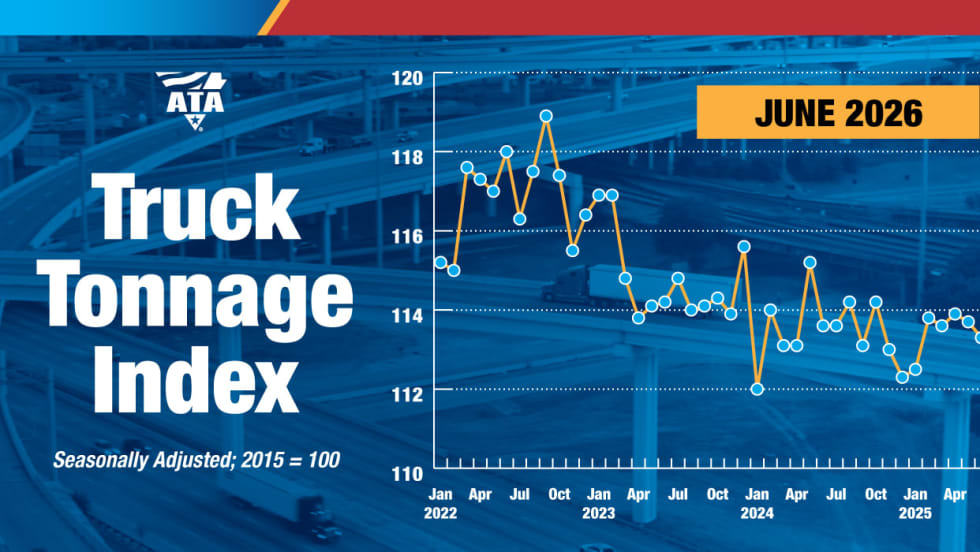
Freight Tonnage Down, Rates up, as Lower Capacity Powers Trucking Recovery
The recovery from the freight recession continues to be driven by reduction in capacity rather than by increased demand.
Read More →
Think Your Trucking Fleet Isn't Using Much AI? Think Again
Shadow AI — the use of unauthorized artificial intelligence tools at work — is becoming increasingly common, putting sensitive company data at risk. Learn how trucking fleets can protect sensitive data while embracing AI.
Read More →
ArcBest Consolidates Brands, Cuts Workforce
The company will bring three business units under the ArcBest brand, eliminate about 2% of positions, and expects the changes to generate $40 million in annual savings.
Read More →
Trucking Fleets Faced Record Operating Costs During Third Year of Freight Recession
ATRI's annual operational cost report shows carriers trimmed fleets, delayed equipment purchases, and ran older trucks as expenses continued to outpace freight rates.
Read More →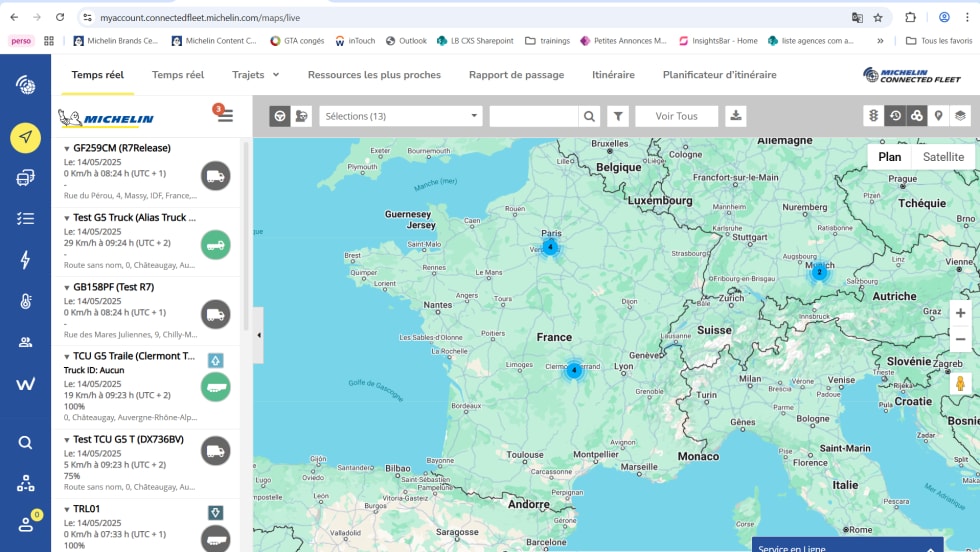
Michelin Adds AI Assistant to MyConnectedFleet Platform
Michelin’s new generative AI tool delivers instant fleet insights, helping managers analyze fuel use, tire maintenance, vehicle status, and operational performance without manually creating reports.
Read More →
LytxOne Platform Now Features AI, Compliance, and Asset Tracking Tools
New enhancements add AI-powered insights, asset tracking, compliance automation, and configurable privacy controls to Lytx's all-in-one fleet management platform.
Read More →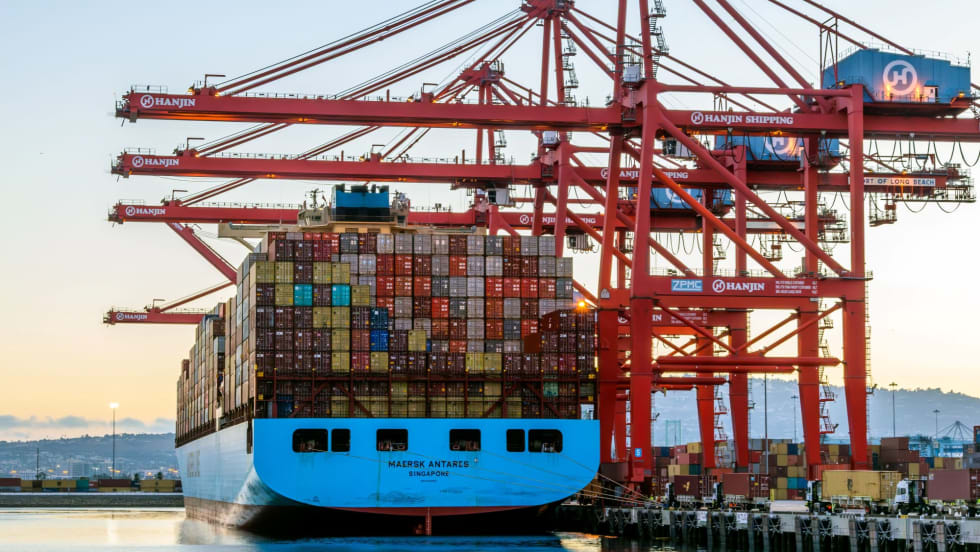
July Imports Poised to Set Container Record
The National Retail Federation projects July container imports will surpass the pandemic-era record as shippers frontload freight ahead of expected August tariff increases.
Read More →