




Technology for Cost Control: Report From the ALK Conference
There are indications that we are closer to the start of economic recovery - at least, the pace of decline is slowing - but John White, President of U.S. Xpress, is still waiting for inventory numbers to show a turnaround

There are indications that we are closer to the start of economic recovery - at least, the pace of decline is slowing - but John White, President of U.S. Xpress, is still waiting for inventory numbers to show a turnaround.
The inventory-to-sales ratio is the highest it has been since 2001, White said. In remarks at the ALK Transportation Technology Summit in late April, White said shippers are telling him that they will continue destocking their inventories, a sign that they are not seeing any increase in demand.
This number was at the core of a bleak overall assessment: gross domestic product down 2.7 percent so far this year, the worst since 1982; housing starts expected to stay low into next year; U.S. unemployment approaching 9 percent and rising.
White said he believes the trucking industry has lost about 15 percent of its total capacity. Some 45,000 trucking jobs were lost in the first quarter of this year. There were 3,065 bankruptcies last year - counting only fleets with five or more trucks - the highest in any 12-month period since 2001. The ATA For-Hire Tonnage Index fell 13.4 percent last year - "and we're not sure we've seen the bottom."
There is at least one positive, White said. Driver turnover has dropped significantly, probably because drivers who formerly jumped from one fleet to another in search of a better deal are now thinking that the grass is not necessarily greener. "That has helped us, but the reality is that it will not take much of an upturn to reignite the problem."
Fuel Prices
Fuel prices are the great unknown: "All it will take is a hurricane or some other disruption for things to get really bad," he said.
The drop in oil prices from their record high of $4.76 a gallon last July has in effect produced a $230 billion tax cut for the industry, White said. "But no one in the industry believes these prices will hold for long." He cited a forecast that shows the per-gallon price rising annually from today's $2.09 to over $4 by 2017.
"The reality is that diesel does not go as far as it did," he said - an observation that resonated with carriers who came to the ALK conference to get better at using onboard technologies to control fuel use, among other functions.
ALK offers fuel control, and other business solutions, with its CoPilot system, which integrates global positioning with routing and mapping systems and gives drivers turn-by-turn directions through an onboard computer or a cell phone.
Optimizing Routes
Other suppliers were on hand, as well. Among them was Benjamin Murphy, vice president of TMW Optimization Software, who noted that while carriers are good at designing their fuel networks based on supplier chains, locations and deals, many are not taking the next step of optimizing their routes to buy specific amounts at specific locations.
Prices can vary enormously across the country even within a network, and a decision-support system like ISDC's Expert Fuel can get a driver from one low-cost pump to the next, with room to take on more fuel, and save lots of money, Murphy said. White underscored the point with a testimonial: Expert Fuel saves U.S. Xpress millions of dollars a year, he said.
Down the Road
Looking further down the road for the next generation of fuel-saving technologies, ALK founder Alain Kornhauser talked about a data base he has that will provide a statistical forecast of how much time it will take for a truck to transit a particular stretch of road at a particular time of day on a particular day of the week.
By analyzing data collected from GPS-equipped vehicles, Kornhauser has built a map of the U.S. that can show historical speeds on given road segments. "What I want to generate out of this is two things," Kornhauser said. "One, the minimum expected travel time between any two points based on observed speed and, two, provide information as a function of day of week and time of day. I have the data to do that."
The practical outcome will be the ability for a fleet to pose a theoretical trip over specific routes at specific times and learn how much congestion it might expect, absent an abnormality such as an accident. The next step would be to layer real-time traffic information on to this historical base, for a complete congestion planning solution.
Kornhauser, a PhD who in addition to his role as ALK chairman is a professor of operations research and financial engineering at Princeton University, said he expects to begin testing the system for use with CoPilot and PC*Miler this summer.
From the June 2009 issue of Heavy Duty Trucking.
More Fleet Management
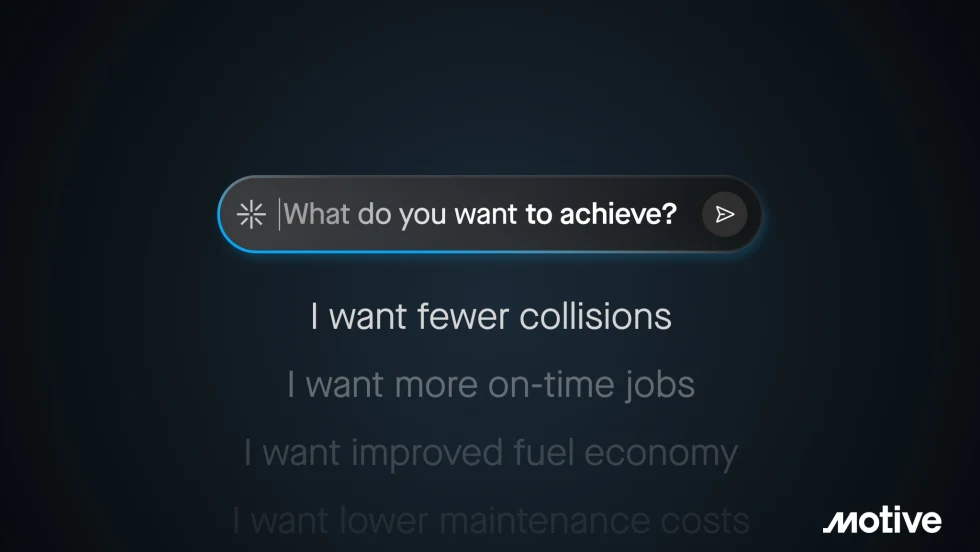
Motive Adds AI Agents for Fleet Operations
New tools automate follow-up on fleet data, from maintenance work orders to driver alerts, with two-way voice conversations planned for later this year.
Read More →
Can You Beat Our Trucking Trivia Challenge?
Test your truck knowledge with 19 trivia questions from Heavy Duty Trucking Exchange. Can you keep up with the fleet pros?
Read More →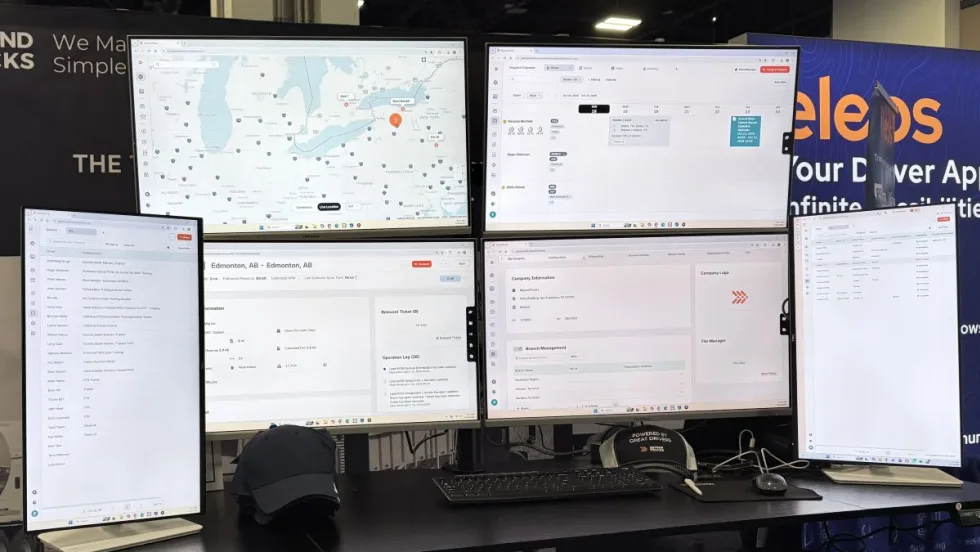
BeyondTrucks Adds Rules Checks to Dispatch
New Compatibility Engine checks driver qualifications, equipment requirements and fleet policies before loads are dispatched.
Read More →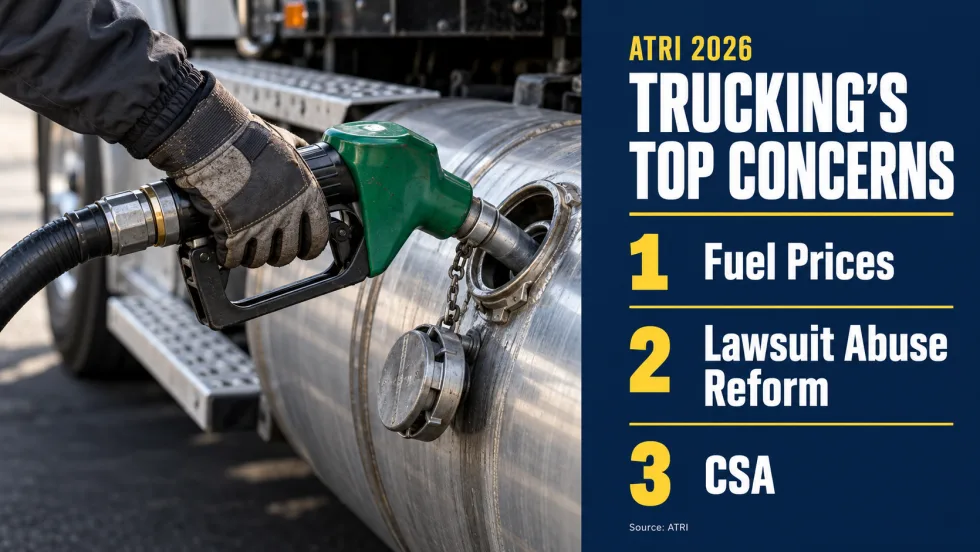
Diesel Prices Hijack Trucking’s Worry List
ATRI’s annual survey finds cautious optimism about freight, but diesel costs, litigation, and insurance continue to squeeze fleets. Drivers have different priorities on several issues.
Read More →
Nomination Deadline Extended for HDT Emerging Leaders
Just a few more days to nominate accomplished trucking fleet professionals under 40 who are making an impact and helping lead the industry forward for the HDT Emerging Leaders award. Deadline extended to October 20!
Read More →
What Will ATA’s New Leader Bring to Trucking's Table?
Incoming President and CEO Mark Colson’s record in Alabama offers clues about his priorities and approach following Chris Spear’s abrupt departure as the head of the American Trucking Associations.
Read More →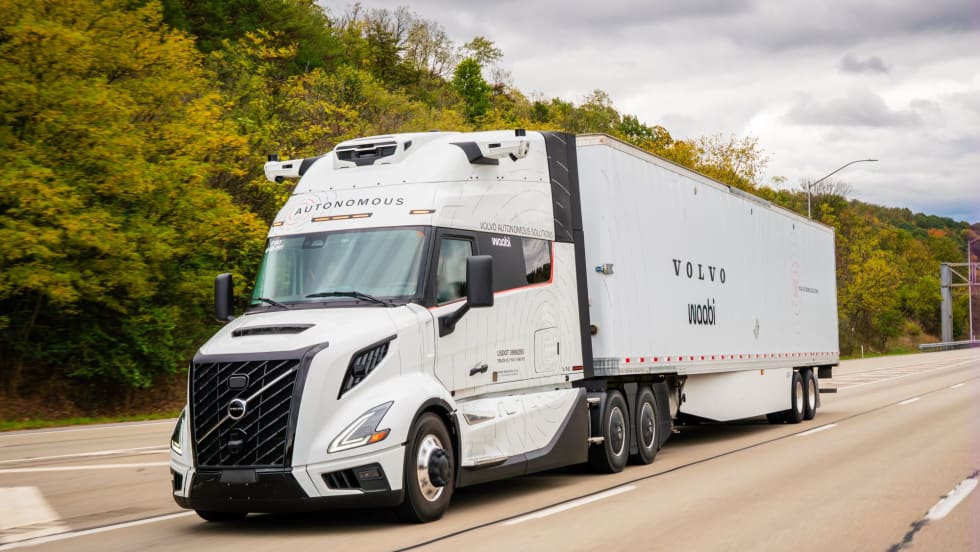
Volvo, Waabi Start Commercial Autonomous Operations in Texas
Volvo VNL Autonomous trucks, powered by the Waabi Driver, are hauling freight directly to third-party facilities for a customer in Texas.
Read More →
Samsara Launches Custom AI Agent Builder
Agent Studio lets fleets create AI tools for hours-of-service monitoring, reporting and driver support, including agents that communicate by phone.
Read More →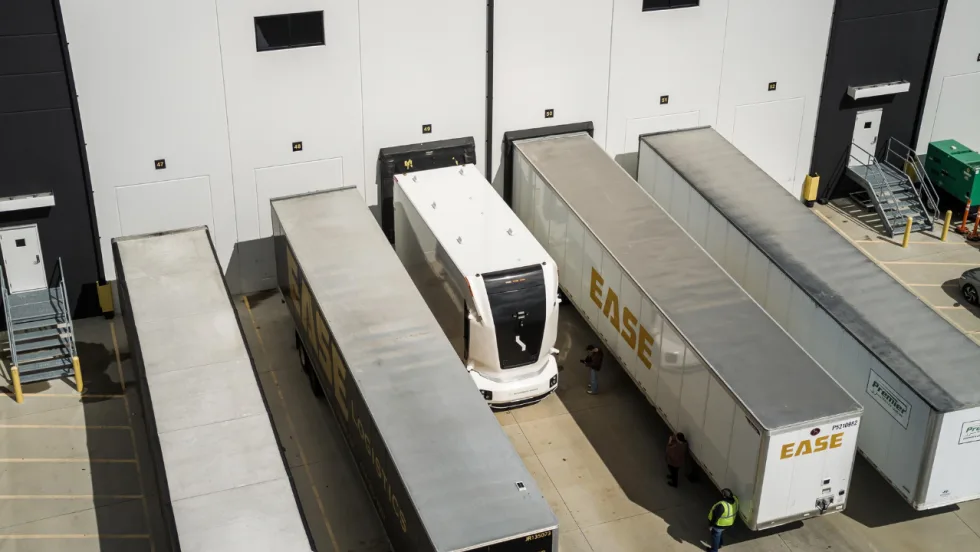
Einride Driverless Electric Trucks Begin Daily Freight Operations in Ohio
Two cabless electric trucks are hauling freight between EASE Logistics facilities in Marysville, Ohio, as part of a multi-state truck automation project.
Read More →
Geotab Links Fleet Card to Vehicle Data
The new card combines fuel discounts with telematics-based purchase controls. Geotab’s analysis also points to potential savings from choosing lower-priced fuel stops.
Read More →