





"I’m a firm believer that we have to get our technicians back to the basics in trucking. Because if we can’t make it from one oil change to the next, we’re going to be in trouble." – Jeff Harris
Q&A: TMC Chairman Jeff Harris to Focus on Technicians
This year's chairman of ATA's Technology & Maintenance Council says it all starts with truck technicians. Read our interview with USA Truck's Jeff Harris.
March 22, 2018

Jeff Harris, vice president, maintenance, USA Truck, is TMC's 2018 Chairman. Photo: USA Truck
5 min to read
Jeff Harris, vice president of maintenance at USA Truck, has been in trucking for almost three decades, since graduating from the Nashville Auto Diesel College in 1988. Today, the newly named chairman of the American Trucking Associations' Technology & Maintenance Council says he wants to build on the work of his successors while making even greater strides to promote diesel technicians as a career of choice for today’s young people. HDT caught up with him shortly after the TMC annual meeting in Atlanta.
HDT:How long have you been involved with TMC?
Harris: I’ve been an active member since 2006. I entered the trucking industry when I got a job at a small fleet – MS Carriers in Memphis, Tennessee, – 14 days after graduating from Nashville Auto Diesel College. We had 200 trucks at the time. And 13 years later, we’d grown that to 5,000 tractors. In 2001, we were bought out by a larger fleet, and the number of power units grew to 17,000. So I’ve been based out of the same office for 29 years, and just came on with USA Truck as vice president of maintenance last September.
HDT: What do you see as the primary challenges facing the trucking industry?
Harris: The need to fill positions on the maintenance side of things. Everybody talks about the driver shortage – which is a very important issue. But we’re having a tough time filling any maintenance position you can think of, from parts techs, to external breakdown technicians, to shop techs. We’re really struggling to find people.
HDT: How do you plan to tackle that issue?
Harris: I’ll start by following up on the chairmen who have worked on this issue before me. I’d like to expand on our existing strategy to reach out to younger children and catch their attention while they’re still in grade school. And I think we need to do a more aggressive job using social media and television to promote the idea that being a diesel technician is an exciting field to enter, with new technology coming into it almost daily, it seems. And we really need to drive the point home that that is a field a young person can enter without taking on a ton of student loans in the process. Right out of high school they can learn a trade that can help them succeed through many of life’s challenges. It’s like that ad for insurance on TV today: You don’t want to be the guy who doesn’t know what a tire wrench is. You want to be the person who can get out of any mechanical challenge life throws at you. Trucking is really one great big family. And we need to get the next generation interested and involved in it.

Jeff Harris, vice president, maintenance, USA Truck, is TMC's 2018 Chairman. Photo: USA Truck
HDT: Speaking of technology, how do you intend to help TMC steer through the many changes the industry faces today?
Harris: Changes come in phases. We need to remember that and the fact that we’re not going to have to deal with everything all at once. Like right now, we’re getting introduced to assisted driving technology, that builds on predictive cruise control and advanced safety systems. I’ve driven one of these systems, and they are impressive. It can be tough to stay on top of the latest technology. But I’m a firm believer that we have to get our technicians back to the basics in trucking. Because if we can’t make it from one oil change to the next, we’re going to be in trouble.
HDT: Do you think we need to be thinking about the role of technicians today? Is that changing?
Harris: We need guys who can do brake and oil jobs, as well as guys who can troubleshoot 10 different electronic control modules on a truck and use 10 different types of software to get them up and running again.
HDT: Can vocational schools deliver on that need?
Harris: So many schools today are using older, donated equipment to train their students on. And that’s good in that they’re learning the basics. But the newest technology simply isn’t making it into the schools today. And we really need to get the entire industry – and particularly the OEMs – involved in that effort. The schools are doing everything they can. I hire graduates every day – and I won’t turn them down, because we need them. But education on the more high-tech repairs today is coming solely from the fleets.
HDT: The TMC chairman typically has to deal with legislative issues as well. Are you looking forward to that aspect of your tenure?
Harris: People think this is a departure for us. But the reality is that the maintenance side of a fleet operation is also the police force for your entire operation. Pretty much any legal or DOT requirement you can name eventually comes down to maintenance – whether you’re talking about ELDs, hours of service, CVSA – you name it. So this is something I’m used to dealing with and look forward to working on.
HDT: The annual meeting in Atlanta that just wrapped up seemed bigger than ever.
Harris: That’s because it was! We had 4,700 registered for that show – which is a new attendance record. And it’s great to have everyone coming in like that are today with a large exhibition hall and all the vendors. But you know, for us older TMC guys, this has always been a maintenance-focused meeting. So one thing I want to do is encourage everyone that attends participate in what we do, which is create good maintenance practices for American trucking fleets.
Subscribe to Our Newsletter
More Maintenance
International Launches Online Truck Parts Store
Fleetrite.com lets fleets and repair shops find OEM and all-makes parts, check prices and availability, and order without calling a parts counter.
Read More →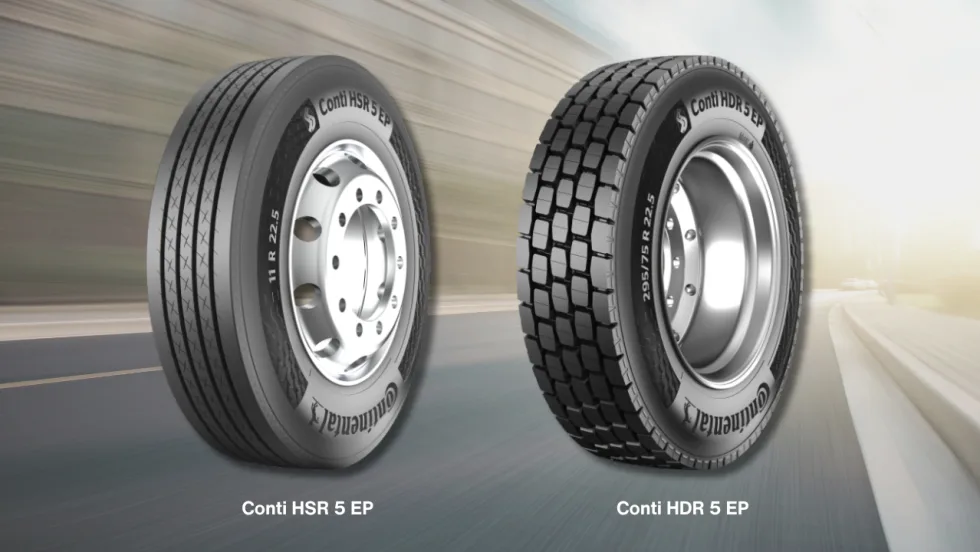
Continental Introduces New Regional Truck Tires
Continental says its new Generation 5 steer and drive tires for regional operations offer longer tread life, with estimated mileage gains of 22% and 19%, respectively.
Read More →
Sponsored•October 1, 2026
How AI Can Help Your Techs’ Efficiency
The technician shortage isn't going away, and no single fix can close the gap on its own. Trent Broberg makes the case that AI's real job in the shop is protecting the billable hours and job satisfaction of the techs you already have, not asking them to work faster.
Read More →


Sponsored•September 16, 2026
Color Match Smarter: Tools That Restore & Perform
For fleet managers and collision repair professionals keeping heavy-duty trucks on the road, getting the color right the first time isn't just about appearance — it's about efficiency, turnaround time, and bottom-line results. Discover how today's digital color tools are transforming the repair process from guesswork to precision.
Read More →
Wrong Repair Prompts Recall of Freightliner, Western Star 4x2 Trucks
DTNA is recalling more than 2,400 trucks that received an incompatible software fix instead of the hardware repair required to address brake valve corrosion.
Read More →
Truck Drivers Need More Than Another Alert
Fleets have more visibility into truck health, safety events, and driver activity than ever. The next challenge is turning all that information into useful guidance for the person who has to decide what to do next.
Read More →
The Maintenance Checks Trucking Fleets Should Prioritize Before Fall Freight Picks Up
Making it through August isn’t the same as being ready for the next several months of operation. Find out what systems may have suffered from summer heat and need to be checked out before fall.
Read More →
What Three Fleets Are Doing Differently When Buying Truck Parts in 2026
With freight improving but costs still climbing, fleet maintenance executives explain how they're balancing price, quality, and supplier relationships.
Read More →
Paccar Recalls 2027 Trucks Built This Summer for Possible Electrical Problem
The nearly 6,000 Kenworth and Peterbilt trucks in the recall could potentially lose engine power, among other things.
Read More →
Could New Engine Oils Mean Longer Drain Intervals?
New CL-4 and FB-4 engine oils are coming in 2027. Foodliner wants to know whether they could support longer oil drains, but it won’t change its maintenance schedule without data from its own trucks.
Read More →