




How to Prevent Flat Tires
A driver picks up a trailer from a drop yard. Before departing, the driver does a walk-around inspection, kicks the tires, checks the lights and then sticks it into the wind. He or she has no idea how much air pressure is in those tires, except to be fairly sure none of them is flat — visibly flat, that is. Any one or several of those tires could be underinflated, or even technically flat.

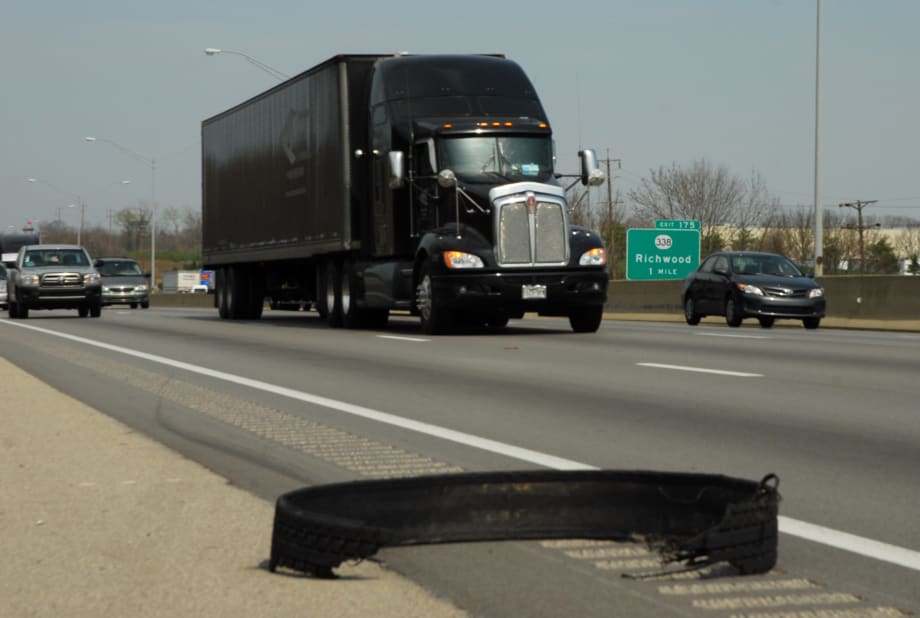
Once the tread comes off, a blowout won't be far behind. You're down, with a $1,000 repair bill to show for it.
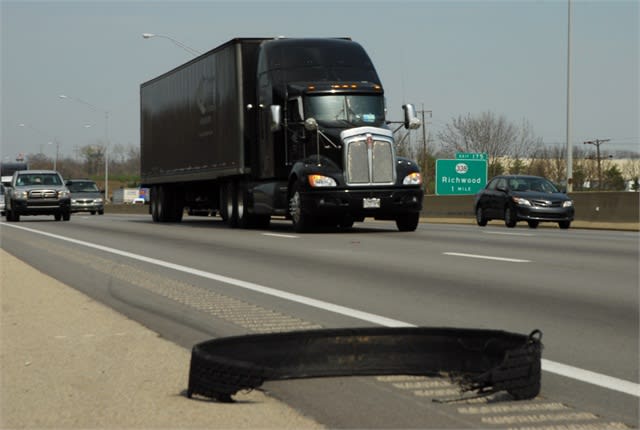
Once the tread comes off, a blowout won't be far behind. You're down, with a $1,000 repair bill to show for it.
A driver picks up a trailer from a drop yard. Before departing, the driver does a walk-around inspection, kicks the tires, checks the lights and then sticks it into the wind. He or she has no idea how much air pressure is in those tires, except to be fairly sure none of them is flat — visibly flat, that is. Any one or several of those tires could be underinflated, or even technically flat.
An hour or two down the road after loading, ka-blooey! Chunks of hot rubber are flying everywhere and the driver faces a couple of hours of downtime. The fleet could be looking at a repair bill close to $1,000.
All that over a few measly pounds of air pressure.
Flat tires are more than a little annoying, but blowouts are expensive, mission-critical failures that cost a great deal of money. The trick is to prevent the former from causing the latter.
“You don't go from properly inflated to a blowout instantaneously unless you hit something on the highway,” says Curtis Decker, manager of product development at Continental Tire. “We estimate that about 80% of the roadside tire failures are a direct result of creeping air loss.”
In other words, 80% of blowouts could be prevented if tires were kept properly inflated.
There is a well-founded expectation that tires will lose 2% of their inflation pressure, by volume, over about 30 days, even when the casing, the valve stem and the tire bead/ rim flange contact area are in perfect condition. The problem with that line of thinking is that people are inclined to say, I guess I only need to check my tires about once a month. Wrong.
Decker says it's uncommon to find a perfectly sealed tire/wheel assembly, so the actual rate of seepage could be as high as 2% per week, or 2% per day if there are other irregularities, such as puncture wounds from nails, a contaminated rim flange or bad valve stem.
“If you build your tire maintenance practices around what you're told is normal air loss, you're going to get caught on the back side of the curve,” he says. “At best, you'll see irregular wear related to inflation, poorer fuel mileage, etc. At worst, the tire will blow out because it has been run flat and damaged by excessive sidewall flex and deterioration of the rubber compounds.”
Painless tire maintenance
There's a rather strange conundrum in trucking: Everybody knows about the costs and risks of running underinflated tires, and almost everybody is aware of the many proactive measures they could take to prevent or monitor inflation loss, yet uptake on such products remains low.
We have tire pressure monitoring systems that offer everything from basic indications of low tire pressure all the way up to systems that build tire profiles and populate databases with information about the life of the tire on an almost hour-by-hour basis. There are also inflation systems that top up tire pressure automatically and invisibly, and there are technologies that automatically seal tires in the event of a puncture.
Keeping air in your tires is much less of a chore than it once was, but it comes at a cost. Decker says the challenge has been getting drivers and fleets to see the value of the upfront investment in such technology rather than experience the pain of a roadside tire failure.
“It's the human propensity to be reactive rather than proactive, and that even goes for cost justification,” Decker says. “Drivers will weigh the cost in time of manually checking pressure of up to 18 tires versus the risk of postponing that chore as long as possible. On the other hand, the fleet or driver could make an upfront investment in technology to do that job for them. It then becomes a case of watching the money you'd pay for such a system physically leaving your wallet, versus the expectation that you'll get away with not checking tire pressure just one more time.”
Eighty percent of blowouts could be prevented if tires were kept properly inflated.
Of course, air doesn't just leave a tire on its own. Punctures are inevitable, but Goodyear's DuraSeal can take care of that for you as well. DuraSeal is a layer of gel-like rubber material that is built into the tire casing between the liner and the body ply that will automatically seal holes up to 1/4-inch in diameter.
Donn Kramer, Goodyear's director of marketing for commercial tires, says DuraSeal is integrated into the tread face section of the tire casing, and it won't affect retreading potential or leak out of the tire.
“The long-term value of DuraSeal is that it extends casing life by preventing casing damage,” he says. “Short term, it prevents flat tires due to punctures. Taken together, it will keep tires inflated under conditions where a flat would normally sideline a truck, and because it prevents run-flat situations, it prevents casing damage.”
There are also a number of after-market tire sealants that have proven effective, but they have to be removed from the tire before servicing and can be pretty messy.
With three technologies to choose from — tire pressure monitoring to warn fleets and drivers of a pressure loss, automatic inflation systems that keep tires inflated to a preset pressure, and sealants that prevent air loss due to punctures — there's more than one way to tackle the inflation challenge. The fourth, of course, is regular tire pressure checks and inflation top-ups.
Each option comes at a cost, but each offers a measurable return on investment. Kramer says the best way to prove the ROI is to have a good tire management system to begin with to track costs and failure causes.
“Once you know what's happening to your tires and how much it costs you, it's easier to choose a technology to tackle your problem,” he says.
That's especially true with wide-base single tires. If one of those goes down, the truck is down, and if it blows out, the wheel is at risk as well.
It's astonishing that such an easy solution with quantifiable returns exists to help prevent 80% of the blown-out tires, yet every day more fleets scatter their profits all over the highways of the nation.
Keep up the pressure
Even with all the technology we can throw at tires today, the most basic, yet the most important, is maintaining adequate inflation. “If a fleet has nothing else but a good air-pressure maintenance program, it will reap substantial benefits over having no program at all,” says Doug Jones, customer engineering support manager, Michelin Americas TruckTires.
It needn't be elaborate, but it has to be consistent, Jones says. Listed below are his top 5 steps to good tire inflation management.
The fleet tire-management program should be written, communicated, monitored and enforced. Appoint someone to check the tire pressures.
Establish target pressures and maintain them with calibrated air pressure gauges and trained employees willing to diligently check the pressures.
Conduct regular yard checks or tire pressure audits, document the results and take appropriate action.
Establish a routine for tire maintenance and inspections, including tire rotation, vehicle alignment and wheel and valve cap service.
Consider outsourcing tire management. If you don't have the time or resources to set up and run a maintenance program, there are many reliable outlets that can help.
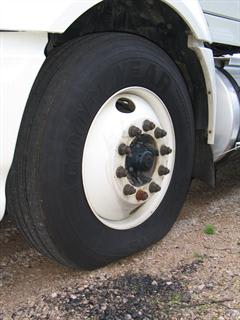
By TMC's proposed definition, a tire would be considered under-inflated if its hot inflation pressure is less than 70% of the maximum inflation pressure stamped onto the sidewall of a tire.
How flat is flat?
We're all a little guilty of throwing the “F-word” around without a precise definition. You'll actually find several correct definitions, depending on who you ask.
The Rubber Industry Association considers a tire “run flat” if it has been run at less than 20% of the recommended inflation pressure. For a dual tire in a tandem axle group at full legal load, the recommended minimum inflation pressure would be between 75 and 80 psi. For a steer tire on a highway tractor, the minimum is about 105 psi under full legal load.
RI A's concern stems from possible damage to the sidewall caused by excessive flexing when underinflated, which can result in a nasty zipper rupture.
The enforcement community considers a tire to be flat if the pressure is less than 50% of the maximum cold pressure stamped on the sidewall (usually 120 psi).
In an effort to stem some of the confusion arising from all these standards, last fall theTechnology & Maintenance Council of the AmericanTrucking Associations adopted a reference it hopes the Commercial Vehicle Safety Alliance will adopt for enforcement purposes.
Briefly, by TMC's proposed definition, a tire would be considered under-inflated if its hot inflation pressure is less than 70% of the maximum inflation pressure stamped onto the sidewall of a tire. The tire would be considered flat if the pressure is less than 50% of the maximum indicated inflation pressure.
For truck operators, a flat tire is one whose inflation pressure is low enough to cause unreasonable delays and all sorts of grief and expense.
More Maintenance
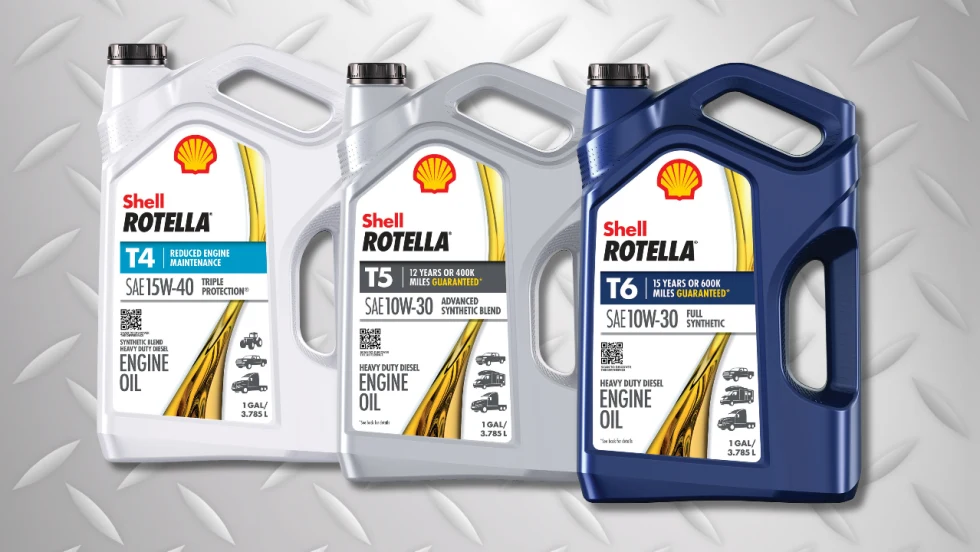
Shell Prepares Rotella Oils for 2027
New CL-4 and FB-4 formulations will begin arriving in early 2027, with improved protection against oil breakdown, wear and deposits, according to Shell.
Read More →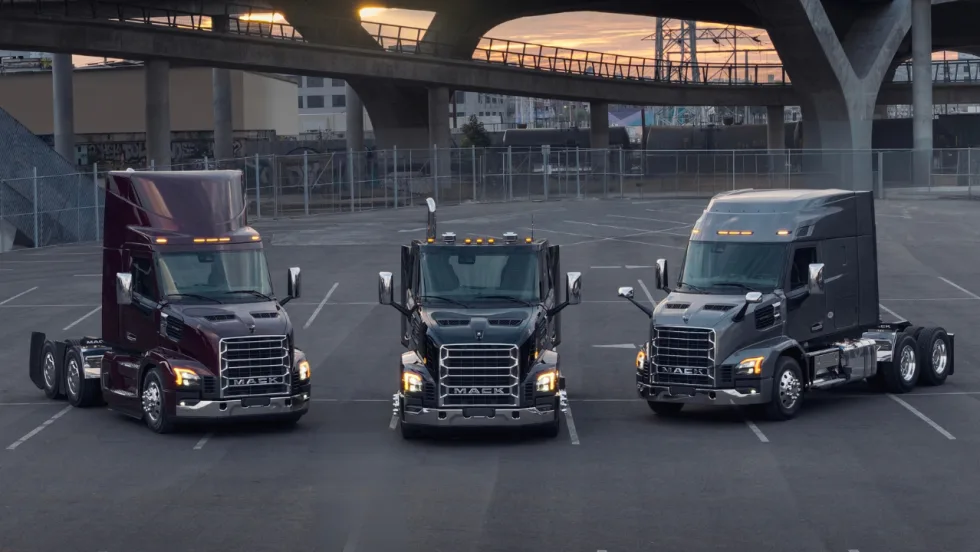
Mack Expands Extended Coverage With Four Chassis System Plans
Mack Trucks' new system-specific coverage options allow heavy-duty fleets to select protection for driveline, cab, HVAC, electronics, and advanced safety components.
Read More →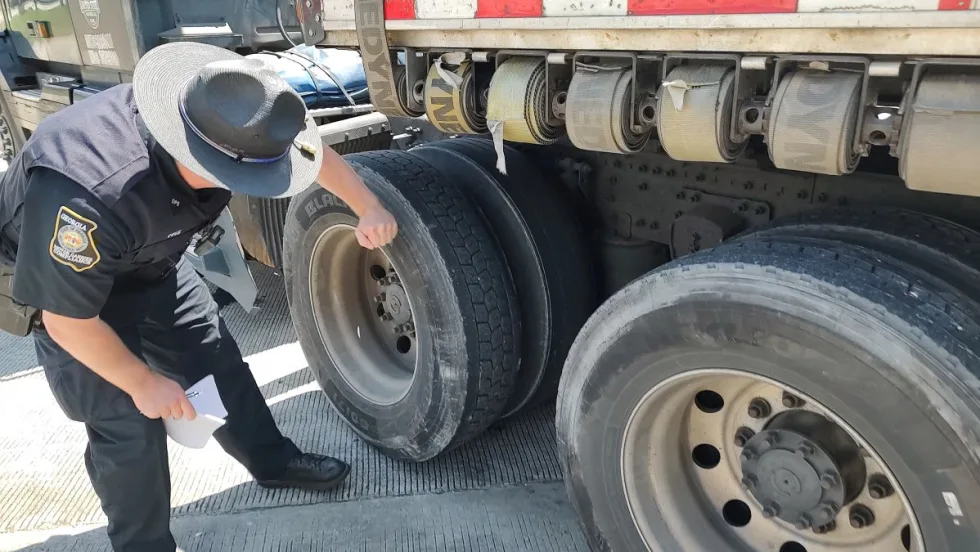
What an Out-of-Service Order Really Costs, and How to Plan for One
The repair invoice is the first number you see — and often one of the smallest. Here’s what else an out-of-service order can cost a fleet, and how planning can reduce the damage.
Read More →
International Launches Online Truck Parts Store
Fleetrite.com lets fleets and repair shops find OEM and all-makes parts, check prices and availability, and order without calling a parts counter.
Read More →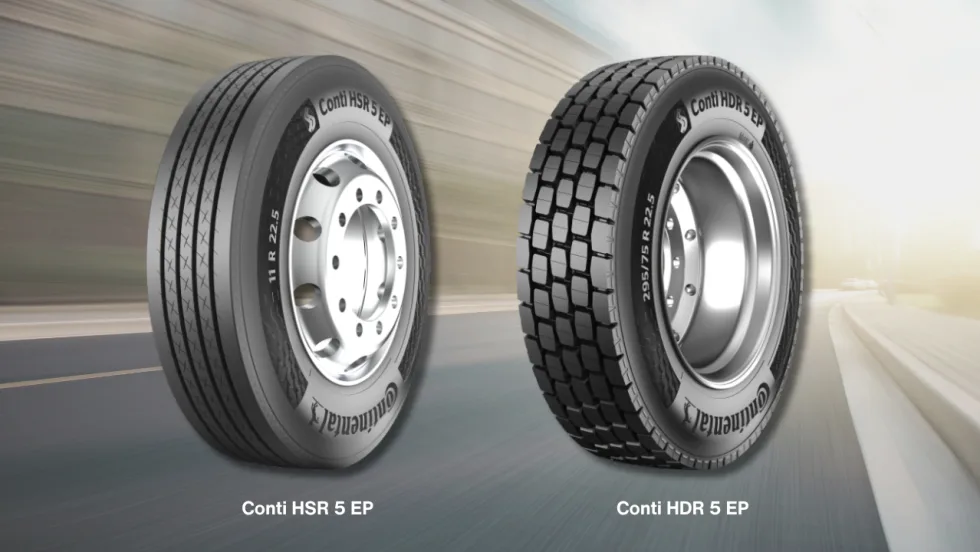
Continental Introduces New Regional Truck Tires
Continental says its new Generation 5 steer and drive tires for regional operations offer longer tread life, with estimated mileage gains of 22% and 19%, respectively.
Read More →
How AI Can Help Your Techs’ Efficiency
The technician shortage isn't going away, and no single fix can close the gap on its own. Trent Broberg makes the case that AI's real job in the shop is protecting the billable hours and job satisfaction of the techs you already have, not asking them to work faster.
Read More →
Color Match Smarter: Tools That Restore & Perform
For fleet managers and collision repair professionals keeping heavy-duty trucks on the road, getting the color right the first time isn't just about appearance — it's about efficiency, turnaround time, and bottom-line results. Discover how today's digital color tools are transforming the repair process from guesswork to precision.
Read More →
Wrong Repair Prompts Recall of Freightliner, Western Star 4x2 Trucks
DTNA is recalling more than 2,400 trucks that received an incompatible software fix instead of the hardware repair required to address brake valve corrosion.
Read More →
Truck Drivers Need More Than Another Alert
Fleets have more visibility into truck health, safety events, and driver activity than ever. The next challenge is turning all that information into useful guidance for the person who has to decide what to do next.
Read More →
The Maintenance Checks Trucking Fleets Should Prioritize Before Fall Freight Picks Up
Making it through August isn’t the same as being ready for the next several months of operation. Find out what systems may have suffered from summer heat and need to be checked out before fall.
Read More →