




New York City Ready-Mix Company, Ferrara Bros., Goes Green with CNG Mixers
Ferrara Bros., a New York City ready-mix company, is helping to lead the concrete industry with compressed-natural gas-powered mixer chassis
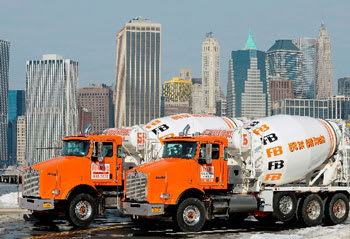
Ferrara Bros., a New York City ready-mix company, is helping to lead the concrete industry with compressed-natural gas-powered mixer chassis.
Marketed by the McNeilus Companies, which makes the mixer bodies, the Kenworth chassis are fitted with 8.9-liter Cummins ISL G engines.
The trucks, which have only been on the road for two months, are among the first CNG mixers in the country, and according to Joseph Ferrara, owner and president of Ferrara Bros., they are working well so far.
"They cost significantly less to operate," said Ferrara, noting the trucks are also cleaner and much quieter. "I have not heard anything negative [from drivers], except that it takes a little longer to fuel."
Ferrara declined to comment on the total cost of the trucks, which are significantly more expensive than diesel mixers. However, he said lower maintenance and operational costs in addition to rebates and incentives offset that premium quite a bit. In the long run, the trucks are expected to be a money saver. Bob Gartman, vice president of fleet maintenance, said that the company will also be equipped to deal with tightening emissions regulations and avoid expensive retrofits. He sayshe can rub a piece of white paper inside the exhaust pipe and it will come out clean.
"I probably would have switched to them sooner," said Gartman. "The only thing holding me back was payload [capacity], which has improved."
Ferrara Bros. has been a family-owned business since 1969. The company currently owns 80 trucks and supplies concrete to a range of projects, but focuses on the public sector. Currently the company supplies concrete to the reconstruction of Ground Zero and the new subway among many other projects.
Aside from allaying the safety concerns of some skeptical drivers, integration into the fleet was smooth. As far as daily operation, the trucks work virtually the same as a traditional mixer. Drivers had to attend an hour-long safety course, which mostly concerned the refueling process. The biggest issue, access to a CNG refueling station, was conveniently solved: Regional energy company Con Edison happens to operate a station directly opposite one of Ferrara Bros.' four locations.
Of the 16 new trucks purchased by Ferrara Bros., only two were CNG. Ferrara said he wanted walk before trying to run. Because the trucks have only been in use for a few months, it's too early to predict future CNG purchases within the fleet. However, Ferrara is taking a positive attitude toward future investments.
"I definitely see us doing more of it," Ferrara said. "Our plants are spread throughout the city, but as more fueling stations become available we will certainly look to expand."
Given New York's state and municipal efforts to encourage CNG, access to more stations seems a sure bet. Through the New York State Energy Research and Development Authority, 300 CNG taxis are already in use in the city. PlaNYC, a municipal sustainability effort, has also implemented several dozen CNG-powered work vehicles and has plans for more. As the number of vehicles continues to grow, fueling stations will almost certainly grow in parallel.
In the meantime, Ferrara Bros. has received industry attention as an early adopter of the new technology. One of the trucks was shipped to Las Vegas for display at ConExpo/ConAgg, an exhibition of the concrete and aggregate industry.
From the April 2011 issue of HDT.
More Fuel Smarts

Record Diesel Prices Squeeze Trucking Fleets
Average U.S. diesel prices have climbed to nearly $6 a gallon, surpassing the 2022 record as tight refinery capacity and Middle East disruptions keep fuel costs elevated.
Read More →
How Fuel Delivery Shapes Engine Performance
Fuel delivery depends on more than what happens at the injector. For fleet, maintenance and technical professionals, looking at the full path from pump to injector can provide useful context for understanding engine performance.
Read More →
East Coast Port Launches $45M Electric Truck Push
The Port Authority of New York and New Jersey announced millions in incentives for zero-emission drayage trucks, yard tractors, and new charging hubs near the port.
Read More →

California Bill Could Shed Light on Electric Truck Prices
Why do battery-electric Class 8 trucks remain so expensive? A California bill headed to Gov. Gavin Newsom would give fleets and state agencies more visibility into what manufacturers charge.
Read More →
Detroit Opens Orders for EPA 2027 Engines
Detroit isn’t starting from scratch to meet EPA 2027 diesel emissions standards. Its Gen 6 DD13 and DD15 engines keep much of today’s platform while updating the fuel and aftertreatment systems.
Read More →
Zero-Emission Truck Corridor Planned for West Coast
California, Oregon, Washington, British Columbia and Baja California are coordinating plans for truck charging and hydrogen fueling from Canada to Mexico.
Read More →
A Closer Look at Kenworth’s Electric T880E Vocational Truck [Video]
Learn more about Kenworth's T880E battery-electric vocational truck at the Paccar Technical Center, including its range, applications, upfitting considerations, and PTO options, in this HDT Spotlight video.
Read More →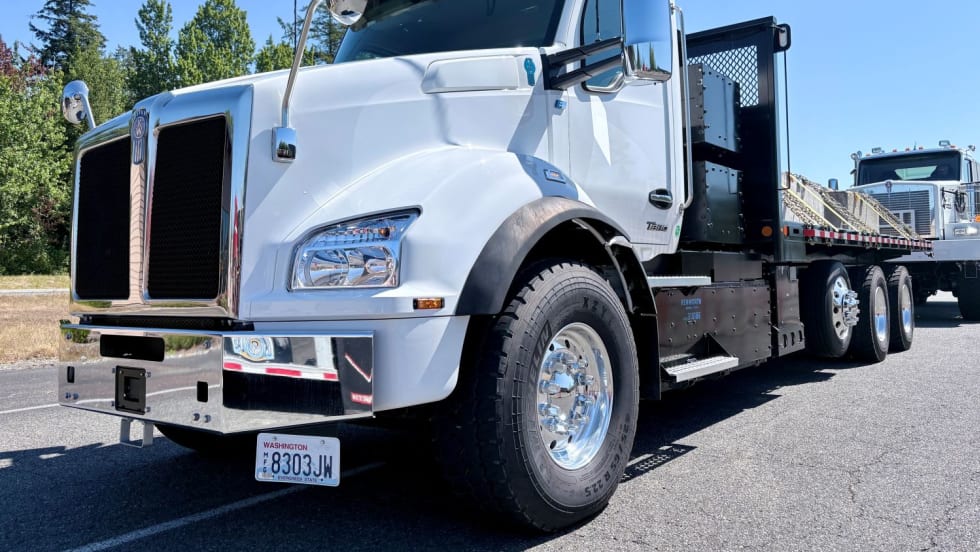
Kenworth T880E Brings EV Power to Vocational Trucks
A closer look at the Kenworth T880E’s range, charging, powertrain and upfit options — and where fleets are showing the most interest.
Read More →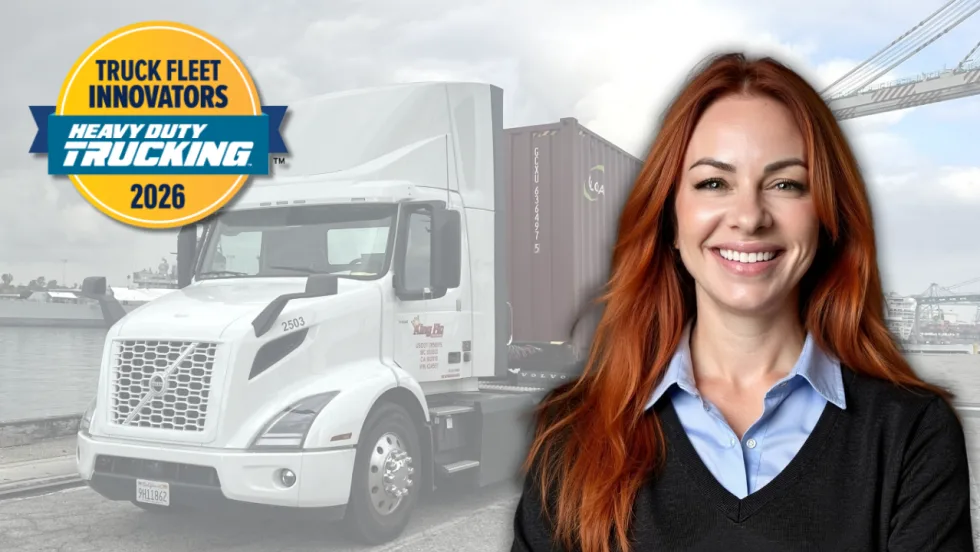
Jennie Abarca Is Proving Electric Trucks Can Do the Job
HDT Truck Fleet Innovator Jennie Abarca is building confidence in fleet electrification one load at a time while openly sharing the challenges she encounters along the way as a small-fleet owner.
Read More →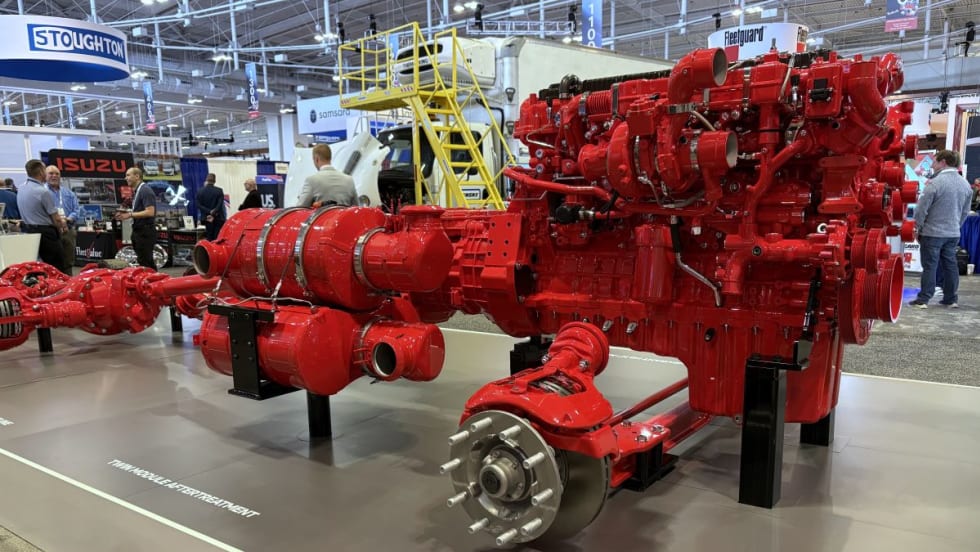
Cummins Adjusts 2027 Engine Rollout After EPA Proposal
The engine maker will gradually introduce its new Model Year 2027 diesel engines while continuing to offer current models during the transition, citing the EPA's proposed emissions rule changes.
Read More →