




“If the brake is out of adjustment, do not adjust the automatic slack adjuster – I can’t emphasize this enough."
Maintaining S-Cam Foundation Brakes
S-cam drum brakes are a familiar sight to every wheel-end technician in the North American trucking industry. These preventive maintenance guidelines can elevate the effectiveness of regular brake jobs.
by Bendix Commercial Vehicle Systems
July 1, 2015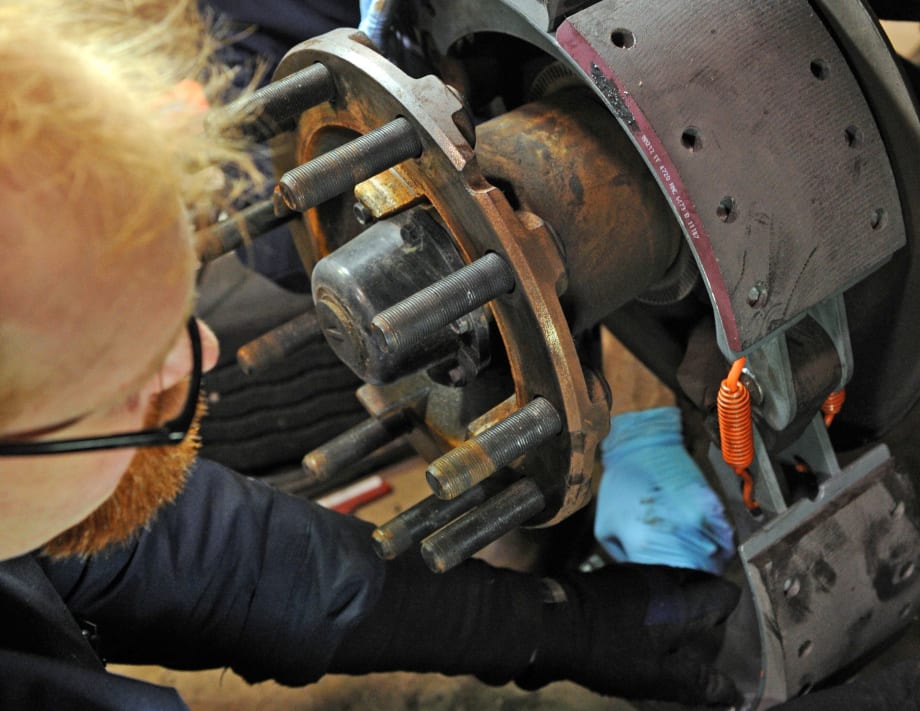
Photo courtesy of Bendix
6 min to read
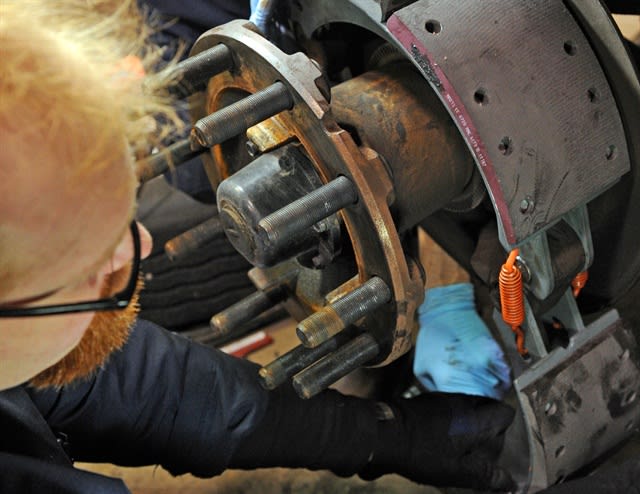
Photo courtesy of Bendix
S-cam drum brakes are the most common air foundation brakes on the road. They are a familiar sight to every wheel-end technician in the North American trucking industry. The right preventive maintenance can elevate the effectiveness of regular brake jobs.
“It’s easy to view preventive maintenance as a quick adjustment, grease job, and new brake pads, but there’s much more to it,” said Kevin Pfost, technical service coordinator, Bendix Spicer Foundation Brake. “Paying attention to a few key details during a routine brake job can have a major impact on keeping trucks on the road and in good working condition, reducing maintenance costs, and improving safety.”
Free Play and Brake Stroke
Tools are available for measuring a brake’s free play and stroke, as well as the do-it-yourself method of cutting a short segment of tape measure and attaching a magnet to one end. Place the tape measure against the face of the brake chamber and position it to measure the travel of the pushrod at the center of the large clevis pin.
Use a tool such as a small pry bar to move the slack adjuster and check the brake’s free play – how far the center of the large clevis pin moves before the brake shoes come in contact with the drum. Free play should be between 3/8 and 5/8 of an inch. If free play falls below the minimum or exceeds the maximum, inspect all brake components for damage or out-of-spec conditions. Free play should be the same across all brakes on a system.
To measure brake stroke, bleed the air system down to between 90 and 100 psi, and note the center of the clevis pin’s position on the ruler. Next, either have someone fully apply the brakes and hold the pedal down, or wedge the brake pedal in the fully applied position. This will actuate the brakes between 90 and 100 psi. Note the new position of the center of the clevis pin on the ruler. The distance between the two marks indicates the brake’s power stroke. The maximum allowable power stroke varies depending on the chamber size and type.
Brake stroke is one of the key measurements during roadside brake inspections such as the Commercial Vehicle Safety Alliance’s annual Brake Safety Week campaign: In September 2014, more than one in 10 vehicles inspected was placed out of service due to brakes being out of adjustment.
“If the brake is out of adjustment, do not adjust the automatic slack adjuster – I can’t emphasize this enough,” Pfost said. “There are many factors that can cause an automatic slack adjuster to overstroke, but none will be remedied by a manual readjustment. Manually adjusting an ASA involves working against its internal back-off clutch, which can impact the life of the adjuster. Refer to the manufacturer’s instructions and mechanism tests to determine whether the slack adjuster is properly adjusting the brake.”
Another important note on brake chambers and slack adjusters: There are two common types of brake chambers – standard and long stroke – as well as two common sizes of slack adjusters (5.5 inch and 6 inch, as measured from the center of the cam shaft to the center of the clevis pin). For both regulatory and brake performance reasons, all slack adjusters and air chambers on any given axle must be the same type and size.
Greasing and Seals
When greasing brakes, it’s important to grease the brake to capacity. Putting in less grease than is needed to fill all interior gaps can lead to condensation forming inside the brake components, which may cause rust and corrosion. Seals inside the cam tube are engineered to let excess grease out of the area, meaning new grease should be added until any dirty grease or condensation is visibly purged out of the end cam tube near the slack adjuster.
Grease purging at the opposite end of the cam tube, near the S-cam head, indicates a bad grease seal that must be replaced. Grease purged at the cam head can drop into the brake drum, contaminating the drum and lining, and impacting brake performance.
Brake Jobs: More Than Friction
Check the lining wear: If it’s time to do a brake job and replace the friction, it’s time to check the cam bushings and shims as well.
After removing the wheel and brake drums, disconnect the slack adjuster from the chamber clevis by removing the clevis pin. Remove the dial indicator from the inboard end of the cam and rotate it over to the cam head, then manually move the cam head up and down to measure the radial play. If the radial play is 0.030 of an inch or more, the cam bushing or camshaft is worn and needs to be replaced. Keep in mind that even if the radial play is below maximum, the next brake servicing may be several hundred thousand miles down the road, and too much radial play leads to uneven brake shoe wear, as well as a loss of stopping power. Bendix recommends keeping radial play below 0.010 of an inch by replacing cam bushings as needed. Cam bushings are a low-cost component that can make a huge difference in the long run.
Bronze bushings are recommended for severe-duty vehicles and heavy-wear brake situations, such as refuse vehicles. Nylon bushings generally suffice for line haul and highway applications.
Next up is checking slack adjuster alignment and “end play.” Put the slack adjuster back on, placing a washer between the adjuster and the cam tube, and another on the cam head. This will help keep dirt and contaminants out of the bushings and seals. Add or remove washers (shims) between the slack and the end of the cam tube to ensure that it lines up directly with the center of the clevis. The shims on the outside of the slack adjuster next to the snap ring are for adjusting “end play,” which should be between .005- and .025-inch on the dial indicator. The closer “end play” is to zero, the better, since it will increase as the brake is worn-in over the first month of use.
“Shims get worn down through exposure to the elements and road grit, so we recommend changing the shim packs during brake jobs,” Pfost said. “The few minutes spent making these measurements, re-shimming, and re-bushing are well worth the extension in brake life and performance.”
Information in the Bendix Tech Tips series, along with instructional videos and interactive training, can also be found at the Bendix On-Line Brake School, www.brake-school.com. For more information on drum brake maintenance, reference the Bendix Foundation Drum Brake Service Manual (BW7258) in the Document Library on bendix.com.
This article was chosen by HDT's editors and edited according to our editorial standards to provide useful information to our readers.
Subscribe to Our Newsletter
More Maintenance

Oil Crisis Squeezes Trucking Lubricant Supplies
Fleets report higher lubricant costs as Middle East disruptions tighten supplies of ingredients used in synthetic engine oils and some driveline lubricants.
Read More →
Shell Prepares Rotella Oils for 2027
New CL-4 and FB-4 formulations will begin arriving in early 2027, with improved protection against oil breakdown, wear and deposits, according to Shell.
Read More →
Mack Expands Extended Coverage With Four Chassis System Plans
Mack Trucks' new system-specific coverage options allow heavy-duty fleets to select protection for driveline, cab, HVAC, electronics, and advanced safety components.
Read More →
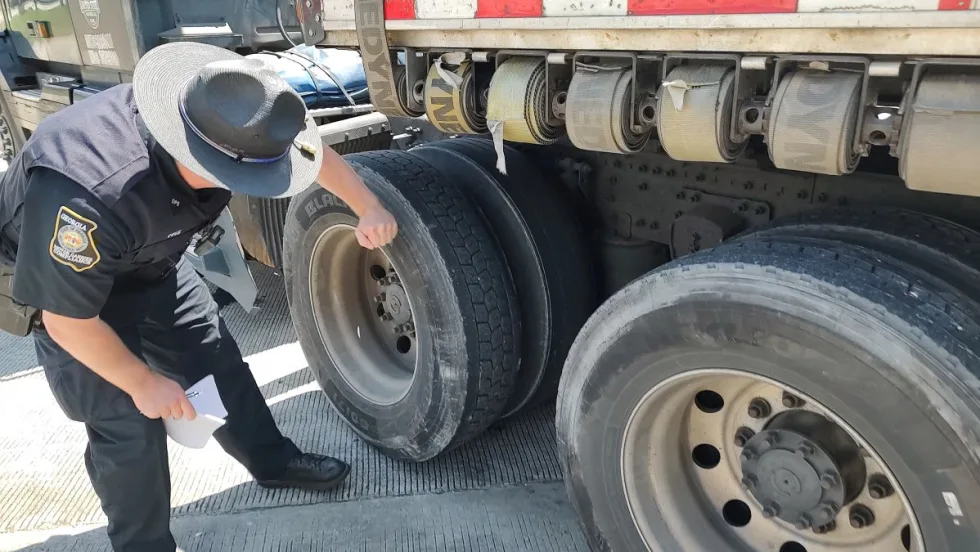
What an Out-of-Service Order Really Costs, and How to Plan for One
The repair invoice is the first number you see — and often one of the smallest. Here’s what else an out-of-service order can cost a fleet, and how planning can reduce the damage.
Read More →
International Launches Online Truck Parts Store
Fleetrite.com lets fleets and repair shops find OEM and all-makes parts, check prices and availability, and order without calling a parts counter.
Read More →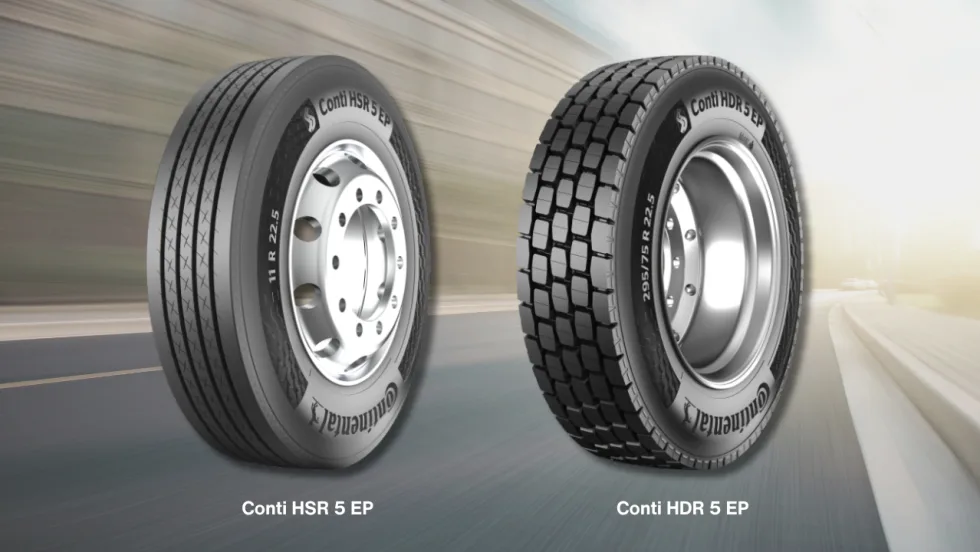
Continental Introduces New Regional Truck Tires
Continental says its new Generation 5 steer and drive tires for regional operations offer longer tread life, with estimated mileage gains of 22% and 19%, respectively.
Read More →
Sponsored•October 1, 2026
How AI Can Help Your Techs’ Efficiency
The technician shortage isn't going away, and no single fix can close the gap on its own. Trent Broberg makes the case that AI's real job in the shop is protecting the billable hours and job satisfaction of the techs you already have, not asking them to work faster.
Read More →
Color Match Smarter: Tools That Restore & Perform
For fleet managers and collision repair professionals keeping heavy-duty trucks on the road, getting the color right the first time isn't just about appearance — it's about efficiency, turnaround time, and bottom-line results. Discover how today's digital color tools are transforming the repair process from guesswork to precision.
Read More →
Wrong Repair Prompts Recall of Freightliner, Western Star 4x2 Trucks
DTNA is recalling more than 2,400 trucks that received an incompatible software fix instead of the hardware repair required to address brake valve corrosion.
Read More →
Truck Drivers Need More Than Another Alert
Fleets have more visibility into truck health, safety events, and driver activity than ever. The next challenge is turning all that information into useful guidance for the person who has to decide what to do next.
Read More →