




Landstar, OOIDA Settle 'Truth-in-Leasing' Litigation
Landstar System and the Owner-Operator Independent Drivers Association announced the end of their decade-long litigation over federal truth-in-leasing regulations, with the Florida-based carrier saying its leases were proven valid and the association saying the lawsuit helped further clarify the regulations
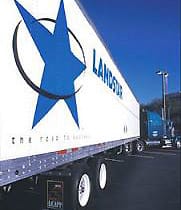
Landstar System and the Owner-Operator Independent Drivers Association announced the end of their decade-long litigation over federal truth-in-leasing regulations, with the Florida-based carrier saying its leases were proven valid and the association saying the lawsuit helped further clarify the regulations.
At issue in the case was Landstar's compliance with federal regulations that govern the leasing relationship between motor carriers and truck owner-operators. Truth-in-leasing regulations cover transparency in trucking transactions and what motor carriers must reveal to their leased owner-operators.
OOIDA filed suit in 2002 against Landstar in an effort to obtain court rulings that would provide further clarity with respect to the legal obligations of motor carriers under the leasing regulations. As a result of the lawsuit, it said in a press release, the meaning of the regulations was further developed by the court.
For instance, the court outlined the obligation of motor carriers with respect to describing charge-backs in lease agreements and making supporting documents available. The requirement for motor carriers to strictly comply with the requirements of the regulations was also confirmed.
In 2006, a judge ruled that Landstar may charge more than it pays for products and services it buys on behalf of the independent truck drivers whose equipment Landstar leases, reports the Jacksonville (Fla.) Business Journal, where Landstar is based. But to do that, it must provide access to documents used in determining the validity of such charges, which Landstar deducts from the amount it pays owner-operators.
Both Landstar and the OOIDA saw the 2006 ruling as a victory, notes reporter Michael Clinton. But litigation continued until this week's announcement. In the end, Landstar says, it did not have to pay any injunctive or monetary relief to the OOIDA.
"After a decade of proceedings, including two trials and extensive appeals, this litigation comes to an end after affirming the validity of Landstar's current leases in place with all of its BCOs and with no award of injunctive or monetary relief of any kind to the plaintiffs," according to Michael Kneller, Landstar vice president and general counsel, in a release.
According to Jim Johnston, president of OOIDA, the organization is also ready to put the litigation in the past.
"Landstar is a reputable motor carrier with a history of retaining owner-operators who are among the most highly skilled and professional individuals in the trucking industry. We are optimistic that we can work together in the future in advancing the goals of owner-operators," he said in a statement.
More Fleet Management

Why Private Fleets Are Taking More Freight
Private fleets are putting their own trucks on demanding customers and high-cost lanes as companies seek greater control over service, costs, and capacity.
Read More →
Color Match Smarter: Tools That Restore & Perform
For fleet managers and collision repair professionals keeping heavy-duty trucks on the road, getting the color right the first time isn't just about appearance — it's about efficiency, turnaround time, and bottom-line results. Discover how today's digital color tools are transforming the repair process from guesswork to precision.
Read More →
FMCSA Pauses Biennial-Update Enforcement Amid Motus Transition
Carriers whose updates were due on or after June 1 have more time, while FMCSA works to stabilize its new registration system and warns of phishing sites impersonating its new carrier registration system, Motus.
Read More →


2026 Blueprint for Countering Smarter Supply Chain Theft
Cargo theft is no longer just the cost of doing business. It's a multi-billion-dollar criminal enterprise exploiting vulnerabilities across your fleet, drivers, and supply chain.
Read More →
How Telematics Improves Visibility, Control, and Performance in Refrigerated Fleets
Explore how telematics help refrigerated fleets improve visibility, uptime, efficiency, compliance, and cargo protection across connected cold chain operations.
Read More →
What the U.S.-Canada Trade War Means for Trucking
Escalating U.S.-Canada tariffs could disrupt cross-border freight, reduce truck volumes, raise costs, and create new uncertainty for carriers on both sides of the border.
Read More →
What Are Trucking’s Top Concerns for 2026?
The American Transportation Research Institute wants to know what's worrying trucking fleet managers, drivers, and other stakeholders in its annual Industry Issues survey.
Read More →
American Trucking Associations Looks for a New Leader
ATA President and CEO Chris Spear abruptly left his job at the association on August 21, at a pivotal time for the trucking industry.
Read More →
Public Wi-Fi Cybersecurity Risks: How Truck Drivers and Fleets Can Protect Their Data
Public Wi-Fi can expose truck drivers and fleets to credential theft, malware, and other cyber threats. Here’s how to reduce the risk on the road.
Read More →
For Nicky Cupp, Fleet Innovation Starts With Frustration
HDT Truck Fleet Innovator Nicky Cupp turns everyday pain points at Fraley & Schilling into opportunities for better technology and smarter processes.
Read More →