




Inflate your Tires, Not Your Fuel Bill
For as hard as fleets work for a 1% gain in fuel efficiency, it's hard to imagine giving up something like 2-4% in fuel efficiency to something as simple as maintaining correct inflation pressure, especially today when almost every inflation or monitoring system on the market offers payback in less than a year.

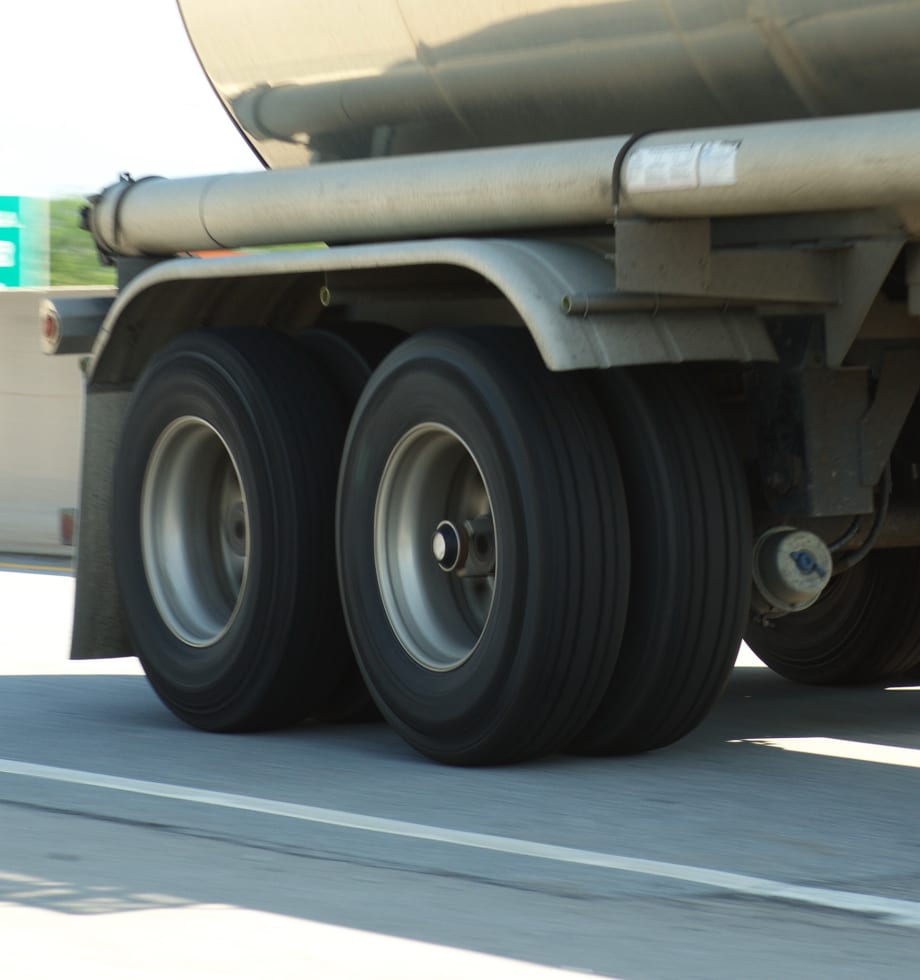
The harm from overinflating tires, especially those that run a high percentage of unloaded miles, could outweigh the perceived gains in fuel efficiency.

Underinflation kills not only tires, but also fuel economy. According to Rick Phillips, senior director of sales, commercial and OTR products at Yokohama Tire, a tire underinflated by 10% can result in 20% increase in rolling resistance, and a corresponding drop in fuel economy.
For as hard as fleets work for a 1% gain in fuel efficiency, it's hard to imagine giving up something like 2-4% in fuel efficiency to something as simple as maintaining correct inflation pressure. That's especially true today, when almost every inflation or monitoring system on the market offers payback in less than a year.
Improper inflation bites you in two ways:
1. It reduces the ability of the tire sidewall to support the load on the tire, which increases the degree to which the sidewall will flex.
2. It changes the footprint or contact patch of the tire.
"It is not the tire, but the air inside it that supports the load," says Guy Walenga, Bridgestone director of engineering, commercial products and technologies. "And it is the air inside the casing that keeps that casing the right shape."
The energy needed to make the sidewall flex consumes extra fuel, and that partially explains why wide-base single tires can be more fuel-efficient. Since a single wide-base tire replaces a dual assembly, there are half as many sidewalls flexing.
Additionally, as the contact patch changes, more or less rubber will be in contact with the pavement, and that could generate higher than normal drag at the tread area. This will eventually reveal itself as irregular wear, but in the meantime, you're consuming more fuel pulling the softer tire through its rotation.
According to Al Cohn of Pressure Systems International, it's all about the footprint of the tire.
"When you over-inflate, the footprint changes and it gets a little smaller," he says. "But the biggest impact is -- and this is what people don’t normally talk about -- the loaded vs. unloaded condition, especially on trailers. Because you’re spec'ing the pressure based on the loaded worst-case scenario, but in many cases, they’re empty, or at least a lot lighter than fully loaded. So when you’re empty, it’s great for rolling resistance and fuel economy, but the tire is going to develop all kinds of issues like uneven wear because it is bouncing along the highway."
Several things happen to a tire that's over-inflated for its load. "The tread tends to crown, leaving the shoulders of the tire scrubbing along the road as it tries to keep pace with the larger circumference of the center of the tread," Walenga says. "That causes all kinds of wear along the edges of the tire."
Even though the "industry standard" pressure for drive and trailer tires seems to be 100 psi, is that the correct pressure?
Yokohama's Phillips seems to be the outlier on this issue. He suggests fleets should be running dual tires in a fully loaded tandem axle (34,000 pounds) at 80 psi, not 100.
"The higher number might be easier to remember, or provide a hedge against underinflation, but it could be compromising traction and tire performance," he says. "I've seen very little evidence of quantifiable fuel economy gains from running at 100 psi rather than 80, but I can show lots of tires that were scrapped prematurely because of irregular wear arising from overinflation."
Looking forward, Phillips says tires could become very sensitive to inflation pressure.
"We're looking very hard at the footprint of the tire, and if we can manage that contact patch exactly as we want it to be, we think it will do a lot for the performance of the tire," he says. "If you run the tire at its design pressure, you run it the way it was designed to run, which gives you optimum traction, mileage and minimizes inflation-related irregular wear, you get best performance over the life of the tire."
In other words, running tires under-inflated – below the recommended pressure found on the tire makers' load and inflation tables – will hurt tire performance and fuel economy. Overinflating tires may compromise tread life with few if any gains in fuel consumption.
More Fuel Smarts
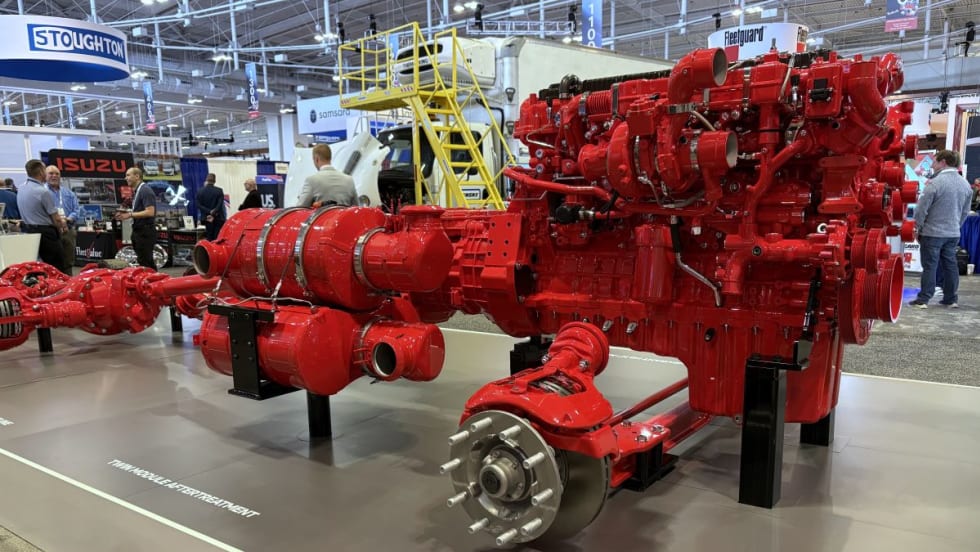
Cummins Adjusts 2027 Engine Rollout After EPA Proposal
The engine maker will gradually introduce its new Model Year 2027 diesel engines while continuing to offer current models during the transition, citing the EPA's proposed emissions rule changes.
Read More →
EPA Proposal Could Ease 2027 Truck Costs and Buying Uncertainty
The proposal doesn't change the tougher NOx standard, but it would revise key implementation requirements that manufacturers say have driven up costs and complicated fleet purchasing decisions.
Read More →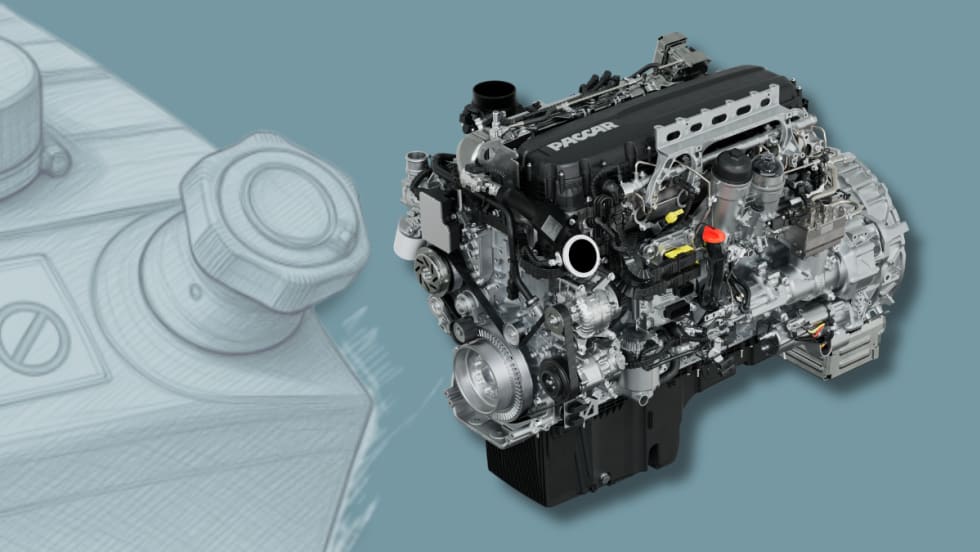
Cummins, Paccar Ease DEF Derates After EPA Guidance
Updated diesel engine software gives truck operators more time to address emissions-system issues while staying compliant with EPA emissions standards.
Read More →
Maintenance in the Messy Middle Part 3: Biodiesel
Biodiesel can reduce emissions, improve fuel-system lubricity and use existing diesel infrastructure. But NACFE’s Messy Middle maintenance report says fleets must actively manage storage, cold-weather operation, filters and oil drain intervals to avoid problems.
Read More →
Enhance Fleet Performance with High-Efficiency Auxiliary Power Units
Drive sustainable cost savings while increasing driver comfort during short- and long-haul logistics operations.
Read More →
Maintenance in the ‘Messy Middle’ Part 2: Renewable Diesel Fuel
NACFE's latest Messy Middle Powertrain Service & Maintenance report says renewable diesel gives fleets an opportunity to reduce carbon emissions without changing trucks, fueling infrastructure or maintenance practices. But technicians still need to understand several important operational differences.
Read More →
The Diesel Engine Enters NACFE’s ‘Messy Middle’
NACFE’s new Messy Middle Powertrain Service & Maintenance report says keeping modern diesel engines running now depends as much on software, diagnostics and data as traditional mechanical service.
Read More →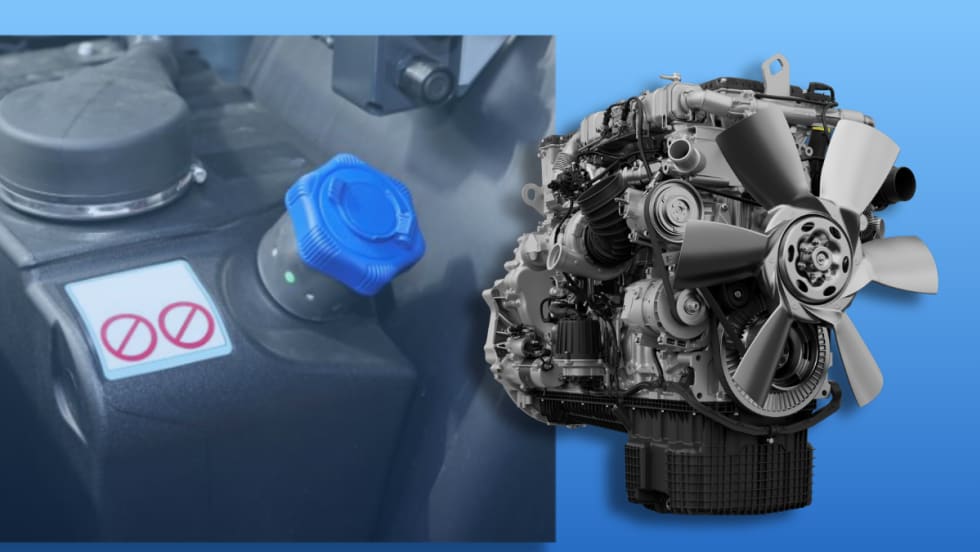
DTNA Software Update Gives Truckers More Time Before DEF Derates Take Effect
The changes reflect EPA guidance aimed at reducing downtime caused by emissions-system faults while maintaining compliance requirements.
Read More →
New Agentic Predictive Maintenance Report Demonstrates How Degraded Aftertreatment Systems Waste Fuel
Questar analyzed a large mixed-class fleet and discovered it was wasting as much as $30 in fuel per vehicle, per day, because of mechanically degraded aftertreatment systems.
Read More →
New York City's Microhub Project is Delivering Results
Trucking, last-mile delivery companies, and environmental advocates like what they are seeing so far with New York's microhub program.
Read More →