




How to Prevent Summer Truck Cooling System Failures
Summer heat puts heavy-duty truck cooling systems under intense strain. Learn how preventive maintenance and accurate repair information can help reduce downtime.
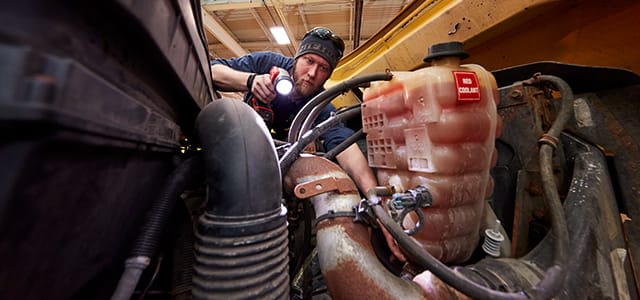

- Summer heat places significant stress on heavy-duty truck cooling systems.
- Preventive maintenance is crucial to minimize the risk of cooling system failures during hot weather.
- Access to accurate repair information helps in reducing truck downtime and maintaining efficiency.
*Summarized by AI
As summer heat rolls in and trucks spend more time hauling heavy loads in stop-and-go traffic, cooling systems start working overtime. Long runs, extended idle time and higher operating temperatures can put serious strain on heavy-duty trucks – especially when cooling system maintenance has been overlooked.
And while today’s powertrain systems are remarkably robust, they are also more complex than ever before. That growing complexity makes proper maintenance increasingly critical to avoiding costly breakdowns, unplanned downtime and expensive repairs during peak operating season.
Modern Cooling Systems Are More Complex Than Many Realize
When most people think about cooling systems, they picture the radiator, hoses, coolant pump and belts. But modern trucks rely on a network of cooling sub-systems working together to maintain proper operating temperatures across the vehicle.
Engine oil coolers, transmission coolers, power steering coolers, EGR cooling systems and HVAC components all contribute to keeping the truck operating efficiently. When one cooling system begins to lose efficiency, it can place additional strain on the others.
That matters because heavy-duty trucks generate an enormous amount of heat. Even with today’s highly efficient diesel engines, a significant amount of fuel energy is still converted into heat that must be dissipated through the truck’s exhaust and cooling systems.
Without those cooling systems functioning properly, temperatures can rise quickly and create a cascade of performance and reliability problems.
Small Cooling Problems Can Create Big Downtime Costs
Unfortunately, not every cooling-related issue is immediately obvious to the operator. Some problems develop gradually over time through missed inspections, restricted airflow or declining system efficiency.
For example, debris buildup in the A/C condenser – typically mounted in front of the radiator – can restrict airflow through the entire cooling package. That not only reduces the radiator’s ability to cool the engine but can also diminish HVAC performance inside the cab. Likewise, issues involving cooling fans, shrouding or auxiliary cooling components can quietly reduce system efficiency long before a failure occurs.
Some applications even include secondary radiators dedicated to cooling EGR systems, adding yet another layer of complexity technicians must understand and maintain.
The challenge for fleets and repair facilities is that one underperforming cooling sub-system can increase the workload on every other system. While the truck may continue operating for a period of time, overall efficiency begins to decline. Fuel economy suffers, components endure additional stress and the likelihood of roadside failure increases.
The Hidden Cost of Gradual Inefficiency
A truck broken down on the side of the road is obviously costly. But the less noticeable cost often comes from trucks that slowly become less efficient due to deferred maintenance or overlooked cooling system issues. Over the life of a vehicle, those incremental losses in performance, fuel economy and uptime can add up significantly.
That’s why accurate service information and proper maintenance procedures are more important than ever.
Technicians need access to detailed truck repair information, cooling system schematics, inspection procedures and component locations to fully understand how these increasingly interconnected systems operate.
How TruckSeries Software Helps Keep Trucks on the Road
Software platforms like TruckSeries repair information from Mitchell 1 help technicians identify system requirements, inspection points and repair procedures needed to keep trucks operating at peak efficiency during demanding summer conditions.
Built for Class 4-8 vehicles, TruckSeries gives technicians fast access to:
- Comprehensive repair procedures at your fingertips
TruckSeries provides best-in-class repair procedures and system information, including component locations, torque specs and step-by-step procedures, helping technicians understand how interconnected cooling systems work together. - Wiring diagrams and component locations for faster diagnostics
Advanced, interactive wiring diagrams take technicians directly to specific components, helping them quickly trace electrical, fan and sensor-related cooling system problems. - DTC-to-diagnostics workflows to streamline troubleshooting
TruckSeries connects fault codes directly to troubleshooting procedures and repair information to speed up diagnostics. - Symptom- and component-based searches when fault codes aren’t available
Not every overheating condition triggers a DTC. TruckSeries helps technicians search by symptoms or components to quickly narrow down potential causes. - Maintenance schedules and inspection procedures for Class 4-8 vehicles
Comprehensive maintenance information helps shops identify wear points and cooling system concerns before they lead to costly downtime. - Labor estimating tools to improve workflow and job planning
Quickly produce precise labor time estimates – seamlessly mapping to VMRS codes – to improve workflow efficiency and profitability. - Integrated TMC Recommended Practices
The ATA’s TMC Recommended Practices (RPs) are a click away in TruckSeries, giving technicians quick access to industry best practices for servicing and maintaining commercial vehicles. - 1Search™ Plus functionality
Quickly locate targeted repair information from a single search to reduce time spent hunting for specs, diagrams and procedures.
Keeping Trucks Moving Through the Summer
As truck systems continue to evolve, successful maintenance programs increasingly depend on understanding how all vehicle systems work together – especially when it comes to heat management.
Because during the summer months, cooling system efficiency isn’t just about driver comfort or engine temperature. It’s directly tied to uptime, operating costs and keeping trucks moving when fleets can least afford downtime.
Learn how TruckSeries can help streamline diagnostics and maintenance workflows for your shop. Click HERE to get a free, no-obligation demo.
About the Author: Bryan Bernetskie serves as the business manager of the Commercial Vehicle Group at Mitchell 1.
This article reflects the views of Mitchell 1 and does not necessarily represent the views of Heavy Duty Trucking or Bobit Business Media.
Quick Answers
During summer, high temperatures put additional stress on a truck's cooling system, increasing the risk of overheating and potential failures. Proper maintenance is essential to ensure optimal performance and reduce the likelihood of breakdowns.
*Summarized by AI
More Maintenance
Maintenance in the ‘Messy Middle’ Part 2: Renewable Diesel Fuel
NACFE's latest Messy Middle Powertrain Service & Maintenance report says renewable diesel gives fleets an opportunity to reduce carbon emissions without changing trucks, fueling infrastructure or maintenance practices. But technicians still need to understand several important operational differences.
Read More →
The Diesel Engine Enters NACFE’s ‘Messy Middle’
NACFE’s new Messy Middle Powertrain Service & Maintenance report says keeping modern diesel engines running now depends as much on software, diagnostics and data as traditional mechanical service.
Read More →
Wabash Trailers Recalled for Improperly Installed Underride Guards
More than 900 Wabash dry van trailers may not comply with the Federal Motor Vehicle Safety Standard for rear impact guards.
Read More →
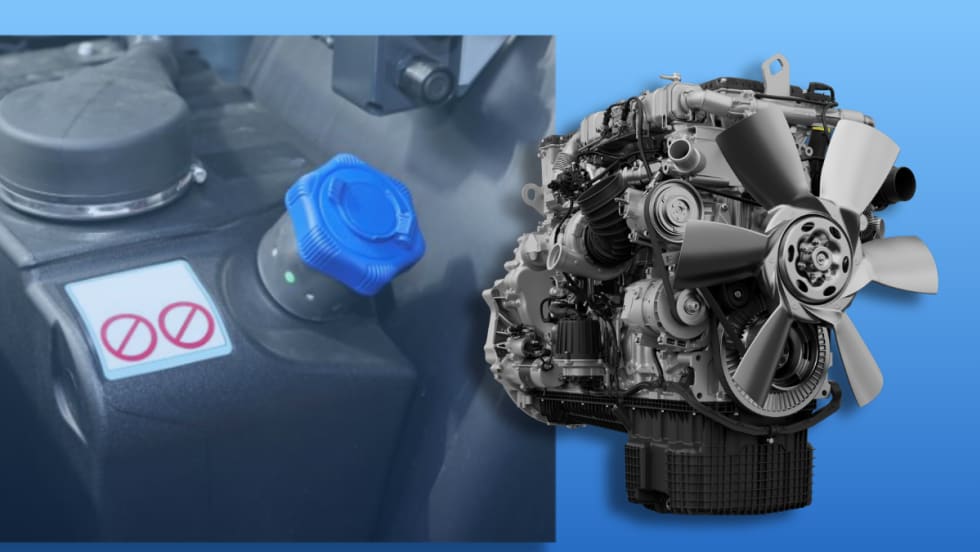
DTNA Software Update Gives Truckers More Time Before DEF Derates Take Effect
The changes reflect EPA guidance aimed at reducing downtime caused by emissions-system faults while maintaining compliance requirements.
Read More →
New Agentic Predictive Maintenance Report Demonstrates How Degraded Aftertreatment Systems Waste Fuel
Questar analyzed a large mixed-class fleet and discovered it was wasting as much as $30 in fuel per vehicle, per day, because of mechanically degraded aftertreatment systems.
Read More →Mack, Volvo Issue ‘Do Not Drive’ Recall on Possible Wheel-Offs
Owners will be sent advance notice not to operate their affected vehicles until the remedy is performed.
Read More →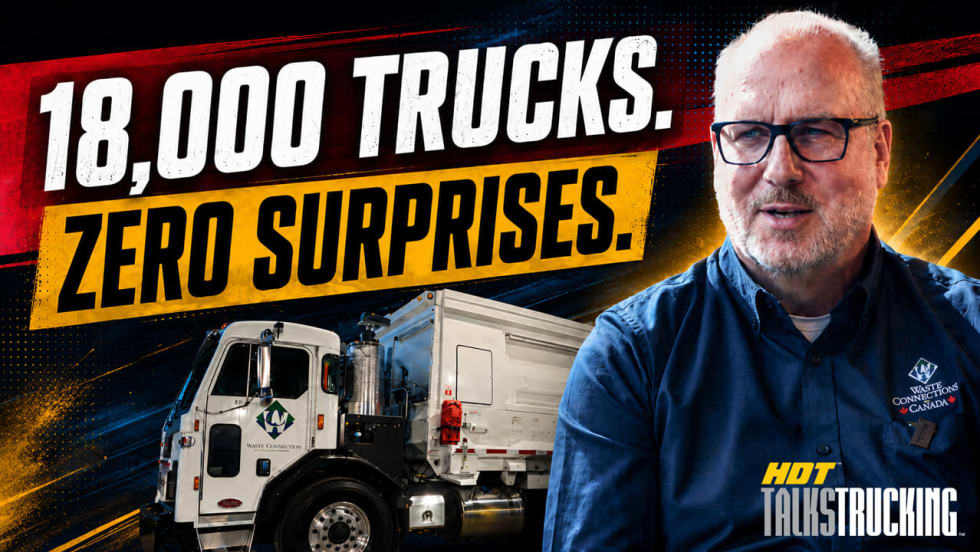
Why Fleet Data Matters More Than Ever at Waste Connections [Watch]
Waste Connections' Chuck Palmer explains how telematics, predictive maintenance, safety analytics, and AI help keep vehicles on the road and drivers safe in this episode of HDT Talks Trucking.
Read More →
Deadline Extended for HDT Truck Fleet Innovators Nominations
Heavy Duty Trucking has extended the deadline for nominations for its Truck Fleet Innovators awards. The deadline has been extended to May 22.
Read More →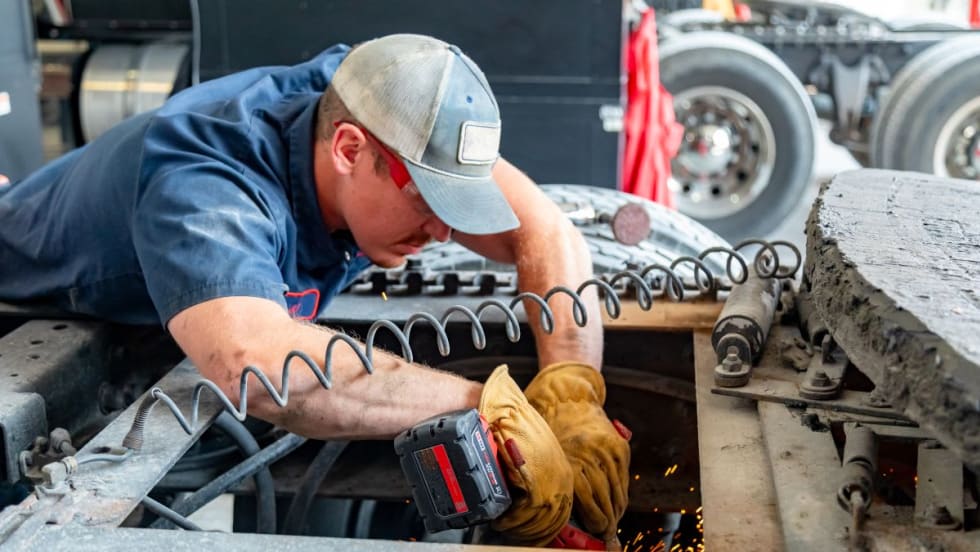
Why VMRS Is the Natural Link Between AI, Predictive Analytics, and Vehicle Repairs [Commentary]
Jon White was a leading figure in the development of VMRS. Now, after five decades of service, White says VMRS is becoming essential to the AI-driven future of truck maintenance.
Read More →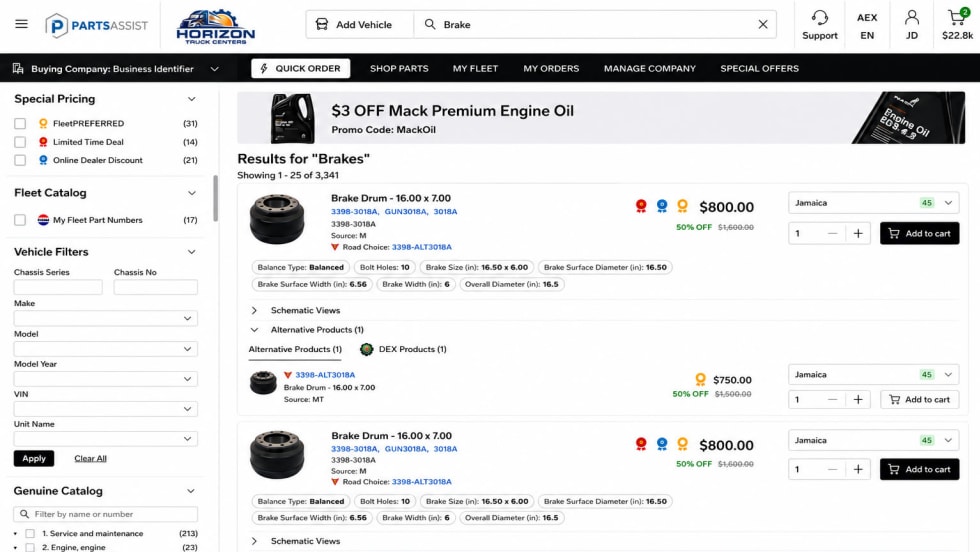
Mack Trucks Revamps PartsASIST Platform with Faster Performance, Improved Navigation
Mack Trucks has launched a redesigned version of its PartsASIST online ordering platform, adding faster search, real-time inventory visibility and enhanced order tracking.
Read More →