




How to be Proactive 
With CSA
There are two types of carrier reactions when it comes to navigating the new Compliance, Safety, Accountability program launched by the Federal Motor Carrier Safety Administration, better known simply as CSA

Once you have used analytical tools to identify performance improvement areas, focus your time and efforts on those drivers who need the most help.
There are two types of carrier reactions when it comes to navigating the new Compliance, Safety, Accountability program launched by the Federal Motor Carrier Safety Administration, better known simply as CSA.
There are carriers who ignore the program and delay action, hoping everything works out. If you are in this group, you may already have seen your safety rating suffer compared to the old SafeStat system.
The other carriers are educating themselves and proactively managing the new CSA scoring methodology. You should be in this camp, even though navigating the new methodology may not be easy and has been complicated by interpretation and implementation issues.
For most fleets, the new CSA scoring methodology is more complicated and harder to manage than the old system. Carriers can face a steep learning curve as they adapt to meet the challenges of complying, as with any new methodology.
But there are no indications that the CSA program is going away. Carriers who better understand and proactively manage it now are more likely to stay out of trouble with the FMCSA and ahead of their competition with fewer roadside inspections, audits, warning letters, fines and accidents.
To implement and manage the new CSA program successfully, there are several actions you can take, all of which can contribute to a culture of safety across your organization.
1. Understand how the new CSA scoring methodology works, how your fleet will be affected by scores and how your fleet is currently scored under the new system.
This step includes understanding the seven Behavioral Analysis Safety Improvement Categories (BASICs) used for scoring: Unsafe Driving, Fatigued Driving, Driver Fitness, Vehicle Maintenance, Controlled Substances/Alcohol, Crash Indicator and Improper Loading/Cargo Securement. For more information, see the FMCSA website: http://csa.fmcsa.dot.gov.
2. Create or acquire simple-to-use CSA management tools, including scorecards. Some solutions allow you to integrate relevant performance data you already have, such as safety performance, hours of service and vehicle maintenance data, to help you proactively manage CSA compliance.
Once you incorporate this critical performance data, create a centralized location for all CSA-related information so your driver managers can have visibility into and responsibility for their drivers' performance.
3. Use the tools, scorecards and CSA scoring data together to identify performance improvement opportunities. You can accomplish this by correlating your relevant performance data to the seven applicable BASICs in the CSA scoring system. By proactively managing this data, you'll begin to see potential performance issues and trends before they result in violations, poor CSA scores, fines - and, in the worst-case scenario, accidents.
4. Once you have used the tools to identify performance improvement areas, focus your time and efforts on the drivers who need the most help. Develop consistent processes, training and tools to help managers coach drivers. This includes creating standardized coaching guidelines and a system of follow-up procedures to ensure that these discussions are taking place in a timely manner and having positive results. You should also capture and maintain histories of these performance discussions.
5. Promote visibility, accountability and positive competition with your drivers and driver managers. Use scorecards and tools that let you know when performance issues are being addressed by your drivers and driver managers. Let them see how they are performing compared with their peer groups, without compromising confidentiality.
6. Reward the positive and coach the negative. With the right CSA management tools, you can proactively identify potentially negative issues and turn them into positive solutions.
No matter what CSA or safety management system you have in place, the goal remains the same for everyone involved - to create safer roads and highways. To ensure success, fleet managers and executives must commit themselves to creating a business culture that values - and indeed embraces - safety as a core attribute of their success.
Don't wait for a warning letter from the FMCSA or until the CSA scoring system is perfected to address safety and CSA compliance. Take action immediately to actively manage compliance or risk falling further behind.
Jim Sassen is the senior product marketing manager for Qualcomm Enterprise Services' CSA Safety Performance Service.
From the April 2012 issue of HDT
More Safety & Compliance
FMCSA: Stop Using These 15 Electronic Logging Devices
Fleets and drivers must replace the revoked ELDs with ones on the FMCSA's registered device list of electronic logging devices.
Read More →
How HDT’s 2026 Truck Fleet Innovators Are Rethinking Fleet Operations
Meet five trucking leaders who are challenging assumptions, solving operational problems, and putting innovative ideas to work.
Read More →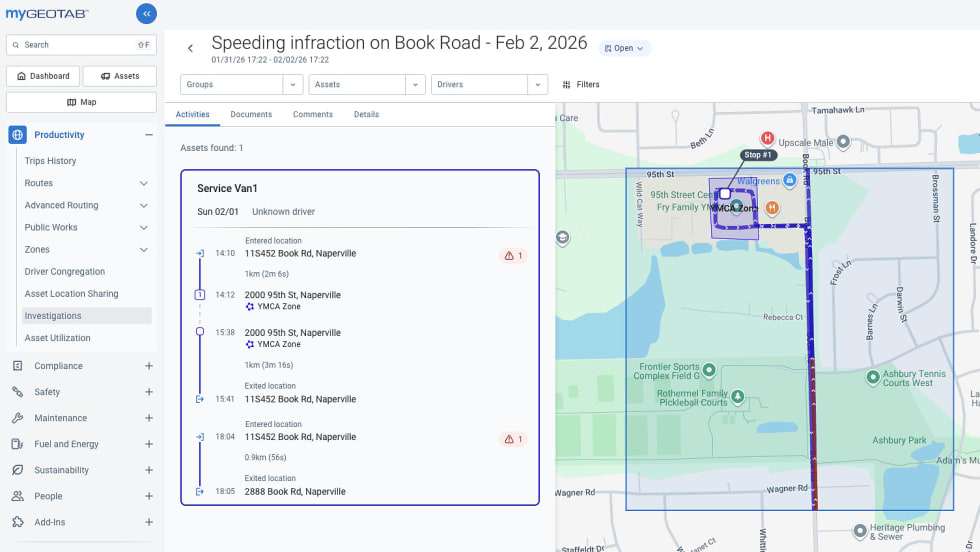
Geotab Launches Tool to Speed Fleet Incident Investigations
Geotab Investigations brings telematics data, video, photos, reports and other evidence into one case file to help fleets determine what happened and resolve incidents faster.
Read More →
FMCSA Moves to Codify English Language Requirements for Commercial Drivers
By changing regulations on English-language proficiency requirements for commercial drivers, rather than relying on a guidance memo, the FMCSA said future administrations won't be able to walk back the Trump administration's stricter enforcement with just a memo.
Read More →
Trump Administration Expands Homeland Security's Role in Trucking Enforcement
The administration's latest trucking crackdown goes beyond roadside inspections, expanding Homeland Security's role in commercial vehicle enforcement and investigations involving CDL training schools.
Read More →
Paccar Recalls 2027 Trucks Built This Summer for Possible Electrical Problem
The nearly 6,000 Kenworth and Peterbilt trucks in the recall could potentially lose engine power, among other things.
Read More →
Brake Safety Week to Focus on Drums and Rotors
Commercial vehicle inspectors will be focusing on brakes during CVSA's Brake Safety Week, August 23-29.
Read More →
Trump Administration Looks to Put More Veterans Behind the Wheel
The Freedom Haulers program pulls together existing and expanded programs at several federal agencies to recruit veterans to drive commercial heavy-duty trucks and cut the red tape for them to get a CDL, training, and employment.
Read More →
$604 Million Verdict Tests Broker Liability After Supreme Court Ruling
C.H. Robinson plans to appeal after a Texas jury found it bore the largest share of responsibility for a fatal 2021 crash, in a case that follows the Supreme Court's Montgomery decision allowing negligent hiring claims against freight brokers.
Read More →
How Fraley & Schilling Improved Logbook Compliance by Over 50%
Fraley & Schilling needed a way to close a compliance workflow gap in its ELD system without adding more work from driver training, reminders, and back-office follow-ups. It found the answer in a custom driver app.
Read More →