




How Fuel Delivery Shapes Engine Performance
Fuel delivery depends on more than what happens at the injector. For fleet, maintenance and technical professionals, looking at the full path from pump to injector can provide useful context for understanding engine performance.
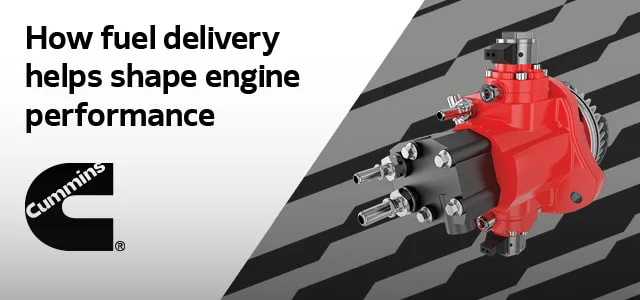
Cummins, Inc.

- Engine performance is significantly influenced by the entire fuel delivery path from pump to injector.
- Understanding the full fuel delivery system is crucial for fleet, maintenance, and technical professionals.
- Analyzing the complete fuel path offers valuable insights into optimizing engine efficiency.
*Summarized by AI
By the time fuel reaches the injector, the rest of the fuel system has already been at work. The pump has generated pressure, and that fuel has moved through the high-pressure system before reaching the injector and, ultimately, the cylinder.
That sequence matters. Pressure at one point in the system affects what is available farther down the path, while pump architecture and injector flow each play their own part in how fuel is delivered.
By the time fuel reaches the injector, the rest of the fuel system has already been at work. The pump has generated pressure, and that fuel has moved through the high-pressure system before reaching the injector and, ultimately, the cylinder.
That sequence matters. Pressure at one point in the system affects what is available farther down the path, while pump architecture and injector flow each play their own part in how fuel is delivered.
Why the Connection Matters
Heavy-duty engines rarely operate under one steady condition. Loads change, and the demands placed on the fuel system change with them.
For fleet and service teams, that is a reason to look beyond the pump or injector by itself. The individual components still matter, but so does the relationship between them. What reaches the injector starts with what happens upstream.
Thinking about fuel delivery this way can provide better context for understanding engine performance. Instead of treating the pump, high-pressure system and injectors as three separate topics, it helps to follow the fuel through the complete path and consider what each component is doing along the way.
That system view is also where component integration becomes important. Each part has a specific job, but it is working inside a larger fuel-delivery system responding to the needs of the engine.
Learn More
Santosh Pawar, VPI Program Leader for Cummins Components and Software, will explore these relationships in the free webinar, "From pump to injector: How integrated fuel delivery supports engine performance," on Sept. 10 at 2 p.m. ET.
The discussion will take a closer look at fuel pressure, pump architecture and injector flow, and how they relate to combustion and engine performance under real-world operating conditions.
This article reflects the views of Cummins, Inc. and does not necessarily represent the views of Heavy Duty Trucking or Bobit Business Media.
Quick Answers
Understanding the entire fuel path ensures optimal engine performance by identifying potential issues in the system that may affect delivery efficiency and engine operation.
*Summarized by AI
More Fuel Smarts

East Coast Port Launches $45M Electric Truck Push
The Port Authority of New York and New Jersey announced millions in incentives for zero-emission drayage trucks, yard tractors, and new charging hubs near the port.
Read More →
California Bill Could Shed Light on Electric Truck Prices
Why do battery-electric Class 8 trucks remain so expensive? A California bill headed to Gov. Gavin Newsom would give fleets and state agencies more visibility into what manufacturers charge.
Read More →
Detroit Opens Orders for EPA 2027 Engines
Detroit isn’t starting from scratch to meet EPA 2027 diesel emissions standards. Its Gen 6 DD13 and DD15 engines keep much of today’s platform while updating the fuel and aftertreatment systems.
Read More →

Zero-Emission Truck Corridor Planned for West Coast
California, Oregon, Washington, British Columbia and Baja California are coordinating plans for truck charging and hydrogen fueling from Canada to Mexico.
Read More →
A Closer Look at Kenworth’s Electric T880E Vocational Truck [Video]
Learn more about Kenworth's T880E battery-electric vocational truck at the Paccar Technical Center, including its range, applications, upfitting considerations, and PTO options, in this HDT Spotlight video.
Read More →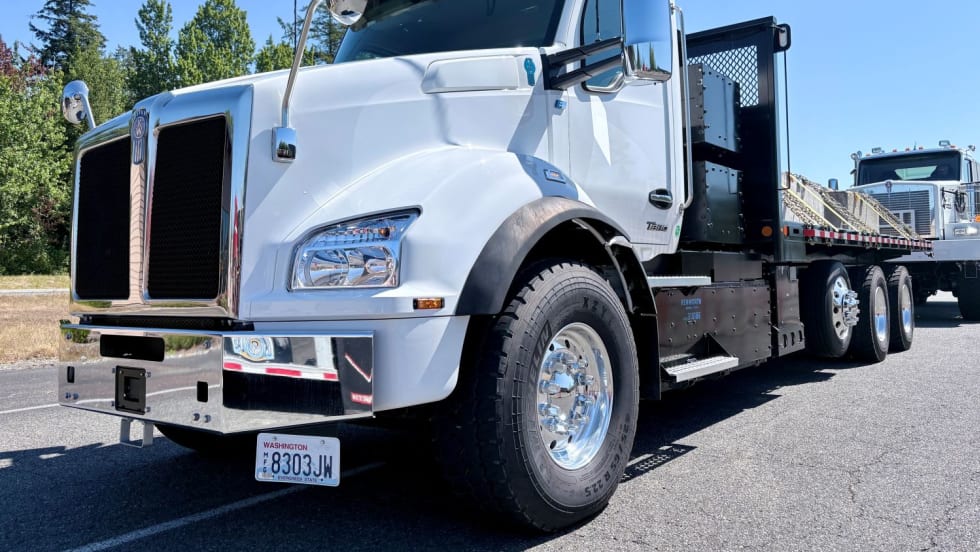
Kenworth T880E Brings EV Power to Vocational Trucks
A closer look at the Kenworth T880E’s range, charging, powertrain and upfit options — and where fleets are showing the most interest.
Read More →
Jennie Abarca Is Proving Electric Trucks Can Do the Job
HDT Truck Fleet Innovator Jennie Abarca is building confidence in fleet electrification one load at a time while openly sharing the challenges she encounters along the way as a small-fleet owner.
Read More →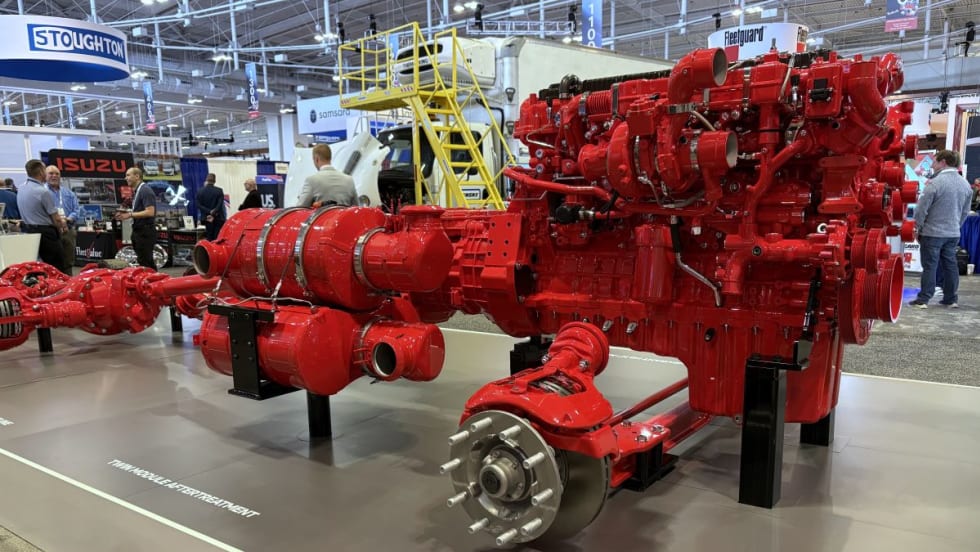
Cummins Adjusts 2027 Engine Rollout After EPA Proposal
The engine maker will gradually introduce its new Model Year 2027 diesel engines while continuing to offer current models during the transition, citing the EPA's proposed emissions rule changes.
Read More →
EPA Proposal Could Ease 2027 Truck Costs and Buying Uncertainty
The proposal doesn't change the tougher NOx standard, but it would revise key implementation requirements that manufacturers say have driven up costs and complicated fleet purchasing decisions.
Read More →
Cummins, Paccar Ease DEF Derates After EPA Guidance
Updated diesel engine software gives truck operators more time to address emissions-system issues while staying compliant with EPA emissions standards.
Read More →