




HDAW Session Highlights Hybrids
Diesel-electric hybrids are proving ever more popular in vocations such as utility trucks and pickup and delivery
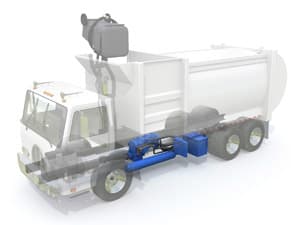
Eaton's hydraulic hybrid system is ideal for use in refuse applications.
Diesel-electric hybrids are proving ever more popular in vocations such as utility trucks and pickup and delivery.
But a session on hybrids during January's Heavy Duty Aftermarket Week highlighted two other types of hybrids that could expand their appeal: Eaton's hydraulic hybrid system and a "dual-mode" ArvinMeritor concept that may put some hybrid savings into over-the-road heavy trucks.
Eaton's hydraulic launch assist (HLA) is beginning to make inroads in the household refuse industry. The technology was initially launched in cooperation with Peterbilt in its Model 320.
Robert Golin, Eaton's hybrid business development manager, said HLA is by far the most suitable hybrid type for such an application, as the power density of the system and the delivery of the energy is precisely what is needed. Experience with the Pete 320 shows that fuel savings can be as much as 50 gallons of diesel per day, and the huge savings in brake maintenance mean a payback in three years on a chassis that may see service over a 12-year period. With tax incentives, the ROI could be as little as two years, said Golin.
The Eaton HLA features a hydraulic pump/motor in the driveline, a couple of nitrogen-filled accumulators, and a controller. As the driver decelerates to pick up the next bin, the braking is by the hydraulic pump as it compresses fluid into the accumulators. With some skill and the right amount of energy diversion, there's only a need to touch the service brakes to hold the truck while the bin is lifted and emptied, usually using an automated side-loader arm. Once the bin is back on the ground, the driver accelerates, but much of the forward motion is gained from the compressed hydraulic fluid running through the driveline hydraulic motor delivering 180 horsepower for five to six seconds.
With relatively uncomplicated components and controls interface, this HLA system can be bundled for a relatively simple aftermarket installation, and Eaton says such a program is in the works for the future.
Highway hybrid
Vern Caron, director of commercial vehicle systems electronics for ArvinMeritor, said the company's prototype dual-mode system offers a diesel-electric series hybrid in one mode and a parallel electric/mechanical transmission diesel truck in the other.
The vehicle - currently a Class 8 International ProStar heavy-duty tractor in Walmart service - carries a slew of lithium-ion batteries, so it has two 350-volt saddlepacks mounted to the frame rails behind the cab. It has no clutch and the transmission features only two gears.
A motor/generator is driven from the conventional Cummins ISX diesel engine. In the electric mode there's no drive direct from the engine: The batteries provide the starting torque to the decoupled motor. Since an electric motor has peak torque at stall, it gets the truck under way well. While it doesn't have the same level of torque as a diesel with the reduction of a multi-speed transmission, the torque is uninterrupted, so the truck accelerates at about the same pace as a diesel-powered unit, Caron explained. In this it is operating in true hybrid series mode and it runs very quietly, emitting no emissions whatsoever.
Once up to speed above 48 mph, the mechanical mode takes over as the driveline locks up and the truck drives as a conventional tractor - but still with electric assist when necessary. It is now in parallel mode.
Batteries recharge under braking or when running downhill.
This sort of vehicle could work in the electric mode while traveling on city and suburban streets heading to and from the freeway, but once on the highway, the power unit would fire up and the mechanical mode would take over.
Initial research shows the system has the potential to improve fuel economy around 15 percent, Caron said, but so far only the first generation of the system has been put together. Generation two is going to be ready within 18 months and will feature a battery package half the physical size of the current unit. Generation three will be the production trucks, available maybe as early as 2013.
From the April 2010 issue of Heavy Duty Trucking.
More Fuel Smarts
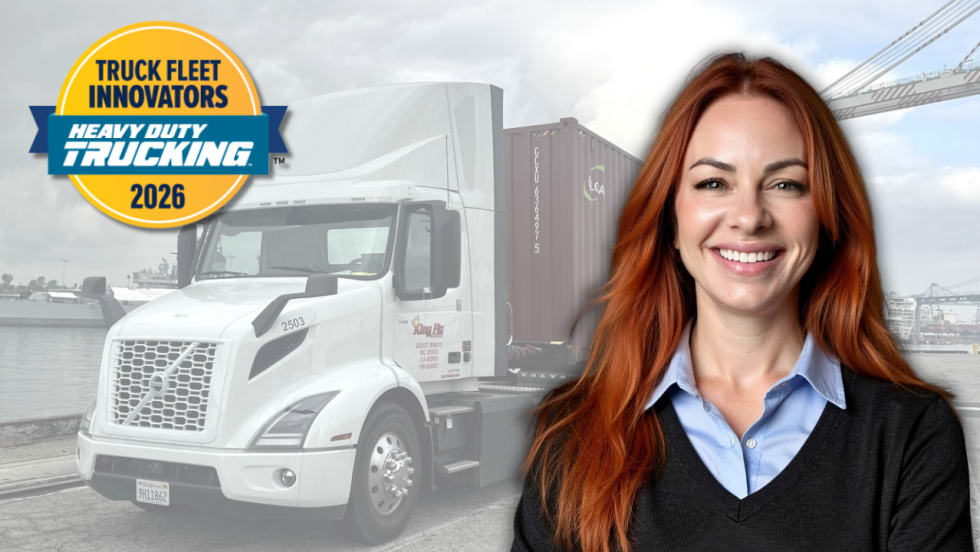
Jennie Abarca Is Proving Electric Trucks Can Do the Job
HDT Truck Fleet Innovator Jennie Abarca is building confidence in fleet electrification one load at a time while openly sharing the challenges she encounters along the way as a small-fleet owner.
Read More →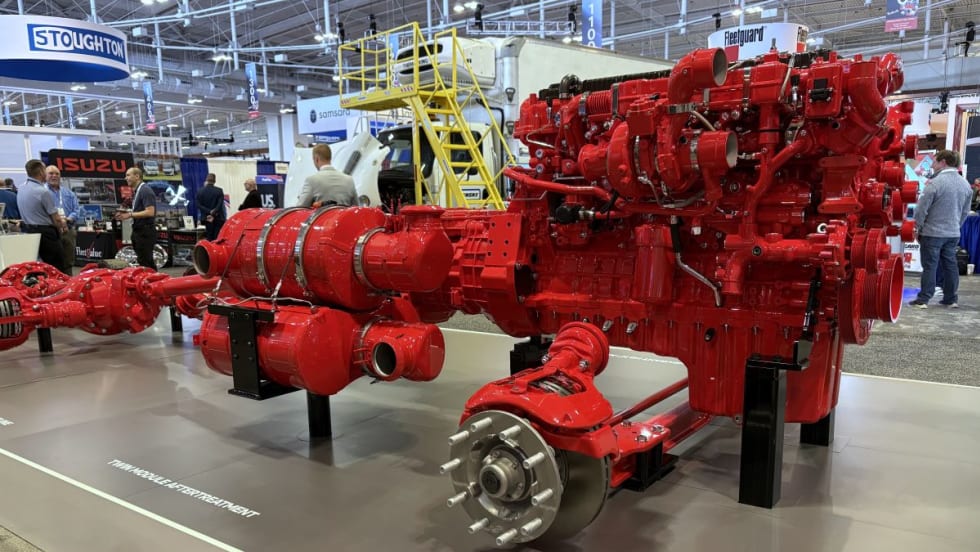
Cummins Adjusts 2027 Engine Rollout After EPA Proposal
The engine maker will gradually introduce its new Model Year 2027 diesel engines while continuing to offer current models during the transition, citing the EPA's proposed emissions rule changes.
Read More →
EPA Proposal Could Ease 2027 Truck Costs and Buying Uncertainty
The proposal doesn't change the tougher NOx standard, but it would revise key implementation requirements that manufacturers say have driven up costs and complicated fleet purchasing decisions.
Read More →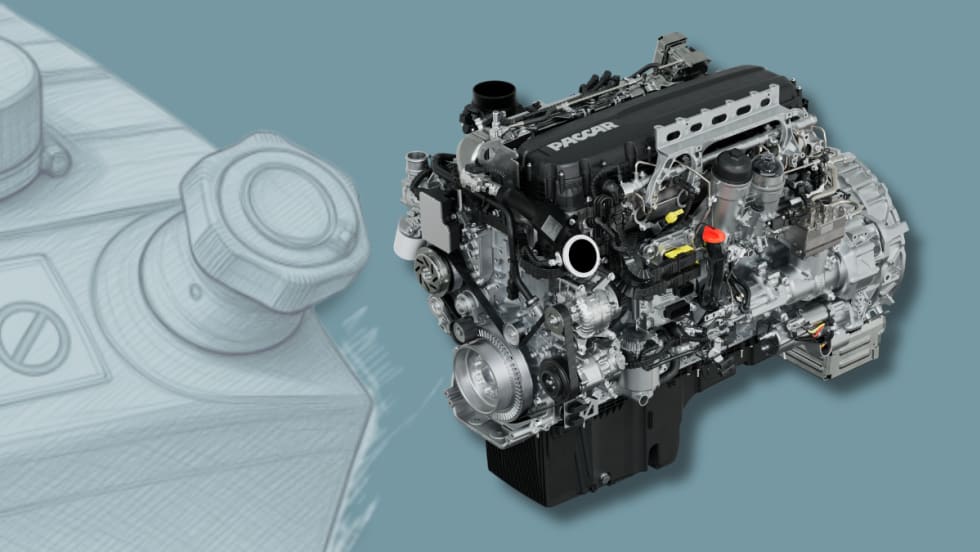
Cummins, Paccar Ease DEF Derates After EPA Guidance
Updated diesel engine software gives truck operators more time to address emissions-system issues while staying compliant with EPA emissions standards.
Read More →
Maintenance in the Messy Middle Part 3: Biodiesel
Biodiesel can reduce emissions, improve fuel-system lubricity and use existing diesel infrastructure. But NACFE’s Messy Middle maintenance report says fleets must actively manage storage, cold-weather operation, filters and oil drain intervals to avoid problems.
Read More →
Enhance Fleet Performance with High-Efficiency Auxiliary Power Units
Drive sustainable cost savings while increasing driver comfort during short- and long-haul logistics operations.
Read More →
Maintenance in the ‘Messy Middle’ Part 2: Renewable Diesel Fuel
NACFE's latest Messy Middle Powertrain Service & Maintenance report says renewable diesel gives fleets an opportunity to reduce carbon emissions without changing trucks, fueling infrastructure or maintenance practices. But technicians still need to understand several important operational differences.
Read More →
The Diesel Engine Enters NACFE’s ‘Messy Middle’
NACFE’s new Messy Middle Powertrain Service & Maintenance report says keeping modern diesel engines running now depends as much on software, diagnostics and data as traditional mechanical service.
Read More →
DTNA Software Update Gives Truckers More Time Before DEF Derates Take Effect
The changes reflect EPA guidance aimed at reducing downtime caused by emissions-system faults while maintaining compliance requirements.
Read More →
New Agentic Predictive Maintenance Report Demonstrates How Degraded Aftertreatment Systems Waste Fuel
Questar analyzed a large mixed-class fleet and discovered it was wasting as much as $30 in fuel per vehicle, per day, because of mechanically degraded aftertreatment systems.
Read More →