




Global News Roundup: Transitioning to Electric Trucks
ICYMI: A roundup of trucking industry news from Traton, Carrier Transicold, Rheintal, DHL Freight, Volvo Trucks, Tesla, SKF and more.


By 2030, every second vehicle sold by Scania will be powered electrically, says Traton.
Photo: Scania
The Traton Group announced it is preparing to transition to manufacturing electric trucks by investing $1.9 billion in research and development of e-mobility by 2025.
At the same time it is scaling back investments in conventional drives. By 2025, they will make up less than one-fifth of the company’s product development, and the share of product development dedicated to electric mobility will have doubled.
“Traton is setting a clear focus on electric trucks,” said Matthias Gründler, chief executive officer of Traton SE, in a news release. “This transition will not happen overnight. It will be gradual, sustainable, and in line with the required network expansion. If there is no charging infrastructure, it will not work.”
The company’s main focus will be on battery-electric vehicles. It sees hydrogen as more of a niche technology. This is a different approach from some of its competitors that believe hydrogen will be necessary for long-haul applications.
Traton’s belief is that most of the time, pure electric trucks will outperform their hydrogen counterparts as the more cost-efficient and eco-friendly solution for trucks, especially long-haul trucks.
“This is because compared to electric trucks powered by batteries alone, hydrogen trucks have one major drawback: Just one quarter of the energy output is ultimately used to power the vehicle, with the other three quarters lost along the way from the energy source to the road. This is the other way around for electric trucks,” explained Gründler.
He believes that the profitability of an electric truck and the amortization of its batteries come down to constant, heavy usage. And this is especially the case in long-haul heavy-duty transportation, company officials said.
Traton has set targets for each of its brands: Electric vehicles will make up around 10% of Scania’s European unit sales in 2025, with half of MAN’s new buses also equipped with an electric drive system by the same year. By 2030, every second vehicle sold by Scania will be powered electrically and at least 60% of MAN’s delivery trucks and 40% of its long-haul trucks will be zero-emission.
Traton also is expecting a better year in 2021. Following a slump in business activity as a result of the COVID-19 pandemic, the company recently recorded a significant improvement in its order intake situation and expects a sharp increase in unit sales and a substantial increase in sales revenue for the year.
New Briefs from Around the World
Carrier Transicold took a step toward widespread commercial adoption of electric trailer refrigeration systems in Europe, using AddVolt’s battery-electric system with its Vector eCool all-electric engineless refrigerated trailer system.
China’s heavy and medium commercial vehicle markets reported upticks in sales during 2020’s fourth quarter, following the ground lost from the severe setback due to the COVID-19 virus in Q1’20 and continuing the recovery that started in the second quarter last year, according to ACT Research. The biggest market driver currently is tightening emissions standards.
German-based freight company Rheintal is teaming up with Loop Energy to extend the range of its battery-electric trucks in Europe. Rheintal anticipates orders of eFlow fuel cell modules for more than 20 zero-emission hydrogen trucks and trailers over the next 24 months.
DHL Freight and Volvo Trucks are teaming up on a project focusing on battery-electric powertrains for regional trucks. A fully electric Volvo FH truck with gross combination weights up to 60 tons is operating between two DHL Freight logistics terminals in Sweden, a distance of approximately 150 km – a little over 90 miles.
Tesla says it won’t be able to sell its upcoming Semi electric truck in Australia unless the government changes a rule regarding truck width. Existing regulations require trucks to be 2.5 meters wide or less. Tesla’s Semi trucks are 30 to 50 millimeters (about 1-2 inches) wider than that, although they confirm to rules in the U.S. and in the European Union.
Inceptio Technology, a Chinese autonomous trucking startup, announced its Xuanyuan autonomous trucking system, which it says is the first of its kind. The system will be deployed on two Level 3 autonomous heavy-duty trucks jointly developed with Dongfeng Trucks and Sinotruck, and is expected for mass production at the end of 2021. Through OTA (over-the-air) upgrades, the system will help the trucks advance into Level 4 in the future.
SKF is testing a self-driving electric truck with tech company Einride to transport goods on a public road in Sweden between the SKF factory and the warehouse in Gothenburg. SKF said it plans to reduce its CO2 impact by 40% from freight transport over a 10-year period until 2025.
The Hegelmann Group, an international transport and logistics company based in Germany, is investing in 1,000 new trucks this year (about half for replacement, half for expansion) in response to high spot-market demand for full truckload transport. Hegelmann currently has 4,000 vehicles in operation.
More Fuel Smarts

Trucking’s Diesel Squeeze Isn’t Letting Up
With diesel topping $6 a gallon nationally, ATA's Bob Costello explains why fleets should prepare for continued pressure at the pump.
Read More →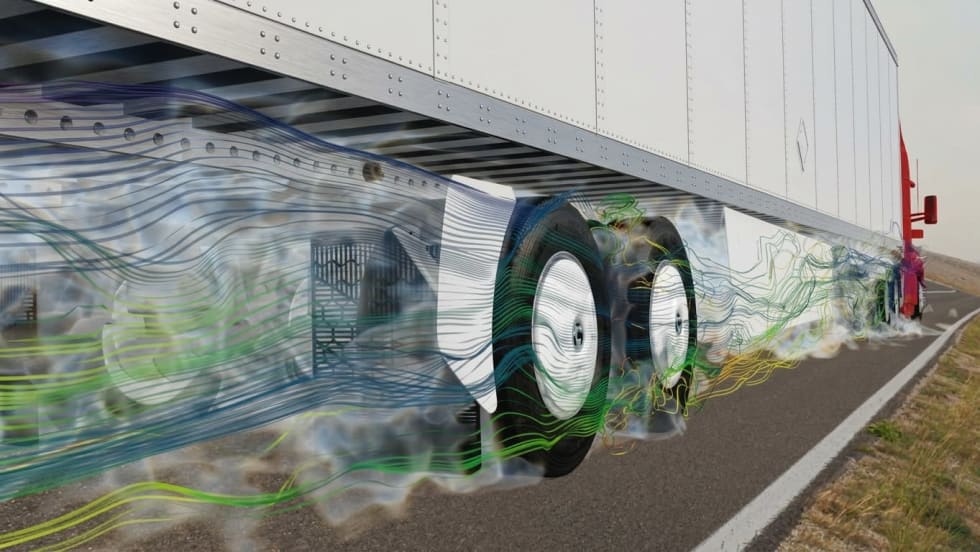
FlowBelow Redesigns Trailer AeroSlider to Cut Fuel Use
The lighter trailer aerodynamic system installs in less than 45 minutes, according to the company, with potential payback in under a year depending on fuel prices and trailer mileage.
Read More →
Why Diesel Price Relief Efforts May Fall Short
Diesel prices have eased from September’s record high, but doubts about additional Russian supply and limits on dyed-diesel tax relief mean trucking fleets still face expensive fuel. And prices could go higher.
Read More →
Why Small Fuel Savings Matter in Trucking
Can better fuel economy help pay for driver raises? In this podcast, GP Transco explains how small efficiency gains create room to reinvest in its people.
Read More →
How GP Transco Cuts Trucking Fuel Costs, a Tenth of a Gallon at a Time
What’s another tenth of a mile per gallon worth? GP Transco shares how equipment upgrades and driver coaching turn small gains into meaningful fuel savings.
Read More →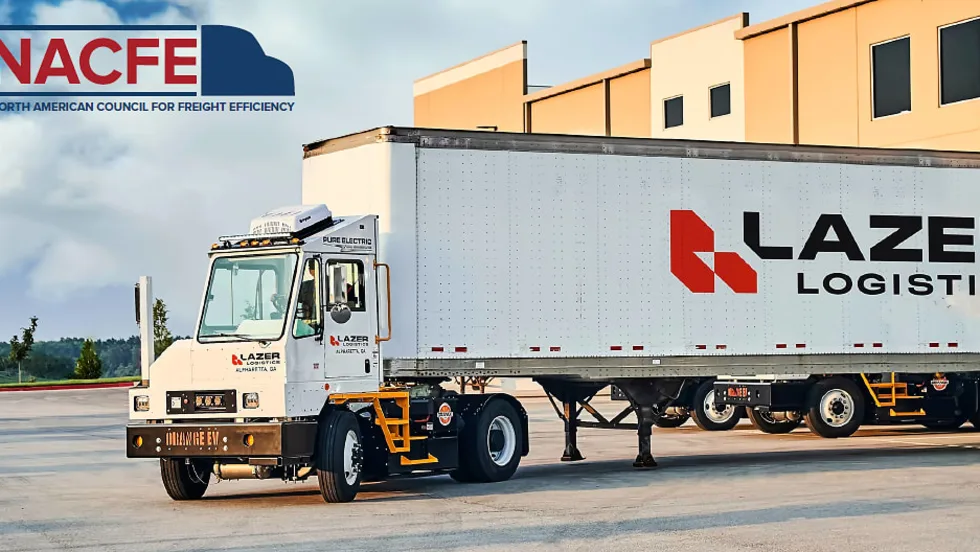
Electric Yard Tractors Move Beyond Pilots
Operating-cost savings have overtaken sustainability goals as the leading reason surveyed fleets are adopting battery-electric terminal tractors, according to new NACFE research.
Read More →
Geotab Links Fleet Card to Vehicle Data
The new card combines fuel discounts with telematics-based purchase controls. Geotab’s analysis also points to potential savings from choosing lower-priced fuel stops.
Read More →
Fleet Economics Shape Electric Truck Outlook
ACT Research expects costs, charging infrastructure, and technology improvements to drive zero-emission commercial vehicle adoption as federal regulations and incentives retreat.
Read More →
Wex Adds Cardless Fuel Payments for Over-the-Road Customers
A new fuel card feature for Wex customers offers convenience and security.
Read More →
New California Law Could Shed Light on Electric Truck Prices
Why do battery-electric Class 8 trucks remain so expensive? A California bill signed by Gov. Gavin Newsom would give fleets and state agencies more visibility into what manufacturers charge.
Read More →