




Drivers, Fleets Seek Healthier Lifestyles
When Jeff Clark's company offered drivers the option of getting paid for unloading instead of hiring lumpers, he joined the Y to get his back in shape. He soon found it was more than his back that needed work


Fifty-three-year-old driver Jeff Clark tries to run three times a week and ride his bike a couple days a week. He encourages other truckers to just get moving.
When Jeff Clark's company offered drivers the option of getting paid for unloading instead of hiring lumpers, he joined the Y to get his back in shape. He soon found it was more than his back that needed work.

"I got on a treadmill and set it to run a 10-minute mile," he recalls. "I used to run a mile in 4.44 in high school, so I figured 10 minutes would be an easy pace. It took me about 13 minutes."
That experience, combined with extra weight he'd put on over the years and a family history of heart disease, goaded the Kewaunee, Wis., resident to action. He started walking around rest areas and truckstops. Those walks became jogs, then long runs. He lost 30 pounds, and a year after he had started on his fitness journey, Clark ran the Green Bay Marathon, finishing in four hours and 55 minutes.
Today the 53-year-old tries to run three times a week and ride his bike a couple days a week. He encourages other truckers to just get moving. Wearing old race T-shirts at truckstops is often enough to get the conversation started, and he tweets under the handle @marathontrucker.
Clark is just one example of a growing number of truckers and fleets working to change the game when it comes to trucker health.
"People are in tune with their health a whole lot more than they used to be," says Michelle Stadler, manager of human resources for Con-way Truckload, which offers health measures such as a full gym at its Joplin headquarters, an annual "biggest loser" competition and weight-loss and smoking-cessation programs.
Some of the most common health issues among drivers, Stadler says, are diabetes, sleep apnea, high blood pressure and heart disease.
Obesity is a risk factor for or can complicate all four, so it's a big focus of wellness efforts. Statistics from the National Institute of Health illustrate that more than 50% of truck drivers are obese, compared to the national rate of 26.7%, according to Bob Perry, president of a trucker-focused fitness company called Rolling Strong.
Truckers, especially long-haul drivers, face special challenges when it comes to health, from finding the time and place to exercise to resisting chicken-fried steak and fast food on the road.
"Working around the schedules [of truckers] is the biggest challenge to exercise," says Clark, who took the passenger seat out of his truck to make room to mount his bicycle. "The load's got to be there when the load's got to be there." It makes it tough to establish an exercise routine.
However, there seems to be a swelling of interest and programs to help. Wellness programs, weight-loss plans and screenings for sleep apnea and other health problems are becoming more common at trucking companies. Truckstops are offering healthier eating and fitness options.
There are several factors, beyond nationwide concerns about an obesity epidemic, at work.
There's increasing concern that driver health problems may lead to increased crashes.
According to The Large Truck Crash Causation Study released in 2007 by the Federal Motor Carrier Safety Administration, 87% of crashes involving truckers stemmed to some degree from driver error. Of these cases, 12% were due to "non-performance:" The driver fell asleep, was disabled by a heart attack or seizure or was physically impaired for some other reason.
That's why the FMCSA has a Medical Review Board. This group of physicians gives the agency advice on medical standards and guidelines for drivers.
A new National Registry of Certified Medical Examiners is designed to make sure the medical professionals doing the required every-other-year physicals know what they're looking for.
"The healthier you are, the more alert you are," Clark says. "And that helps when you're driving 700 miles in one haul. Driving long is like running long. You need endurance for it."
Rising health insurance costs also are driving many companies to implement wellness programs.
Melton Truck Lines, Tulsa, Okla., last year won a state Corporate Health Champion award for its iCare program. Each participant undergoes a yearly preventive screening that checks blood chemistry, blood pressure and weight. Melton has a wellness coordinator, gyms in two terminals, a fitness studio and various health programs for employees. At Rhode Island-based United Natural Foods Inc., they're even tying the wellness program into insurance costs.
"We are a natural foods company, so everyone thinks our drivers are all healthy," says Deborah Dancause, regional fleet manager. "Quite the contrary."
The company implemented health screenings and educational and coaching programs and made them more convenient for its drivers, many of whom work at night.
"During one of the driver health screenings, they
literally transported one driver directly to the hospital," Dancause says.
The company started offering less-expensive insurance options for employees who participated in the program, which also includes optional sleep apnea screening for drivers.
"For three years now we have had them go through sleep apnea screenings and find our insurance costs are dropping on those drivers," she says.
Thanks to the Internet and social media, drivers are reaching out to one another for support. Truckers are blogging, publishing books and creating videos about their success with weight-loss or exercise efforts. Facebook groups connect truckers who run marathons or ride bikes so they can share information on the best truck-accessible biking and running trails.

"They're really like a band of brothers out there," Con-way's Stadler says.
Jeff Barker, a trucker for 18 years and a mechanic before that, stores his bicycle on the upper bunk of his sleeper.
Barker is one of several truckers behind www.rideandroll.me, which is developing a nationwide map of bike trails for truckers. There's a corresponding Facebook group.
"Instead of looking for solutions to their health problems, drivers are still wanting to blame the government for telling them how to run their lives," Barker says. "I've been telling drivers, there's a lot more to maintaining your health than just passing your next DOT physical."
From the July 2012 issue of HDT
More Drivers

Volvo Goes Gaming
Volvo has roared into American Truck Simulator with two new flagship trucks.
Read More →
What the Best Fleets to Drive For Teach About Driver Retention
Survey fatigue, AI-powered routing, owner-operator expectations, and the decline of social media all emerged as themes from this year's Best Fleets to Drive For program.
Read More →
Driver Retention Lessons From the Best Fleets to Drive For
What separates trucking's best workplaces from the rest? Jane Jazrawy shares the biggest lessons from this year's Best Fleets to Drive For program on driver retention, communication, AI, and workforce trends on the HDT Talks Trucking podcast.
Read More →
Farewell, CDL: Why I'm Giving Up My Commercial Driver's License
After more than 20 years as a CDL holder, HDT Executive Editor Jack Roberts is letting his commercial license expire. Not because he wants to — but because trucking's nuclear verdict crisis has made the risks of public-road test drives too great for editors, manufacturers, and everyone involved.
Read More →
How Top Trucking Fleets Improve Driver Retention [Video]
What do healthy snacks, optimized routing, and just picking up the phone have in common? They're all strategies the Best Fleets to Drive For are using to retain truck drivers.
Read More →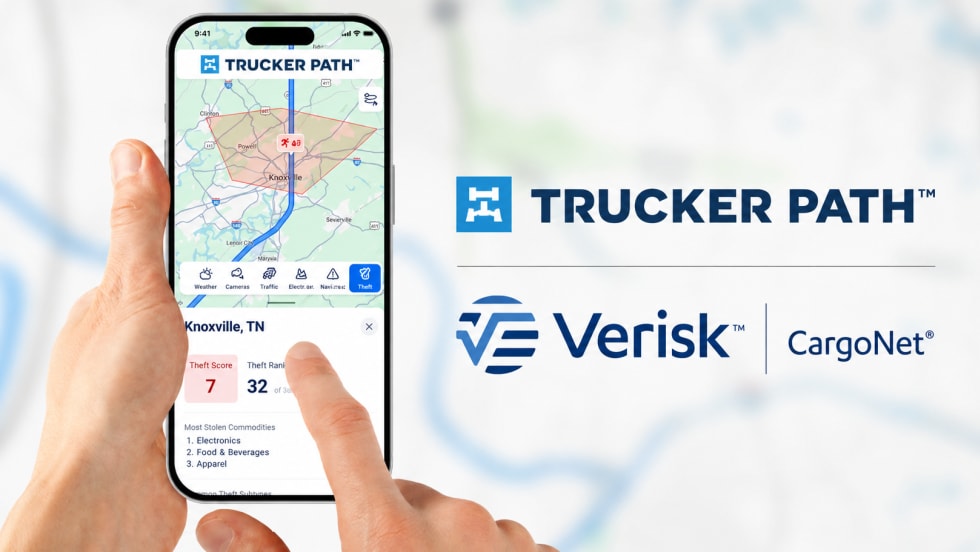
Trucker Path Adds Verisk CargoNet Theft Data to Navigation Platform
Trucker Path’s new cargo theft risk overlays give drivers and fleets visibility into high-risk areas, stolen commodity trends, and theft hotspots.
Read More →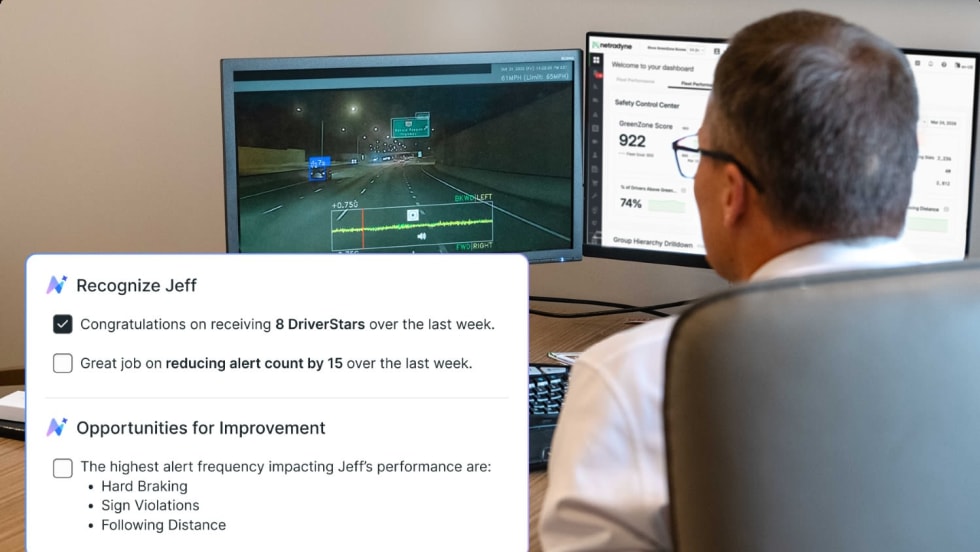
Netradyne Intelligence Uses New AI Agents to Automate Response to In-Cab Camera Data
The company called the next-generation in-cab camera safety platform "a fundamental shift from systems that report on what happened to systems that actively drive what should happen next."
Read More →
Why Truck Detention Keeps Costing Fleets Time and Money
A 2024 ATRI study found detention affects nearly 40% of truckload stops and costs the industry more than $15 billion annually. Despite the toll on drivers, fleets, and supply chains, the problem remains stubbornly persistent.
Read More →
Prime Inc. to Open $7.9M Flagship Used-Truck Dealership
A new driver-focused facility to sell Prime Inc's used trucks and trailers will be the first purpose-built location in the company's history.
Read More →
Short Takes: Inside K&B’s Truck Safety Tech
Listen to learn how K&B Transportation uses cellphone-blocking technology, speed management systems, weather geofencing, bridge avoidance tools, and more to improve driver safety.
Read More →