




Cool It!
Ask not what your cooling system can do for you, but what you must do for your cooling system.

We demand much of our cooling systems these days. Not only do they dissipate the heat generated by combustion within the block, but chances are they also cool large volumes of really hot exhaust gas and in some instances, a turbocharger. Cooling systems are no longer simple loops with a water pump somewhere in the middle, with simple problems like leaky gaskets, rotten rad cores, and bad pump seals.
Engine temperatures once ran around 180-185 degrees. Fast forward to 2007. Temps routinely run 30 degrees hotter today - say, 205-215. We ask a lot of cooling modules that are a fraction of the size of the old systems, and we grumble all the more when they let us down.
There have been growing pains over the past several years with the EPA turning diesel engines into air cleaners. Cooling system and heat rejection complaints were common, but with the benefit of a few years' experience, much of that is behind us now. It's up to you at this point to look after the cooling system.
First, let's define where the cooling system begins and ends.
EGR coolers should be considered part of the cooling system for obvious reasons, and since there exists the potential for cracking, leakage, and cross contamination, it's a component worth paying attention to. The turbo could also be part of the cooling loop, depending on the engine OE.
Radiator mounts, fan shrouds, and of course the belts, pulleys, tensioners, and the fan clutch are integral to the proper function of the system. Check these as well.
There are more sensors on today's systems than in the past, so a system check and a search for corrosion, frayed wires, and failing connectors should be part of the inspection too. Who'd have thought, 20 years ago, that you'd need a circuit checker or a hand-held diagnostic tool for cooling system maintenance?
NEW SYSTEMS, SAME OLD PROBLEMS
The single biggest problem with cooling system performance is still the simplest to remedy: dirty heat exchangers. Mack's Dave McKenna, powertrain marketing manager, says the problem is pervasive.
&"Think of the dirt and dust and debris that accumulate between the fins of a radiator or charge-air cooler. Add a little overnight condensation to that mix, and soon you have a nice solid mud insulator around the fins," he explains. "That reduces the efficiency of the heat transfer tremendously."
The need for good air flow through the radiator can't be overstated. Higher coolant temperatures will force the fan on more often, and today's big aggressive fans will suck 30 horsepower or more from your drivetrain.
And since the radiator is packaged with the charge-air cooler and an air conditioner condenser, plugged cooling fins can impair the performance of other systems as well.
Air-to-air heat exchangers have been with us in one form or another for some time. The same maintenance issues persist there, too. Plugging of the cores, cracking, and separation of the plenum from the core package all cause poor performance, robbing you of better fuel economy. It may not be practical to remove the charge-air cooler for a cleaning, but it will improve your chances of getting all the material out from the cooling fins.
Cracks can develop over time due to vibration and temperature variations, so visual inspections or pressure tests are helpful.
Basic maintenance of the cooling module should include a thorough pressure wash of the radiator/CAC/AC condenser from the engine side, pushing the debris out the front of the cores. With the engine off and key stowed away to avoid an inopportune start up, work from the top down, and get the pressure washer into the upper and lower corners behind the fan shroud. Take care not to bend the fan blades with the wash wand, or to nick the cooling fins.
If you remove the charge-air cooler for cleaning, cover the inlet and outlet tube on the CAC and engine to prevent debris from getting in.
The Technology and Maintenance Council Recommended Practice RP333, "Heat Exchanger Exterior Maintenance and Cleaning," offers solid guidance for ensuring long CAC life and optimum performance.
Hoses and couplings warrant more than a little attention during a cooling system check. While unlikely to fail of their own accord, external forces such as excess heat, pressure, or contamination will take their toll. Inspect all around the hose - the full 360 degrees, McKenna cautions, not just what you can see.
Soft, spongy hoses are suspect, and ought to be replaced, as should those with deformation or discoloration likely caused by proximity to a heat source or chemical contamination. It's wise to inspect the mounts and hose restraints to ensure hoses are kept away from heat sources.
We all remember the under-hood heat issues back in 2002-2004, don't we? They may not be a big concern today, but restraints and heat shields can slip or break away. Take nothing for granted here.
If hose replacement is necessary, avoid using a lubricant to help with installation.
"Silicon hoses tend to be slippery. But people still insist on soaping the inside so they'll slide onto the fittings more easily - or worse, they'll use a petrochemical lubricant. You shouldn't do that," McKenna warns. "The fittings and the inside of the hose need to be pristine clean. Otherwise, the hose will blow off. Use proper clamps, torqued properly. And don't scrimp on the clamps. Use the constant-torque clamps wherever you can."
NEWER SYSTEMS, BRAND NEW CHANGES
Starting with the simple stuff, if you have an auxiliary power unit on board, was the cooling loop hacked into during installation? Improper APU installation can cause coolant flow problems, and with all due respect to the professional and competent APU installers, some of your brethren don't know their butts from hot rocks. If someone has opened the AC circuit during installation, things could be even worse. To avoid problems in the future if they haven't already become obvious, a patch and a reinstall might be in order.
The addition of cooled EGR loops six years ago caused no shortage of headaches for the fan drive people, but most of those problems are behind us now. Higher heat rejection forced fan-on times way up, but worse, the cycling intervals were constant. Fan drives and clutches died by the carload.
These fan clutches require close attention at maintenance intervals. Borg Warner recommends a thorough inspection of the fan blades, and a retorque of the mounting hardware. Check for adequate clearance between the fan and the shroud, and check the drive belts for condition, proper tension, and alignment.
The fan clutch should be inspected for proper engagement and air leaks. Seal replacement kits are available if leaks are detected. Check the clutch lining using the appropriate gauge. If the belts have been removed, check for bearing roughness in the drive hub.
Air lines and electrical connections should be inspected as well, with emphasis on connections at the solenoid valve and the A/C/ pressure switch.
Newer models of electric/viscous fans require less maintenance, but still warrant a visual inspection and check of the electrical connections. While the viscous fans are easier on belts and tensioners, they still need to be inspected. Observe the condition of the belts and check for bearing roughness or play, if the belts are off.
One fleet we heard about complained constantly about poor fuel economy on several units. Somehow it escaped everyone's notice that the engine fans were running constantly. It seems the drivers thought this was normal and didn't report it. The fleet manager was searching through the usual fuel consumption suspects, never suspecting the fan because the drivers didn't report it.
EGR AND YOUR COOLING SYSTEM
A few interesting issues have arisen since EGR was added to our engines, not the least of which was a dramatic increase in under-hood temps. Although that problem all but behind us now on newer engines, there may still be equipment out there subject to the high temperatures. If you've got one of those older units, pay particular attention to the condition of the components located in traditional high-heat areas. Excess heat and time eventually will take their toll.
The EGR coolers themselves, particularly earlier generations, can crack, forcing exhaust into the coolant loop. While not common, it's a problem that could appear to be a different problem. A crack on the hot side of the EGR loop would produce an increase in pressure in the cooling system. This would appear much the same as a leaking head gasket or a bad fire ring. Coolant could froth and overflow the reservoir.
One OE expert we're good friends with - and wish to stay that way, so we won't use his name - warned that cooling system pressure is more critical now than it once was. The company discovered this quite by accident in vehicle testing going into EPA 2007; they were getting cavitation pitting in their EGR coolers. An investigation led to the radiator pressure caps. The spec called for a 15-psi cap, but the supplier had shipped 8-psi caps instead. The lower system pressure was permitting localized coolant boiling to take place in the EGR cooler, thus cavitation was occurring.
The risk here, my pal says, is the old myth that lowering the system pressure will keep the engine running cooler. Today's engines run hotter than previous generations of engines, and that's apparently OK. Changing the thermostat or the radiator cap in the hope of lowering the pressure in the system to keep the engine cooler won't do you any favors. "Today's engines are very sensitive to pressure and temperature," he says. "Don't take matters into your own hands."
Cavitation, of course, can result in the perforation of wet-sleeve cylinder liners - and EGR coolers too, some now suspect. This results from low-pressure areas within the system that allow or cause the surrounding coolant to boil, forming tiny bubbles. The collapse of these bubbles blasts small holes in the surrounding steel. This pitting process will repeat, eventually perforating the metal, be it a wet-sleeve cylinder liner or maybe an EGR cooler.
Proper coolant formulation can prevent this in some cases. But coolant choices are a story in themselves. Suffice it to say that at PM time, care need to be taken not to mix different types of coolant, nitrite with non-nitrite coolant for example.
Long-life coolants require little maintenance or regular testing. But don't let the colors confuse you. Keep good records as to what coolant is in which engine, and warn drivers to make very sure they're topping up with the proper coolant if that becomes required at roadside.
As engines, and indeed cooling systems, become more complex, some of the maintenance chores are getting easier - or at least less demanding. The old hardware issues will likely be with us for a long time, such as radiator and CAC core corrosion, cracking, and other concerns. Improved coolant formulation and advancing technology like viscous drive or magnetic drive fans are improving component life of fans, belts, etc. - in some cases dramatically.
More Fleet Management
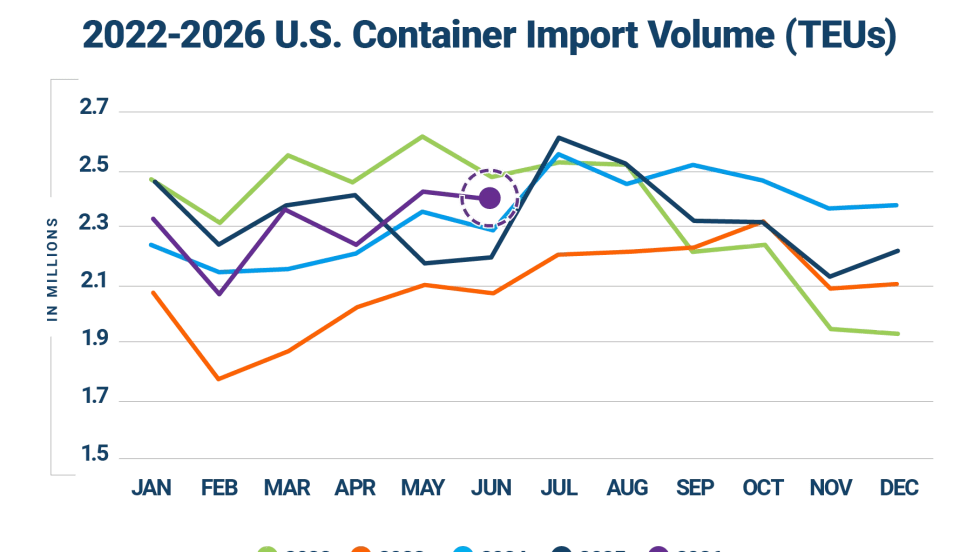
Import Cargo’s Early Peak Season is Winding Down
There was an early start to peak season this year at the nation's gateway ports, as retailers brought in merchandise ahead of tariff changes in late July and responded to other supply chain uncertainties,
Read More →
Fewer Cargo Thefts, Bigger Losses: Criminals Target Higher-Value Loads
CargoNet says organized theft rings are stealing fewer shipments but choosing more valuable freight, including metals and technology, resulting in record losses.
Read More →
How Innovative Trucking Leaders Turn Change Into an Advantage
As the pace of change accelerates in trucking, the fleets that adapt best have more than the latest technology. They have cultures that embrace improvement.
Read More →
Freight Broker Bonds Just Got Harder to Get. Here's What That Means for Your Fleet.
When it gets harder for a freight broker to prove they are financially sound, the ones who cannot clear that bar get pushed out of the market. And those are exactly the brokers who used to leave motor carriers holding the bag.
Read More →
Long-Awaited Canadian Border Bridge to Open in Detroit
For trucking, the bridge opening should offer immediate improvements in efficiency and reliability, with new customs facilities, expanded inspection capacity, and direct freeway-to-freeway connections.
Read More →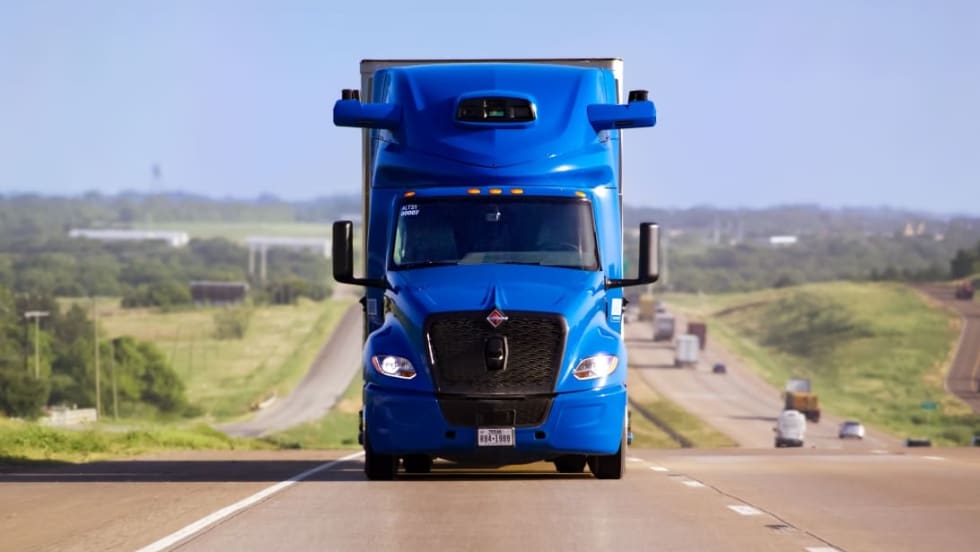
Aurora Rolls Out Next Generation of Driverless Trucks for Commercial Freight
Aurora's latest autonomous trucks it's rolling out with International feature lower-cost hardware designed for a million miles as the company expands commercial driverless freight operations across the U.S. Sun Belt.
Read More →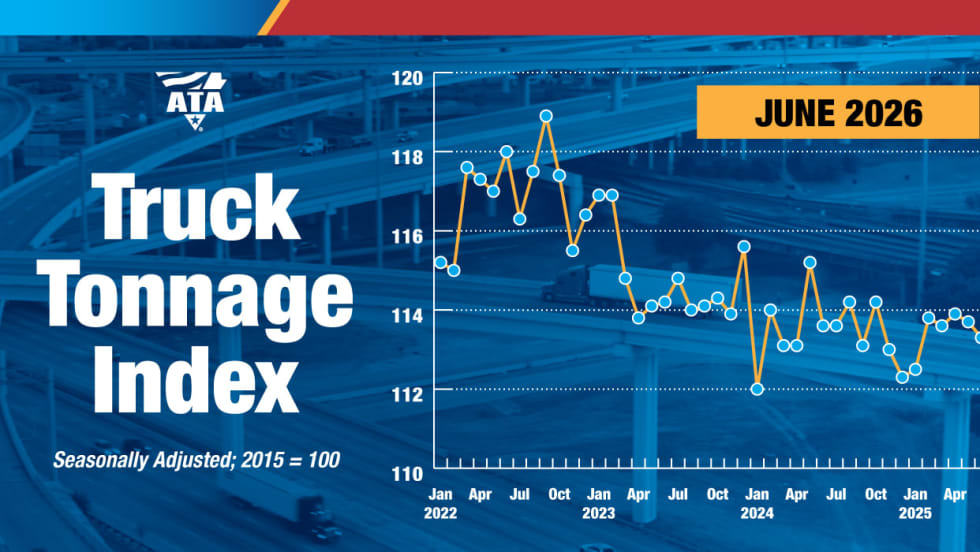
Freight Tonnage Down, Rates up, as Lower Capacity Powers Trucking Recovery
The recovery from the freight recession continues to be driven by reduction in capacity rather than by increased demand.
Read More →
Think Your Trucking Fleet Isn't Using Much AI? Think Again
Shadow AI — the use of unauthorized artificial intelligence tools at work — is becoming increasingly common, putting sensitive company data at risk. Learn how trucking fleets can protect sensitive data while embracing AI.
Read More →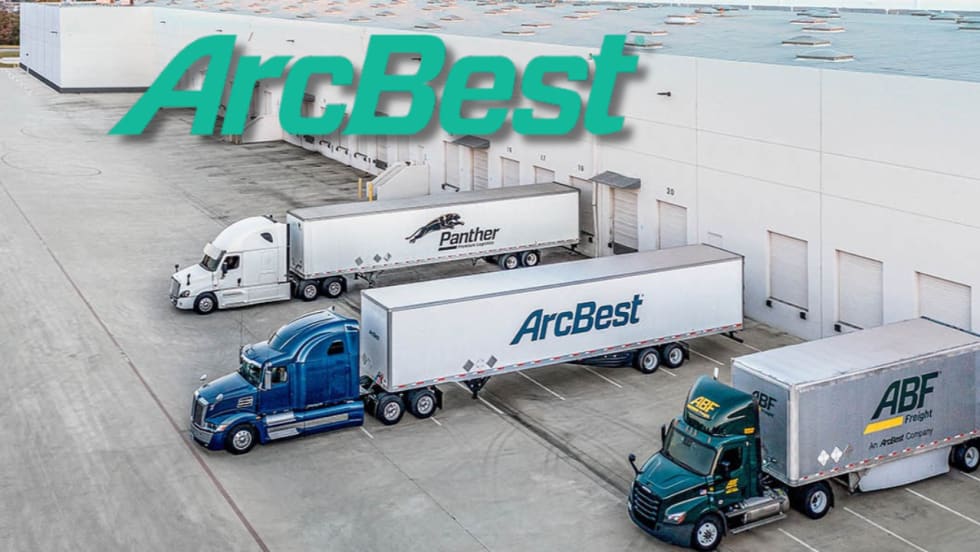
ArcBest Consolidates Brands, Cuts Workforce
The company will bring three business units under the ArcBest brand, eliminate about 2% of positions, and expects the changes to generate $40 million in annual savings.
Read More →
Trucking Fleets Faced Record Operating Costs During Third Year of Freight Recession
ATRI's annual operational cost report shows carriers trimmed fleets, delayed equipment purchases, and ran older trucks as expenses continued to outpace freight rates.
Read More →