




Commentary: Why Not Propane?
Propane as a vehicle fuel doesn’t get enough love these days.It’s been around so long as an alternative fuel option that it just kind of sits in the background awaiting attention, and with the sudden interest in electric trucks, it may be destined to stay there. Commentary by Executive Contributing Editor Rolf Lockwood.
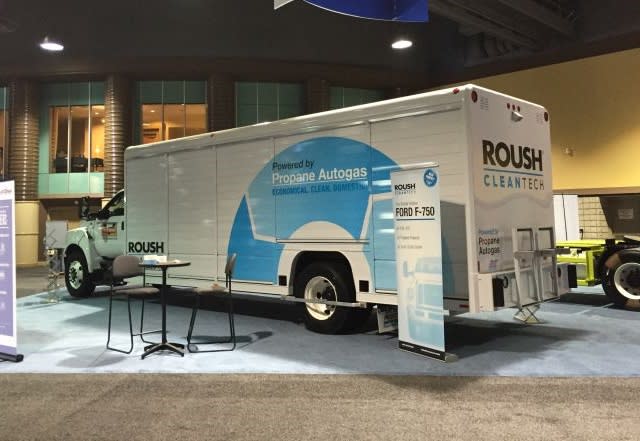
While propane as an alternative fuel has been overshadowed by flashy hybrid and fully-electric powertrains, it is not without its advantages.
Photo courtesy Roush CleanTech
Propane as a vehicle fuel doesn’t get enough love these days. Maybe it’s been around so long as an alternative fuel option that it just kind of sits in the background awaiting attention, and with the sudden interest in electric trucks, it may be destined to stay there.
Even Roush CleanTech, one of the country’s largest purveyors of propane-fueled commercial vehicles, just announced that it will offer a Ford F-650 medium-duty truck powered solely by a battery-electric powertrain next year.
And just a day before I sat down to write this column, Anheuser-Busch said it had placed an order for up to 800 hydrogen-electric tractors from Nikola Motor Company. They’ll be integrated into the brewer’s dedicated fleet beginning in 2020.
While propane can’t compete with fuel-cell technology or battery power in the longer term, it’s not without advantages – and they’re here today.
The subject arose at the Green Truck Summit in Indianapolis earlier this year, as HDT colleague Tom Berg and I listened to a seemingly endless mention of electric and natural gas power options in presentation after presentation. We hadn’t heard any mention at all of propane. A discussion ensued between us, and I asked a nearby friend, an OEM engineer, why propane was under everyone’s radar. “Dunno,” was the response, accompanied by a shrug of the shoulders. So a day later I made my way over to the Propane Education and Research Council booth at the Work Truck Show.
PERC President and CEO Tucker Perkins eagerly pointed out a company that saw its Ford F-450 fleet go from an operating cost of 30 to 19 cents per mile after switching from natural gas to propane. That seemed rather extreme, and I asked for details, which I’ve yet to receive. More transparent is the cost of fuel dispensers. Perkins pointed to what looked more or less like an ordinary gas pump and said it would cost about $70,000. The equivalent natural gas setup? “Five hundred grand on a good day,” he said.
And therein lies a key advantage of propane: It’s a whole lot easier to get into. The fueling infrastructure is also mature and pretty extensive, unlike natural gas, and you can have an on-site tank for relatively little money. Or your fuel supplier may take care of that expense for you.
The fuel price can be a more complex matter. There have been moments in the recent past when prices rose sharply and shortages occurred. However, most fleets running propane will be able to sign long-term contracts pinning down a price that allows them to plan costs effectively.
The usual comparison pits propane against gasoline in light- and medium-duty vehicles, and there’s ample evidence that the former wins in cost terms. So it’s an established option, but have we closed the book on it? How does propane fare against diesel and natural gas? It’s extremely friendly in environmental terms, and it’s abundant, being a component of natural gas. It’s safe to use, easy to handle, and it has pretty high energy density. It’s not suitable for anything larger than mid-range trucks, mind you, but that leaves a pretty big market – and seemingly a pretty big upside.
Related: More than 13,000 Propane Autogas Vehicles Sold in 2017
More Fuel Smarts

Cummins Adjusts 2027 Engine Rollout After EPA Proposal
The engine maker will gradually introduce its new Model Year 2027 diesel engines while continuing to offer current models during the transition, citing the EPA's proposed emissions rule changes.
Read More →
EPA Proposal Could Ease 2027 Truck Costs and Buying Uncertainty
The proposal doesn't change the tougher NOx standard, but it would revise key implementation requirements that manufacturers say have driven up costs and complicated fleet purchasing decisions.
Read More →
Cummins, Paccar Ease DEF Derates After EPA Guidance
Updated diesel engine software gives truck operators more time to address emissions-system issues while staying compliant with EPA emissions standards.
Read More →
Maintenance in the Messy Middle Part 3: Biodiesel
Biodiesel can reduce emissions, improve fuel-system lubricity and use existing diesel infrastructure. But NACFE’s Messy Middle maintenance report says fleets must actively manage storage, cold-weather operation, filters and oil drain intervals to avoid problems.
Read More →
Enhance Fleet Performance with High-Efficiency Auxiliary Power Units
Drive sustainable cost savings while increasing driver comfort during short- and long-haul logistics operations.
Read More →
Maintenance in the ‘Messy Middle’ Part 2: Renewable Diesel Fuel
NACFE's latest Messy Middle Powertrain Service & Maintenance report says renewable diesel gives fleets an opportunity to reduce carbon emissions without changing trucks, fueling infrastructure or maintenance practices. But technicians still need to understand several important operational differences.
Read More →
The Diesel Engine Enters NACFE’s ‘Messy Middle’
NACFE’s new Messy Middle Powertrain Service & Maintenance report says keeping modern diesel engines running now depends as much on software, diagnostics and data as traditional mechanical service.
Read More →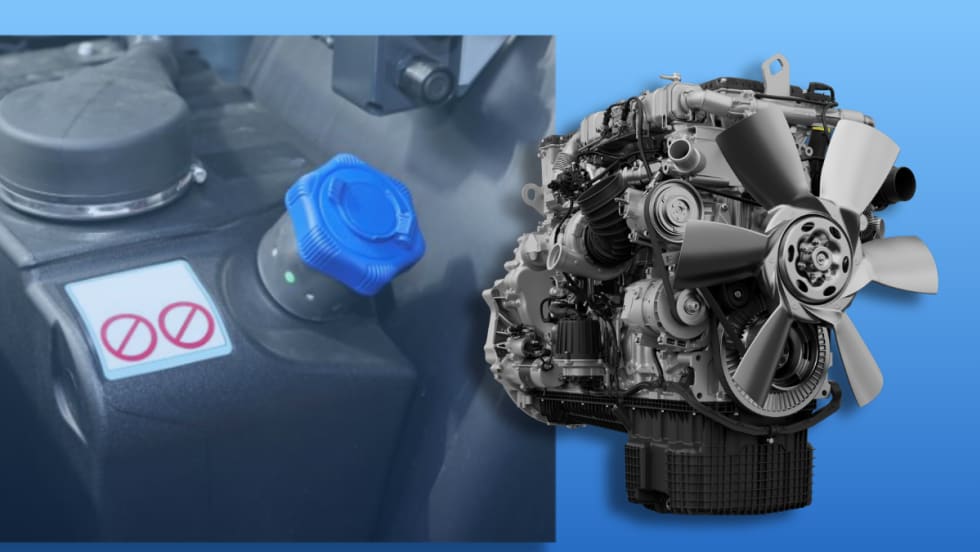
DTNA Software Update Gives Truckers More Time Before DEF Derates Take Effect
The changes reflect EPA guidance aimed at reducing downtime caused by emissions-system faults while maintaining compliance requirements.
Read More →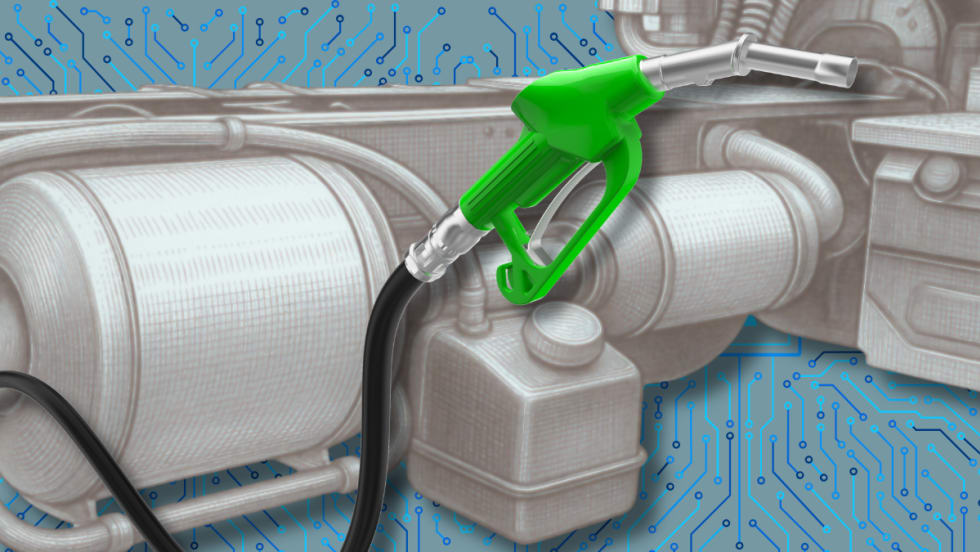
New Agentic Predictive Maintenance Report Demonstrates How Degraded Aftertreatment Systems Waste Fuel
Questar analyzed a large mixed-class fleet and discovered it was wasting as much as $30 in fuel per vehicle, per day, because of mechanically degraded aftertreatment systems.
Read More →
New York City's Microhub Project is Delivering Results
Trucking, last-mile delivery companies, and environmental advocates like what they are seeing so far with New York's microhub program.
Read More →