




Be Prepared for Winter Driving Success
Preparing your trucks for the road can include any number of different checklists, but when it comes to driving through inclement winter weather, there are a few more things to check off.

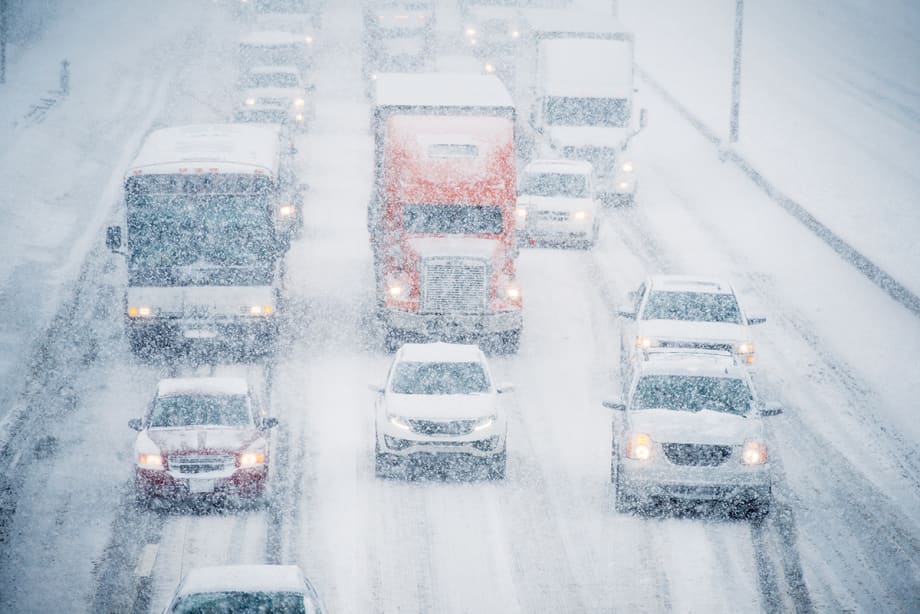
Drivers must add some additional steps to their pre-trip checklist when prepping for winter driving, not only for their safety, but also for the safety of others trudging through these sometimes dangerous driving conditions.
Photo: Gettyimages.com/FatCamera
Preparing your trucks for the road can include any number of different checklists, but when it comes to driving through inclement winter weather, there are a few more things to check off.
There are a number of steps fleet maintenance professionals can take to help prepare trucks – and drivers – for winter driving, according to Chris Hayes, second vice president of transportation, risk control, at Travelers.
Some of the common steps include checking snow chains for any damaged links or fasteners, replacing any tires with low tread, and draining air tanks of moisture daily to prevent ice buildup in air lines and brake chambers. Fleets should also make sure the fifth wheel is properly lubricated with lubricants rated for the temperature ranges drivers are expecting to encounter.
“Additionally, it’s important to consider winter weather’s impact on fuel,” Hayes adds. “For example, drivers that are fueling in a warmer region and driving to a sub-zero region may need to mix an additive in the fuel to prevent fuel from gelling.”
Ensuring a Safe Trip
There are also some non-mechanical steps drivers should take to help ensure a safer trip through rain, sleet, or snow.
“For example, do you need to chain up before leaving? If not, do you have chains readily available in your truck? Is your defroster and heater working properly? Where are the stops on the route if you encounter blizzard-like conditions and need to find a safe place to pull over?” Hayes says.
Just prior to departing, drivers should clear off any snow and ice that has built up on windows and mirrors to ensure maximum visibility. During the trip, they need to remove snow from the rear tail lights and top lamps at each stop along the way.
“This is especially important for trucks having LED lights on the rear, as these lights often do not emit enough heat to melt any accumulating snow,” Hayes says. “Also, be extra alert for unexpected stopped or slowed traffic or spun-out vehicles while driving in snow or icy conditions.”
And drivers need to get plenty of rest. Driving in snow or other inclement weather can be stressful and fatiguing, regardless of experience level.
Planning Ahead
Planning the route allows drivers to become familiar with fueling and identify possible layover points if they need to stop earlier than anticipated because of poor weather conditions. Drivers also should have an action plan for various scenarios.
You can never plan for everything, but it shouldn’t stop fleets and their drivers from thinking ahead and preparing for some of the more common on-road emergencies.
“It’s always a good idea to have extra equipment with you so you can be prepared if your truck breaks down,” Hayes says.
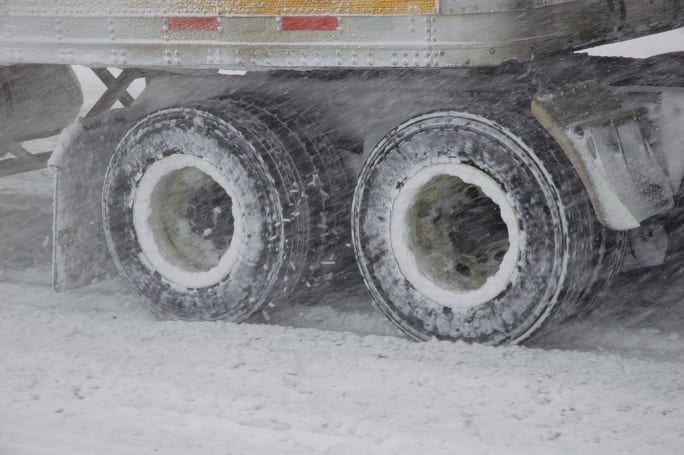
Drivers should always check their snow chains for any damaged links or fasteners and replace any tires with low tread.
Photo: Jim Park
Items such as diesel additives or other fluids the truck may require, warning equipment like triangles and signal flares, extra chains and a first-aid kit, can mean the difference between an uncomfortable situation and an emergency.
Drivers should also take care of themselves. This includes packing extra warm clothing, including gloves should they need to strap on the chains, food, water, a flashlight, a phone charger and prescription medications.
It Takes a Village…
According to Hayes, it takes a team effort between fleet managers, dispatchers and drivers to work and be safe in harsh winter conditions. “But with proper preparation, you can help mitigate the risks drivers face while on the road,” he adds.
In preparation for winter, fleet managers may want to hold a refresher course for drivers to review various winter driving techniques. This can include navigating rough conditions, such as ice, snow and fog, and stressing the need to put safety over getting to your destination in good time.
“Talk through different scenarios, such as how conditions may affect a driver’s stopping distance and the danger of black ice,” Hayes says. “It’s also important for dispatchers to understand what the driver’s experience level is in winter weather and plan accordingly.”
For example, if a route goes through mountain ranges, fleet managers might give that haul to a driver more experienced with mountain driving, especially in the winter. If there are drivers who have less experience, if possible have them shadow a more experienced one.
“Above all, keep safety top of mind,” Hayes says. “When a driver is on the road experiencing poor weather conditions, dispatchers can encourage them to shut down and find a safe place to park until the conditions improve.”
More Safety & Compliance

FMCSA Pauses Biennial-Update Enforcement Amid Motus Transition
Carriers whose updates were due on or after June 1 have more time, while FMCSA works to stabilize its new registration system and warns of phishing sites impersonating its new carrier registration system, Motus.
Read More →
ZF Expands Commercial Vehicle Push in North America
ZF is expanding its North American commercial-vehicle presence with new transmission applications, electrification, trailer technology and autonomous-driving systems.
Read More →
Truck Drivers Need More Than Another Alert
Fleets have more visibility into truck health, safety events, and driver activity than ever. The next challenge is turning all that information into useful guidance for the person who has to decide what to do next.
Read More →
Tesla Wants a Self-Driving Semi. Are Cameras Enough?
Could Tesla’s camera-only autonomous driving technology work on an 80,000-pound Semi? In this commentary, HDT's Deborah Lockridge takes a look at Tesla, Cybercab, and how autonomous trucks see the road.
Read More →
What DOT’s Automated Vehicle Strategy Means for Trucking
The U.S. Department of Transportation issued a new automated-vehicle strategy that outlines plans for driverless-truck regulations, cross-state freight corridors, and federal safety standards.
Read More →
NYC Expands Speed, Pedestrian Safety Tech Across Fleet
New York City is expanding intelligent speed assistance and pedestrian-alert systems across its municipal fleet, moving the technologies from pilot programs into vehicle procurement and retrofit requirements.
Read More →
FMCSA Removes 110 Truck Driver Training Schools from Certified ELDT List
Federal regulators also are targeting more than 160 additional training providers and launching a nationwide audit of third-party CDL skills testers as part of a broader crackdown on trucking fraud.
Read More →
Beyond DOT Compliance: What Makes a Trucking Fleet Truly Safe?
A trucking fleet can follow every rule and still make unsafe decisions. The real test comes when safety conflicts with freight, productivity, or cost.
Read More →
Hours of Service Pilot Programs: FMCSA Readies for 2027 Rollout
Two pilot programs could eventually reshape hours-of-service rules, giving truck drivers options to pause their 14-hour clock or use longer split sleeper rest periods.
Read More →
New Guide Offers Pet Safety Tips for Truck Drivers
Hundreds of thousands of pets travel in truck cabs. A new safety guide from Volvo Trucks and the Center for Pet Safety offers practical advice for truck drivers who bring dogs and cats along for the ride.
Read More →