




ArvinMeritor Brake Experts Offer 10 Tips to Improve Brake Performance
ArvinMeritor offers 10 brake-related tips to help North American truck operators and maintenance professional
ArvinMeritor offers 10 brake-related tips to help North American truck operators and maintenance professionals
get the brake performance they expect.
1) AUTOMATIC SLACK ADJUSTERS (ASA): Always troubleshoot brakes when the air chamber stroke exceeds the allowable limits. When you need to replace one automatic slack adjuster, replace all the ASAs on the same axle with components that meet the original spec. Mismatched brands can result in uneven brake wear, unbalanced braking and poor brake performance.
Meritor automatic slack adjusters should not need to be manually adjusted in service to correct excessive push rod stroke. Excessive stroke may be an indication that a problem exists with the foundation brake, ASA, brake actuator or other system components.
Meritor recommends that you troubleshoot the problem, replace suspect components, and confirm correct brake operation before returning the vehicle to service. In the event that a manual adjustment must be made (although not a common practice), a service appointment and full foundation brake, ASA, and other system components inspection should be performed as soon as possible to help ensure the integrity of the overall brake system.
Always use lubricants specified for brakes and ASA.
2) CAM BRAKES: When you service cam brakes, take time to replace all the springs, anchor pins, bushings and rollers. This includes replacing the cam brake return springs each time cam brakes are relined. The return springs are critical to the alignment, the accurate return of the brake away from the drum, and brake adjustment with the ASA. Inspect the entire brake structure for wear, cracks or other damage. Replace damaged parts with new rather than welding or repairing. Lubricate the cam brake assembly as required.
3) VALVES: When you replace the valves in your air brake system, the new valves should have the same crack pressure as those you're replacing. Why? Because replacing a valve with one that has a higher or lower crack pressure than the original valve can result in an unbalanced brake system and unacceptable lining and drum life.
4) REPLACEMENT LININGS: Replace the linings on all four brakes of a tandem axle or at minimum both brakes of a single axle at the same time. Otherwise, you may experience brake balance problems. Plus, not replacing a unit's brake linings at the same time may contribute to uneven wear, reduced lining life, maintenance problems or drum-cracking. Recommendation: replace brakes as an axle set, and do check the lining condition of the other axles.
5) DRUMS: In the brake drum market, there are two basic types: cast and composite, like the Meritor® SteelLite™ X30. They differ in their abilities to absorb and dissipate heat. Using different weight, sizes or types of drums on the same axle could result in unbalanced braking and improper functioning of the automatic slack adjuster. The result will be poor brake performance due to uneven lining and drum wear.
6) CAM HEADS: All may look the same, but cam heads vary from one manufacturer to another. Some are engineered to provide constant lift while others promise constant torque. As with any brake component, use the proper replacement cam. Failure to do so can result in an unbalanced brake system and unacceptable lining and drum life.
7) CAM ROLLERS: Are they properly lubricated? The way to lubricate a cam roller is directly in the web roller pocket and not at the cam to roller contact area. If you do this correctly you'll avoid creating flat spots. These flat spots adversely affect the brake adjustment which may result in premature brake wear or reduced braking performance. The best time to change your cam rollers is when you reline. That will save you both time and money.
8) LONG-LIFE BRAKE KITS: Brake shoes, rollers, camshafts and shoe return springs for long life brakes are specifically designed as a system for optimum brake performance. These components depend on each other to provide brake performance truck operators can depend on. Using non-OEM spec level components for maintenance or to upgrade from standard to long-life brakes could result in unbalanced braking, poor brake performance or decreased lining life. It's recommended that truck operators use high quality parts to maintain the original system performance, including linings, springs and bushings. When replacing wheel seals, try to use OE-grade seals with proper drivers, and adjust the bearings using appropriate procedures to avoid seal leaks which can damage brake linings.
9) AIR MANAGEMENT SYSTEM: Maintaining dry and clean air supply is important to year-round performance of the air brake system. Regular inspection and check for water and contamination in the system reservoirs is a simple and effective way to keep an eye on the condition. In other words, if oil is observed, identify the source and make repairs as necessary.
Check air compressor operation and governor settings by observing system pressure gauges while the air compressor is in operation and when the governor unloads. Replace air dryer desiccant cartridges and filters on a regular basis and use only OEM-approved service parts. For extra protection, consider converting to a dryer cartridge that incorporates a coalescing filter to capture smaller contamination particles.
10) ANTI-LOCK BRAKING SYSTEM (ABS): Noteworthy is the fact that roadside inspectors do inspect the ABS warning lamp and dash indicator. If ABS faults are present, use the diagnostic help to identify the root cause of the issue. ABS system lights should not be ignored. ArvinMeritor and Meritor WABCO have comprehensive diagnostic documents available on the web under the category of Literature-On-Demand. It's important to realize that the ABS system provides information that is broadcast on the databus which may be used by engines and electronically-controlled transmissions.
Remember, brakes work as a system. When an original part is replaced by a "will-fit" part, performance of the entire system may be compromised. A will-fitter's parts may offer a lower price initially, but they could cost you more down the road in downtime or reduced performance. So, don't take a chance with a component system as important as your brakes. Replace brake and brake system parts with OEM quality standard parts.
Note: Always refer to Meritor Maintenance Manuals for complete service instructions. The manuals are available online under Literature on Demand on www.arvinmeritor.com.
More Maintenance
Rush, MCT Team Up to Grow Refrigeration Service Network
The joint venture will operate MCT's network of Carrier Transicold dealerships and mobile service locations, with the companies promising greater service capacity and uptime for refrigerated fleets.
Read More →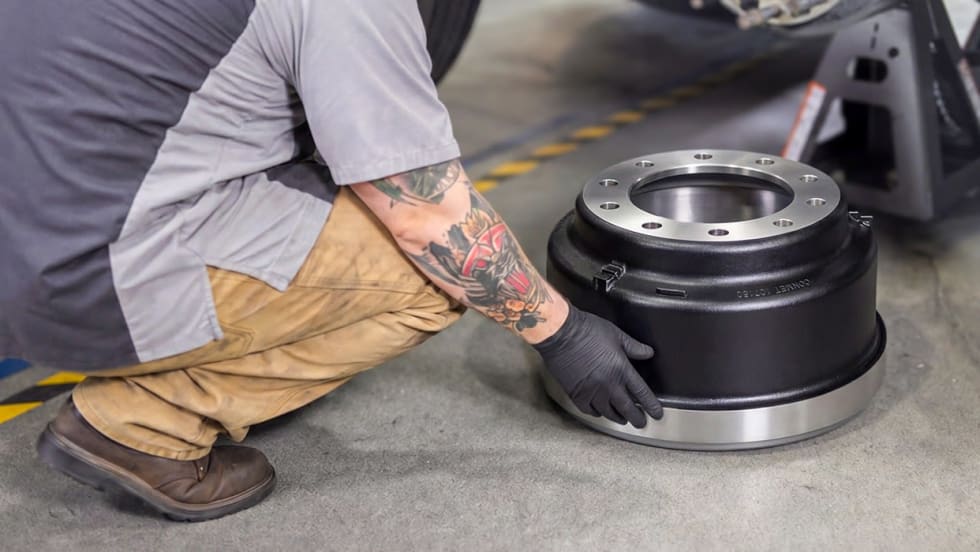
ConMet Expands Aftermarket Brake Drum Lineup With TruCast
A new heavy-duty truck brake drum option in the aftermarket gives customers more flexibility within the ConMet product family.
Read More →
Mack Expands Premium Service Contract Coverage to Medium-Duty MD
With a service contract, inspections, preventive maintenance and repairs can be handled in a single visit instead of multiple ones.
Read More →
Maintenance in the Messy Middle Part 5: Battery-Electric Trucks
No oil changes. No diesel exhaust fluid. No exhaust aftertreatment. But NACFE battery-electric trucks still require specialized maintenance procedures.
Read More →
Trucking Fleets Faced Record Operating Costs During Third Year of Freight Recession
ATRI's annual operational cost report shows carriers trimmed fleets, delayed equipment purchases, and ran older trucks as expenses continued to outpace freight rates.
Read More →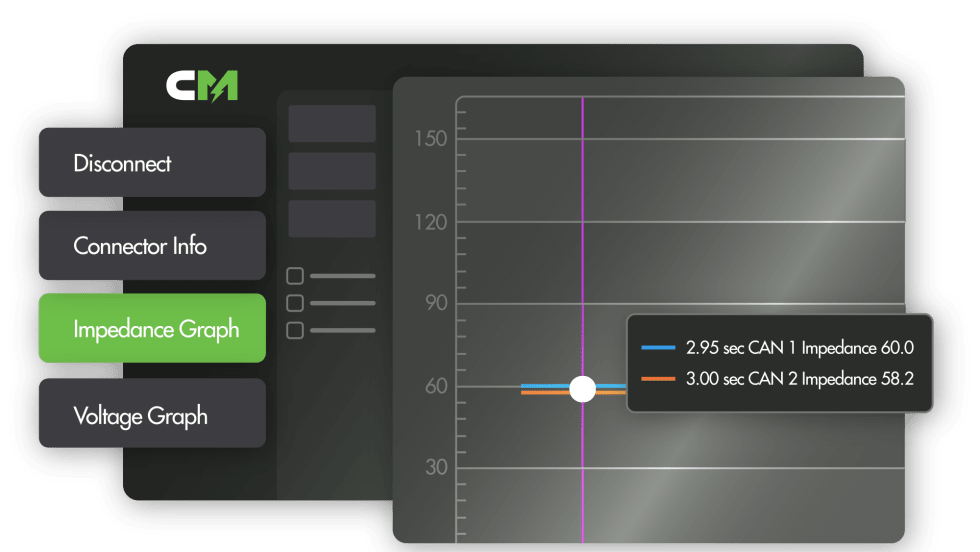
Noregon Launches CAN Mentor to Simplify Vehicle Network Diagnostics
New Noregon software helps technicians identify CAN network issues without requiring advanced diagnostic equipment or specialized training.
Read More →
Maintenance in the Messy Middle Part 4: Renewable Natural Gas
The keys to running renewable natural gas as a fleet fuel depend on specialized technician training, rigorous inspection schedules and an understanding of high-pressure fuel systems.
Read More →
Mack Adds 'Lock & Leave' Feature to Simplify Over-the-Air Software Updates
Mack’s new OTA enhancement allows drivers to start eligible software updates, lock the truck and walk away.
Read More →
Maintenance in the Messy Middle Part 3: Biodiesel
Biodiesel can reduce emissions, improve fuel-system lubricity and use existing diesel infrastructure. But NACFE’s Messy Middle maintenance report says fleets must actively manage storage, cold-weather operation, filters and oil drain intervals to avoid problems.
Read More →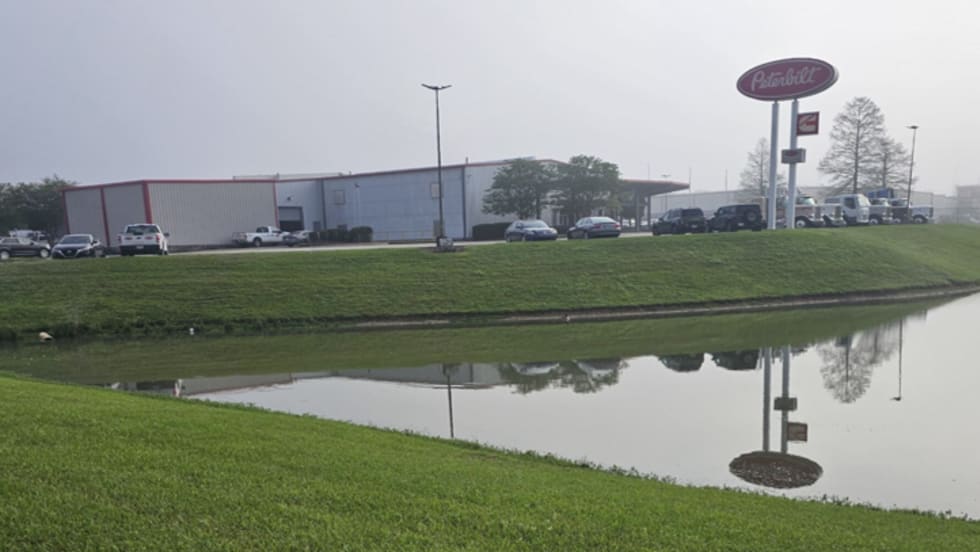
Rush Expands Gulf Coast Peterbilt Network With Louisiana Acquisition
The expanded Rush network gives fleets additional sales, service, leasing and collision repair support across Louisiana's major trucking markets.
Read More →