




Housing Starts Fall While Inflation Remains In Check
Housing starts and permits for new construction fell, not unexpectedly, in July, while consumer prices were almost unchanged for the month
Housing starts and permits for new construction fell, not unexpectedly, in July, while consumer prices were almost unchanged for the month.
The U.S. Commerce Department reported on Friday that housing starts fell 2.7% to a seasonally adjusted annual rate of 1.65 million units in July. That follows a revised 2.7% decline in June. July's rate was the slowest since April. Housing permits, a barometer of future homebuilding activity, posted a slight drop of 0.5% for the month.
Both declines followed stronger than normal spring and summer numbers and did not surprise analysts.
The recent surge in permits as well as the recent pickup in mortgage applications will keep housing starts at the July level or higher for a few more months, says Newport Communications Senior Economist Jim Haughey.
“Homebuilders will absorb the freight and vocational truck capacity freed up by the steep drop in non-residential construction activity," he says.
But Haughey noted this should provide an indirect boost to truck freight volume.
“Mortgage refinancing is pumping $50 billion a year into homeowner bank accounts to finance the continued gains in consumer spending in spite of a weak labor market,” he said.
Meantime a separate report from the Labor Department indicates consumer prices nudged up 0.1% in July.
The increase in the Consumer Price Index follows the same increase in June and should ease any fears that the Federal Reserve could be poised to raise interest rates due to inflationary concerns.
More Fleet Management
Where Electric Trucks Can Charge Now
New depots and truck-stop chargers gave electric trucks more places to plug in in 2026. Here’s where fleets can charge today, how megawatt charging works, and which freight routes to watch in 2027.
 Discuss with peers

Truck Tonnage Slips, Carrier Outlook Improves
For-hire truck tonnage fell 1.8% in October but was higher than a year earlier, and FTR raised its outlook for carriers for at least the next three quarters.

New Independent Contractor Rule Gives Trucking More Clarity
The Labor Department is once again changing how it determines who's an independent contractor. This time, the rule includes specific examples addressing trucking safety requirements, CDLs, and lease-purchase agreements.
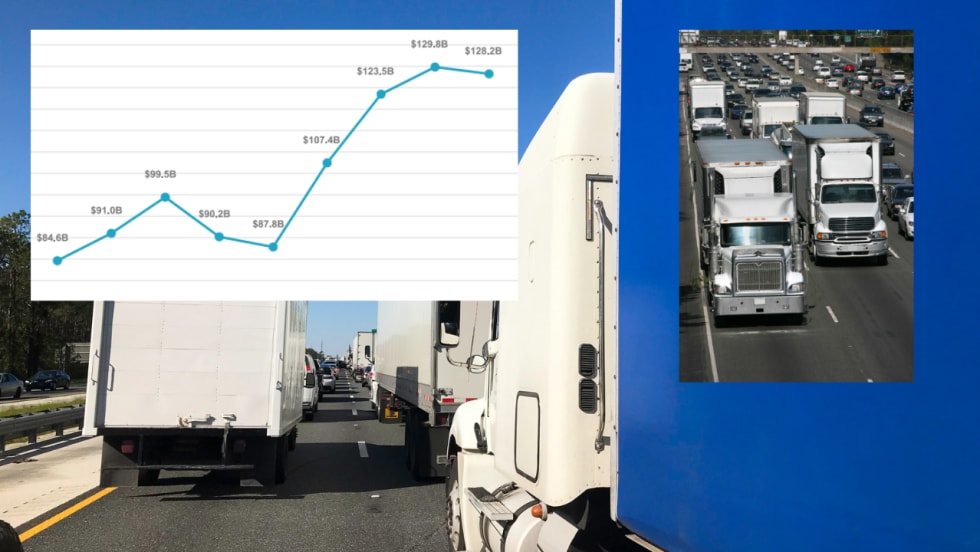
Trucking's Annual Congestion Costs Reach $128.2 Billion
That's the average cost, according to new ATRI research. And the wasted time and diesel are staggering.

How to Modernize Your TMS Without Replacing It [Podcast]
Before investing in a new transportation management system, take a closer look at what you've already got. AI, cloud technology and better integrations may offer ways to improve your trucking operations without starting over.

Could Your Truck's Connected Devices Be a Cybersecurity Risk?
ELDs, telematics systems and driver tablets help fleets operate more efficiently. But every connected device needs protection against cyberattacks.
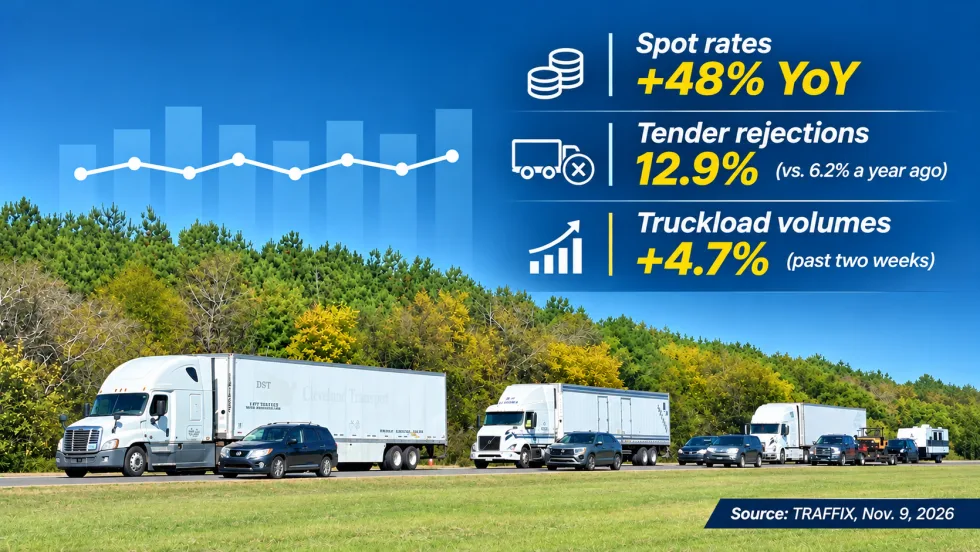
Holiday Freight Meets a Tight Trucking Market
There's no freight boom, but truckload carriers are finding themselves in a stronger position to negotiate rates. And holiday shipping demand could tighten the market further.
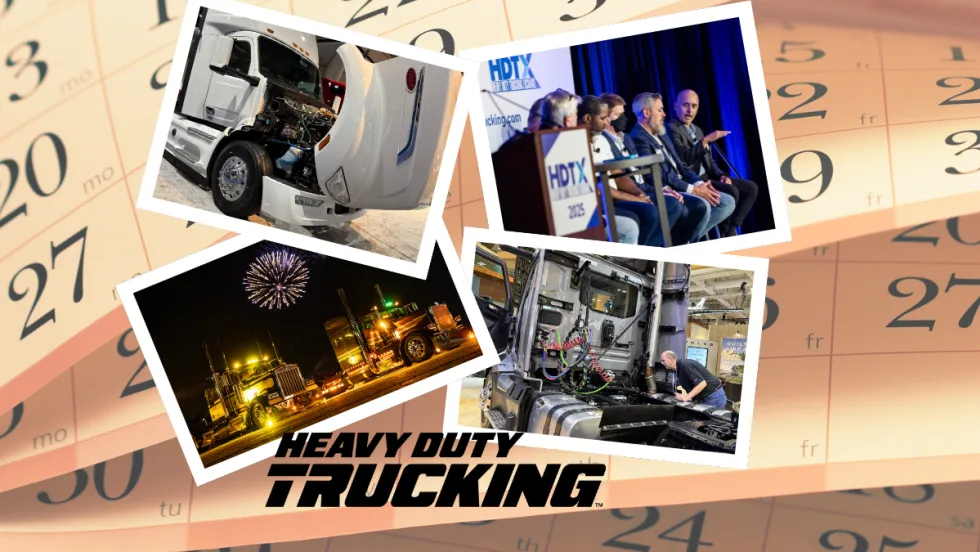
What Trucking Events are Happening in 2027?
Looking for trucking-related conventions, expos, and other events? Heavy Duty Trucking has developed this list of national and larger regional trucking shows and events.

Does Your Trucking Fleet Need a New TMS?
Artificial intelligence and better integrations promise less busywork and more useful data. Can your TMS help your company solve problems? Do you need additional vendors or an upgrade? Or is it time to look for a new platform?
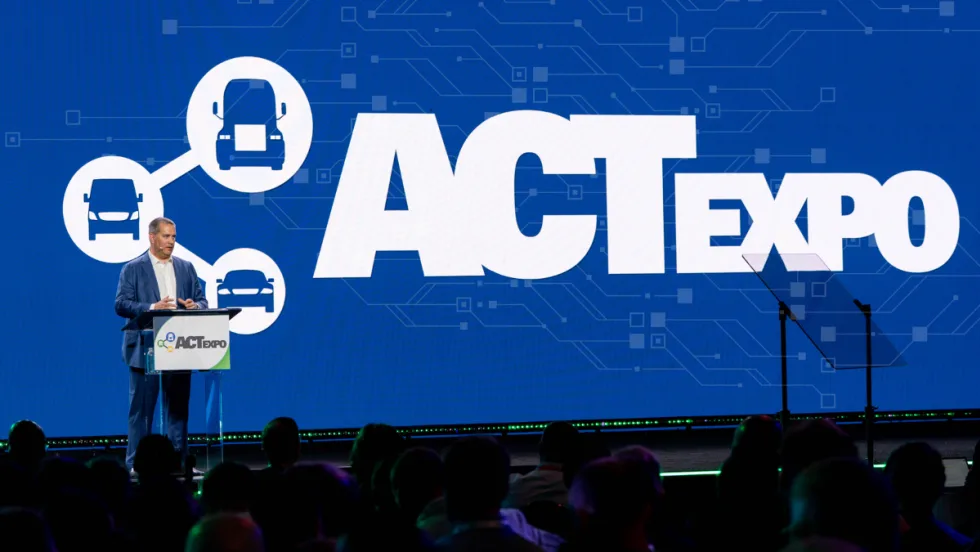
Fleet Costs Shape ACT Expo 2027 Agenda
With diesel prices high and operating expenses under pressure, ACT Expo's 2027 agenda emphasizes fuel efficiency, AI, safety and the return on fleet technology investments.