




NATSO Proposes Unusual Truck Parking Solutions
NATSO yesterday issued a release with its suggestions for solving problems with shortages of truck parking in some areas. A new truck parking trust fund could pay for more parking spaces, said the association, which represents the truckstop and travel plaza industry. NATSO also proposed closing unneeded rest areas so money could be reallocated to areas where more parking is needed. Finally, the trade association urged government to remove barriers to private sector development
NATSO yesterday issued a release with its suggestions for solving problems with shortages of truck parking in some areas.
A new truck parking trust fund could pay for more parking spaces, said the association, which represents the truckstop and travel plaza industry. NATSO also proposed closing unneeded rest areas so money could be reallocated to areas where more parking is needed. Finally, the trade association urged government to remove barriers to private sector development.
Many in the trucking industry want to see states provide more rest area parking, but NATSO believes that truck parking problems can best be solved by the private sector -- its members.
"With about a third of bridges and over one-third of metropolitan area roads in poor or mediocre condition, it is no wonder that most states cannot afford to construct truck terminals at rest areas," said the NATSO release.
"NATSO believes that, in the vast majority of cases, private sector truckstops respond to market forces, and that means they build enough parking to accommodate their customers," said Scot Imus, Vice President of NATSO Government Affairs.
Imus also blamed trucking's current payment system for part of the problem. "There are things the trucking industry can do, such as paying drivers by the hour, not by the mile," he said. "Economic pressures force some drivers to bypass sufficient parking even if that means ending the day in a place without parking."
The Federal Highway Administration is currently studying parking options, and will report its findings to Congress next year.
The taxes currently collected from the trucking industry, while substantial, do not even pay for the damage inflicted on roads, let alone the cost of increased rest area truck parking, NATSO said.
"Our nation's infrastructure is built with a 'user pays' system," Imus explained. "So it makes sense that rest area truck parking would be funded by the users of that parking. It is irresponsible to spend highway trust fund dollars for a service that subsidizes the for-profit commercial trucking industry."
NATSO proposed that a "truck parking trust fund" could be created within the framework of the International Registration Plan (IRP). Under the existing IRP, carriers pay a fee in a single base state or province and declares all jurisdictions in which they will drive, plus the actual or estimated miles driven in each jurisdiction. The registration fee is apportioned among the declared IRP jurisdictions based on miles traveled in those states. NATSO is proposing an additional $300 fee per truck to be added to the IRP for the new trust fund.
States would then be required to use truck parking trust fund dollars on projects that would enhance truck parking availability, including adding rest area spaces, providing better parking information to drivers, or stimulating private sector parking growth.
NATSO also suggested that a state should consider closing rest areas that are near interchanges with plentiful private sector parking, so it can reallocate more money to areas where additional parking is needed. In those places where a rest area is closed, private sector interchange businesses could provide services formerly offered by the rest area.
Finally, NATSO urged that state transportation departments should remove cost-prohibitive road improvement requirements on developers attempting to open new parking facilities.
"It is not uncommon for state transportation departments to require private developers to make costly road improvements before constructing a new truckstop," Imus said. "In fact, states often place this burden on the developers even though the road improvements are part of the state's multi-year transportation plan."
More Aftermarket

What Three Fleets Are Doing Differently When Buying Truck Parts in 2026
With freight improving but costs still climbing, fleet maintenance executives explain how they're balancing price, quality, and supplier relationships.
Read More →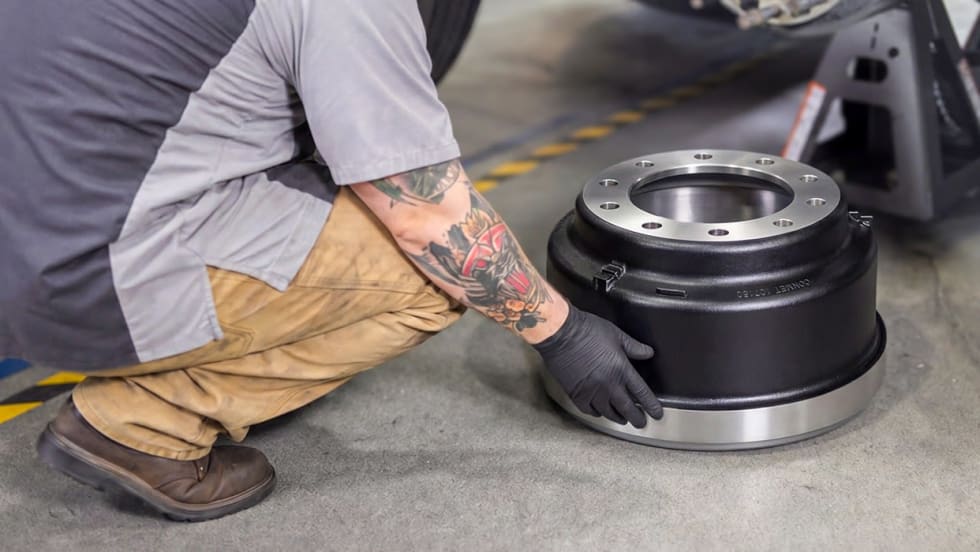
ConMet Expands Aftermarket Brake Drum Lineup With TruCast
A new heavy-duty truck brake drum option in the aftermarket gives customers more flexibility within the ConMet product family.
Read More →
Phillips Opens High-Tech Distribution Center for Faster Parts Delivery
Phillips Industries’ new Cincinnati-area distribution center is now shipping aftermarket trucking parts nationwide, aiming to speed up delivery times for customers.
Read More →
Volvo to Sponsor America’s Road Team for 2025
Volvo Trucks announced that it is extending its exclusive sponsorship of America’s Road Team for 2025.
Read More →
Webb to Start Taking Orders for UltraSet Pre-Adjusted Wheel Hubs
Webb, which recently acquired the Stemco Trifecta pre-adjusted hub program, will soon start taking orders for its replacement pre-assembled hub, the UltraSet.
Read More →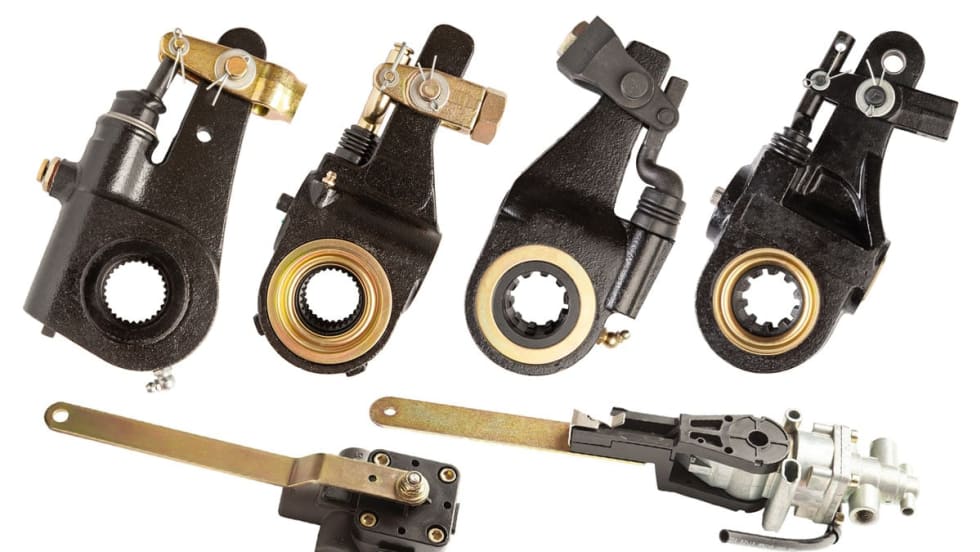
All-Makes Automatic Brake Adjusters, Ride Height Control Valves from Midland
SAF-Holland has added automatic brake adjusters and ride height control valves to its Midland All-Makes Program.
Read More →
ZF Aftermarket Expands [pro]Academy Training
ZF Aftermarket said it is expanding its ZF [pro]Academy training and will be adding 40 new modules this year.
Read More →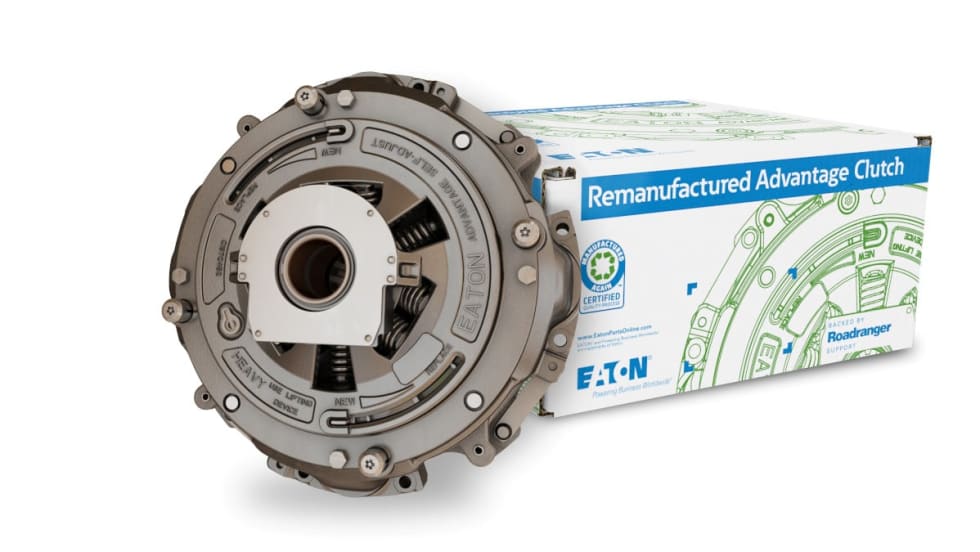
Eaton Adds Remanufactured Advantage Line of Clutches
Eaton has added its Advantage clutches to its remanufactured product line. The clutches feature a unique strap drive intermediate plate designed to allow customers to choose the latest OE specification
Read More →
ConMet Acquires TruckLabs, the Creator of TruckWings
Commercial truck and trailer parts provider ConMet acquired TruckLabs, the company that created TruckWings, an aerodynamic device that attaches to truck cabs and deploys to close the gap between truck and trailer. TruckLabs now operates as a subsidiary of ConMet.
Read More →
Diesel Laptops Releases Fault-Code-to-Part-Number Tool
Diesel Laptops said its Truck Fault Codes allows users to input a fault code and immediately identify and order the parts needed to complete repair work.
Read More →