





Related: Meet the FTR -- Isuzu's Largest North American Truck
Isuzu, Honda Ink Hydrogen Fuel Cell R&D Deal
Isuzu and Honda have announced that they will be working together to develop hydrogen fuel cell technologies for commercial trucks and passenger car markets.
January 17, 2020
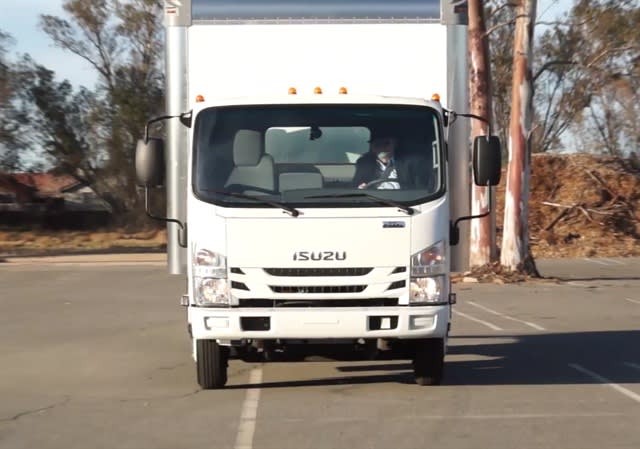
Isuzu and Honda have announced a joint research agreement to develop hydrogen fuel cell technology for commercial trucks.
Photo: Isuzu Commercial Truck America
2 min to read
Research and development costs for new powertrain and automotive technology routinely run into billions of dollars before products are ready to go to market. That said, it only makes sense for OEMs to partner on various projects to reduce those costs and share engineering expertise.
That’s what Isuzu is doing in its bid to develop viable hydrogen fuel-cell technology for medium-duty trucks.
In Tokyo on January 15, Japan-based Isuzu Motors Limited and Honda R&D, a research and development subsidiary of Honda, signed an agreement to undertake joint research on heavy-duty trucks, utsing uel cells as the advanced powertrain technology.
In a press statement, Isuzu noted that it has been striving to promote the use of low-carbon and sustainable energy. To that end, the company has been researching and developing various powertrains, including clean diesel engines, engines for natural gas vehicles. and electric vehicle powertrains, which accommodate a broad range of customer needs and how vehicles are used.
Honda stated that it has been working researching and developing fuel cell vehicles for more than 30 years. In a press statement, Honda called fuel cell vehicles “the ultimate environmental technology” for motorized vehicles.
According to both companies, there are still some issues that need to be addressed to popularize the use of fuel cells and hydrogen energy, including those related to cost and infrastructure. The companies said these issues need to be tackled not only by individual companies. but more expansively through industry-wide initiatives.
Against this backdrop, Isuzu said it is striving to expand its lineup of next-generation powertrains for heavy-duty trucks. While Honda is seeking to expand application of its fuel cell technologies beyond passenger vehicles., .
These joint technological research goals led the two companies to reach the January 15th agreement to conduct joint research on heavy-duty fuel cell trucks.
Both companies bring respective strengths to the table that they have amassed over a long period of time, a Honda press statement noted.
Taken together, the two companies said they will strive to establish the foundation for fuel cell powertrain and vehicle control technologies. Moreover, through this joint research, Isuzu and Honda said they will not only realize clean, low-noise, low-vibration heavy-duty trucks, but also promote expansive discussions by the industry on deploying fuel cells and hydrogen energy to reduce pollution and save fuel.
More Fuel Smarts

Record Diesel Prices Squeeze Trucking Fleets
Average U.S. diesel prices have climbed to nearly $6 a gallon, surpassing the 2022 record as tight refinery capacity and Middle East disruptions keep fuel costs elevated.
Read More →
Sponsored•September 9, 2026
How Fuel Delivery Shapes Engine Performance
Fuel delivery depends on more than what happens at the injector. For fleet, maintenance and technical professionals, looking at the full path from pump to injector can provide useful context for understanding engine performance.
Read More →
East Coast Port Launches $45M Electric Truck Push
The Port Authority of New York and New Jersey announced millions in incentives for zero-emission drayage trucks, yard tractors, and new charging hubs near the port.
Read More →

California Bill Could Shed Light on Electric Truck Prices
Why do battery-electric Class 8 trucks remain so expensive? A California bill headed to Gov. Gavin Newsom would give fleets and state agencies more visibility into what manufacturers charge.
Read More →
Detroit Opens Orders for EPA 2027 Engines
Detroit isn’t starting from scratch to meet EPA 2027 diesel emissions standards. Its Gen 6 DD13 and DD15 engines keep much of today’s platform while updating the fuel and aftertreatment systems.
Read More →
Zero-Emission Truck Corridor Planned for West Coast
California, Oregon, Washington, British Columbia and Baja California are coordinating plans for truck charging and hydrogen fueling from Canada to Mexico.
Read More →
A Closer Look at Kenworth’s Electric T880E Vocational Truck [Video]
Learn more about Kenworth's T880E battery-electric vocational truck at the Paccar Technical Center, including its range, applications, upfitting considerations, and PTO options, in this HDT Spotlight video.
Read More →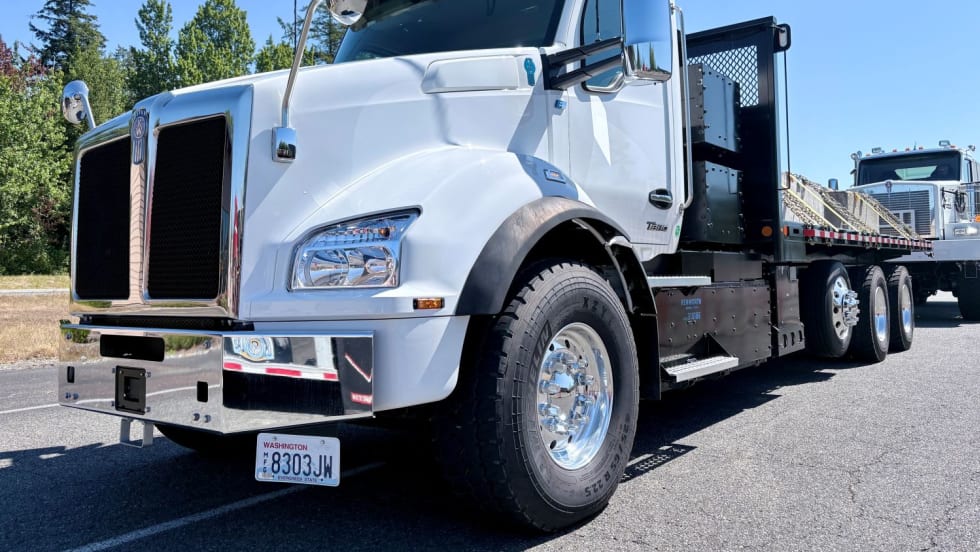
Kenworth T880E Brings EV Power to Vocational Trucks
A closer look at the Kenworth T880E’s range, charging, powertrain and upfit options — and where fleets are showing the most interest.
Read More →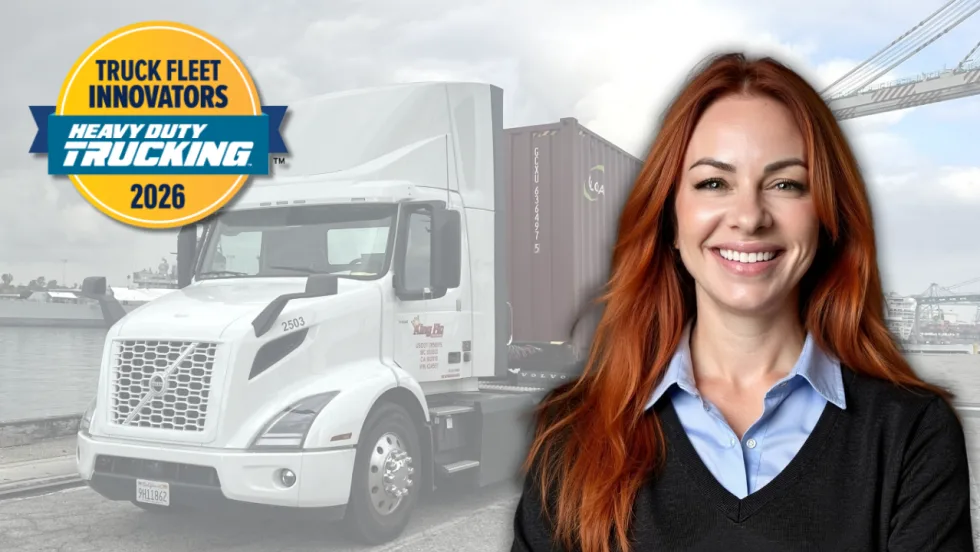
Jennie Abarca Is Proving Electric Trucks Can Do the Job
HDT Truck Fleet Innovator Jennie Abarca is building confidence in fleet electrification one load at a time while openly sharing the challenges she encounters along the way as a small-fleet owner.
Read More →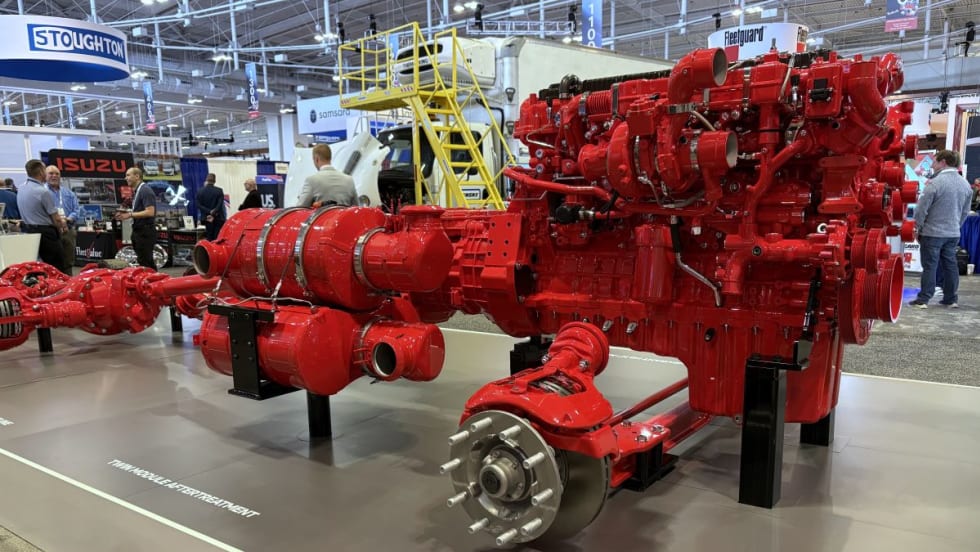
Cummins Adjusts 2027 Engine Rollout After EPA Proposal
The engine maker will gradually introduce its new Model Year 2027 diesel engines while continuing to offer current models during the transition, citing the EPA's proposed emissions rule changes.
Read More →