




Entry-Level Driver Training Rule: To Be Continued?
Word inside the Beltway indicates that the Federal Motor Carrier Safety Administration will delay implementation of its final rule on national minimum-training standards for entry-level drivers.

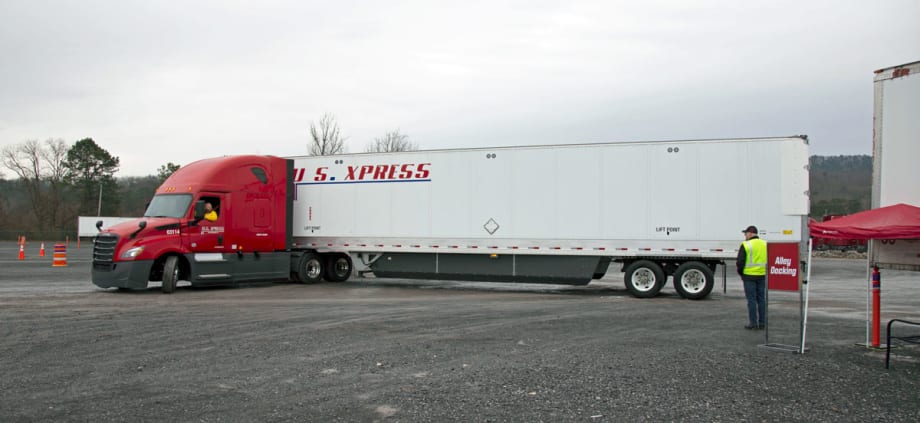
FMCSA has released no official word of any delay in the entry-level driver training rule, but an official told HDT that notice of a delay of up to two years of the entire rule is “working its way through the approval pipeline.”
Photo: U.S. Xpress
Word inside the Beltway indicates that as of Dec. 2, the Federal Motor Carrier Safety Administration will delay implementation of its final rule on national minimum-training standards for entry-level applicants seeking to obtain a commercial driver’s license or certain endorsements.
As of today, the rule is still set to take effect on February 7, 2020, just shy of two months from now. The agency has released no official word of any delay, but an official told HDT that notice of a delay of up to two years of the entire rule is “working its way through the approval pipeline” so that it can be published in the Federal Register.
Indications are that FMCSA is delaying the rule simply because not enough states have adjusted their IT systems to interact work with the federal system. With that in mind, the agency announced a partial delay of the rule’s rollout back in the summer.
FMCSA issued a Notice of Proposed Rulemaking on July 18 that seeks to extend the compliance date for two key elements of the final rule by two years, from Feb. 7, 2020, to Feb. 7, 2022:
The requirement that training providers upload driver-specific training certification information (i.e., proof of completion of theory and behind-the-wheel training) to the Training Provider Registry.
The requirement that state driver licensing agencies confirm driver applicants are in compliance with ELDT requirements before taking a skills test for a Class A or Class B CDL or a passenger or school bus endorsement, or prior to taking the knowledge test to obtain the hazmat endorsement.
The agency said at the time that the partial delay was needed to give it more time to complete development of the electronic interface that will receive and store ELDT certification information from training providers and to transmit that information to state licensing agencies. It also would give those licensing agencies the time needed to modify their IT systems and procedures as needed.
Providing some insider context as to why the agency would delay the entire rule now is Laura McMillan, vice president of Training Program Development at Instructional Technologies. McMillan told HDT that she first heard of a potential delay affecting the entire ELDT rule earlier in the fall in the form of “questions based on rumors” and so started looking into why it might happen.
“The written comments [in the FMCSA rulemaking docket] from state associations and Departments of Motor Vehicles showed they were very concerned with all the confusion about implementing the rule,” McMillan pointed out. “Then to have the rule partially delayed [the July action taken by FMCSA] would only cause more confusion.”
She added that a two-year delay would “buy time for the federal government and the state agencies to implement the rule, but the professional training standards outlined in the regulation will not change.”
The intent of the final rule on entry-level driver training is to “enhance the safety of commercial motor vehicle operations on our nation’s highways by establishing more extensive ELDT requirements,” according to FMCSA.
If the compliance date is pushed out two years, it may not seem much of a delay, given that the rulemaking has been in the works since the 1980s.
More Drivers
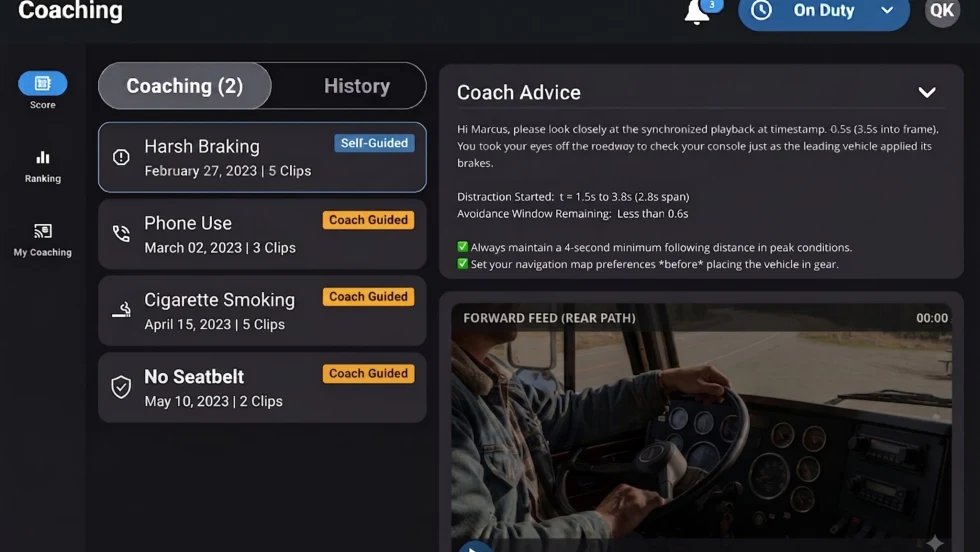
Platform Science Adds Dispatch and Safety Tools
Four additions to PS Fleet help fleets monitor loads, manage driver coaching, share truck locations and adjust video system settings.
Read More →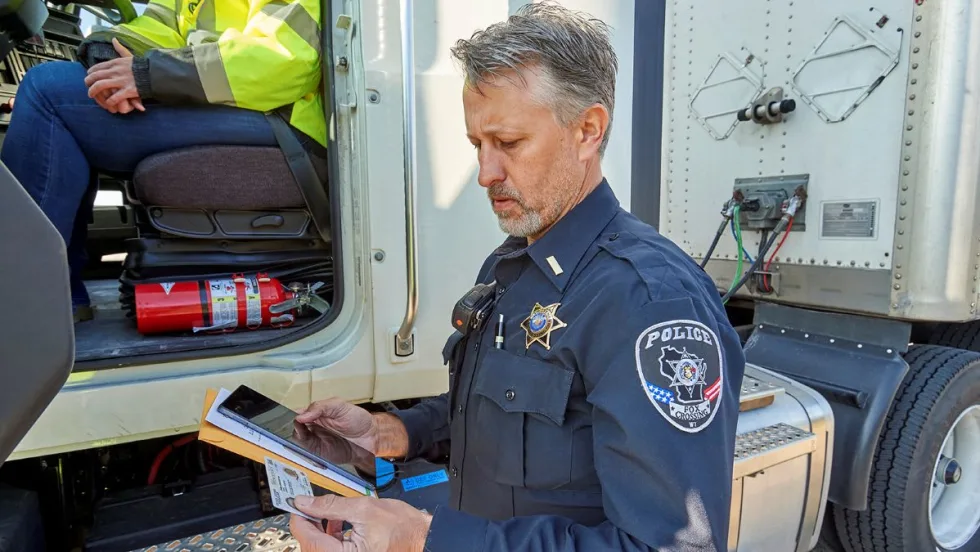
When Language Stops the Truck: The Return of ELP Out-of-Service Orders
English language proficiency rules for commercial drivers aren’t new, but renewed out-of-service enforcement has raised the stakes. Here’s what carriers need to know before a driver reaches a roadside inspection.
Read More →
Samsara Launches Custom AI Agent Builder
Agent Studio lets fleets create AI tools for hours-of-service monitoring, reporting and driver support, including agents that communicate by phone.
Read More →
Trucker Path Expands Reserved Parking Network
Trucker Path has added close to 6,000 more truck parking spaces to its Trucker Path Reserved Parking Network with the addition of Safe Truck Parking.
Read More →
EEOC Sues Texas Trucking Company Over Driver Age Limits
The agency says Trancasa USA rejected applicants over 65 and applied tougher driving-record standards to those over 60.
Read More →
Nussbaum, Roehl Announce Second Driver Pay Increase This Year
This year has seen a swath of major truck driver pay increases as freight capacity has tightened.
Read More →
From One Generation to the Next: How Mentorship Builds Safer Truck Drivers
After three decades in trucking, Harold Perry shares what he's learned about driver safety, mentorship, and helping the next generation build confidence behind the wheel.
Read More →
Truck Drivers Need More Than Another Alert
Fleets have more visibility into truck health, safety events, and driver activity than ever. The next challenge is turning all that information into useful guidance for the person who has to decide what to do next.
Read More →
FMCSA Removes 110 Truck Driver Training Schools from Certified ELDT List
Federal regulators also are targeting more than 160 additional training providers and launching a nationwide audit of third-party CDL skills testers as part of a broader crackdown on trucking fraud.
Read More →
Hours of Service Pilot Programs: FMCSA Readies for 2027 Rollout
Two pilot programs could eventually reshape hours-of-service rules, giving truck drivers options to pause their 14-hour clock or use longer split sleeper rest periods.
Read More →