





Related: NTSB Finds Tesla Autonomous Control Activated During Crash
NTSB Wants Tighter Rules for Autonomous Vehicle Tests
The National Transportation Safety Board is urging Congress and the state of Arizona to create a review process to make it safer when autonomous vehicles are tested on public roadways.
November 20, 2019
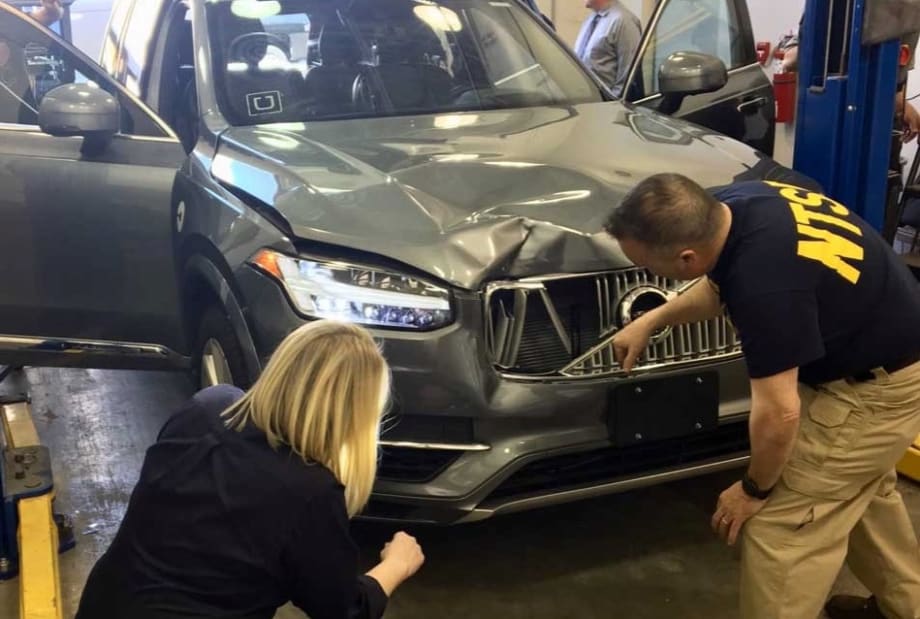
NTSB Investigators examine the Volvo XC90 sedan involved in a fatal crash on March 18, 2018, while under Uber autonomous control.
Photo: NTSB
3 min to read
The National Transportation Safety Board is tapping the brakes on autonomous vehicle tests on public roads. On Nov. 19, the agency called on lawmakers to create a review process before allowing automated test vehicles to operate on public roads, based upon the agency’s investigation of a fatal collision between an Uber automated test vehicle and a pedestrian.
During a board meeting held to determine the probable cause of the March 18, 2018, Tempe, Arizona, crash, the NTSB said an Uber Technologies Inc. division’s “inadequate safety culture” contributed to the fatal collision between an Uber automated test vehicle and a pedestrian. The vehicle operator was uninjured in the crash; the pedestrian died.
According to NTSB's review of the accident, Uber’s Advanced Technologies Group modified the 2017 Volvo XC90 with a proprietary, developmental automated driving system. The vehicle’s factory-installed forward-collision warning and automatic emergency braking systems were deactivated during the operation of the automated system. An Uber ATG operator was in the driver’s seat, but the automated system was controlling the vehicle when it struck the pedestrian at 39 mph.
NTSB investigators determined that the immediate cause of the collision was the failure of the Uber ATG operator to closely monitor the road and the operation of the automated driving system, because the operator was visually distracted throughout the trip by a personal cell phone.
Contributing to the crash, the report said, was Uber ATG’s inadequate safety risk assessment procedures, ineffective oversight of the vehicle operators, and a lack of adequate mechanisms for addressing operators’ automation complacency – all consequences of the division’s inadequate safety culture.
“Safety starts at the top,” said NTSB Chairman Robert L. Sumwalt in a release. “The collision was the last link of a long chain of actions and decisions made by an organization that unfortunately did not make safety the top priority.”
The pedestrian’s impairment at the time of the crash, coupled with crossing outside a crosswalk, contributed to the crash, as did the Arizona Department of Transportation’s insufficient oversight of automated vehicle testing, the NTSB found.
Among the investigation’s findings:
The Uber ATG automated driving system detected the pedestrian 5.6 seconds before impact. Although the system continued to track the pedestrian until the crash, it never accurately identified the object crossing the road as a pedestrian – or predicted its path.
Had the vehicle operator been attentive, the operator would likely have had enough time to detect and react to the crossing pedestrian to avoid the crash or mitigate the impact.
While Uber ATG managers had the ability to retroactively monitor the behavior of vehicle operators, they rarely did so. The company’s ineffective oversight was compounded by its decision to remove a second operator from the vehicle during testing of the automated driving system.
Uber ATG made several changes to address the deficiencies identified, including implementation of a safety management system.
The NTSB issued a total of six recommendations to the National Highway Traffic Safety Administration, the state of Arizona, the American Association of Motor Vehicle Administrators, and Uber ATG. Among them, NTSB recommended that NHTSA require entities wishing to test a developmental automated driving system on public roads to submit safety self-assessment plans before being allowed to begin or continue testing and that NHTSA should review the plans to ensure they include appropriate safeguards.
More Safety & Compliance
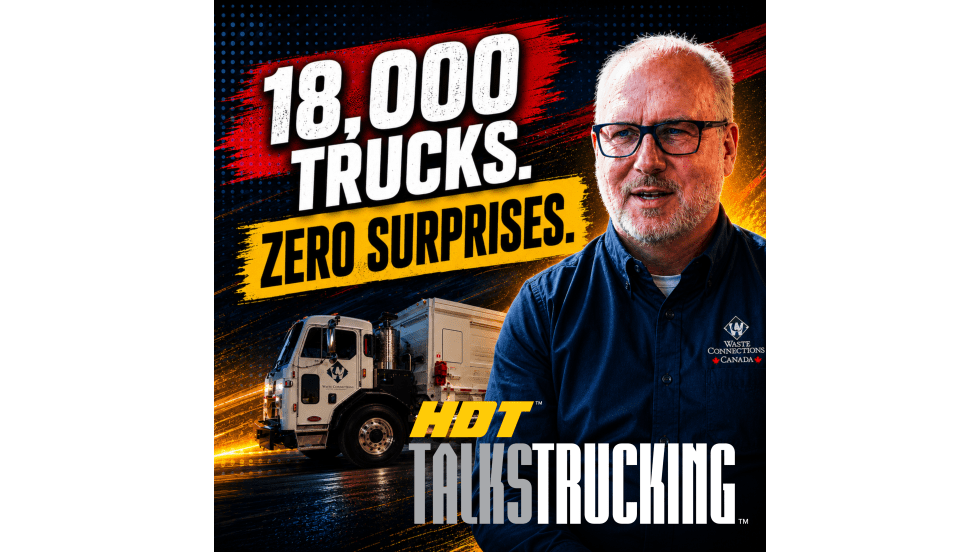
How Waste Connections is Using Data, Telematics, and AI
How do you manage and maintain more than 18,000 connected trucks? Data. Lots of it.
Read More →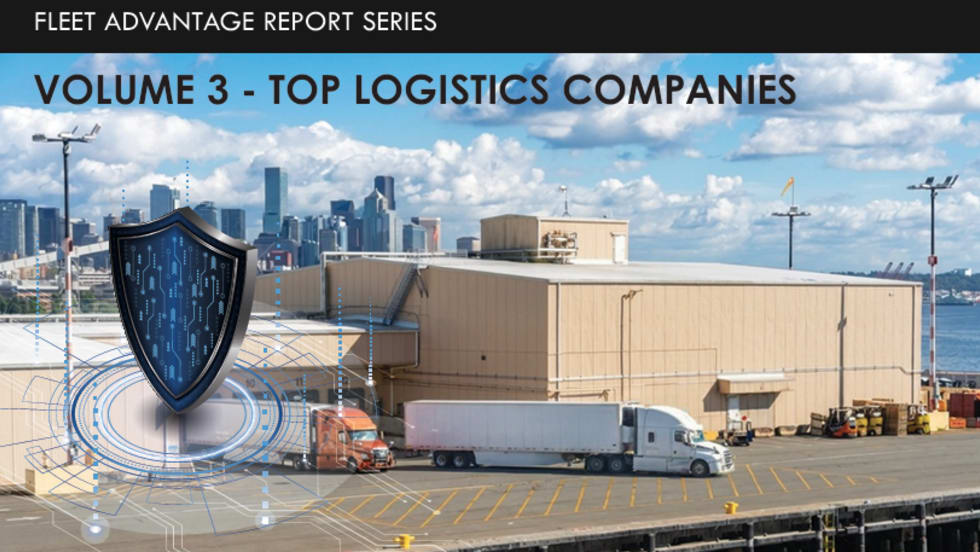
Fleet Advantage: Top Logistics Fleets Outperform National Safety Benchmarks
Fleet Advantage's latest TRUST Safety Index found leading logistics fleets maintained significantly lower out-of-service rates and stronger safety scores than national averages, while highlighting persistent challenges related to tires, brakes, and unsafe driving behaviors.
Read More →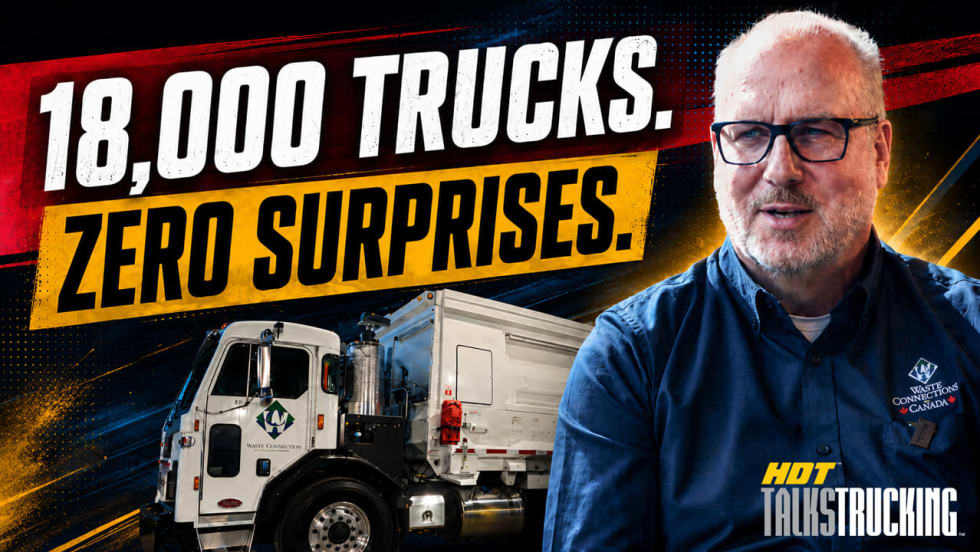
Why Fleet Data Matters More Than Ever at Waste Connections [Watch]
Waste Connections' Chuck Palmer explains how telematics, predictive maintenance, safety analytics, and AI help keep vehicles on the road and drivers safe in this episode of HDT Talks Trucking.
Read More →
Short Takes: How K&B is Using AI
Fleets need to "get on board the train" with AI, says Lance Evans of K&B Transportation in this HDT Talks Trucking Short Takes episode.
Read More →
Short Takes: Inside K&B’s Truck Safety Tech
Listen to learn how K&B Transportation uses cellphone-blocking technology, speed management systems, weather geofencing, bridge avoidance tools, and more to improve driver safety.
Read More →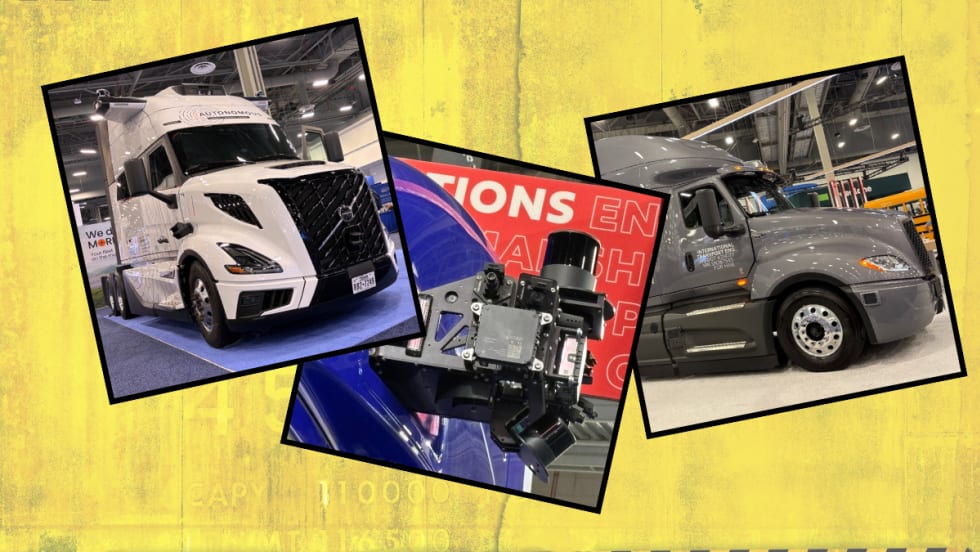
The Biggest Gap in Driverless Trucking Isn’t Tech. It’s Safety Validation
Nauto’s Stefan Heck says autonomous trucks are advancing quickly but proving they’re safe enough for large-scale deployment may be the industry’s hardest challenge.
Read More →
Truck Crash Rates Are Down. So Why Do Insurance Costs Keep Rising?
ATRI’s latest research points to litigation, social inflation, and soaring claims costs as key drivers behind record-high liability premiums for trucking fleets. But there are things motor carriers can do.
Read More →
FMCSA Removes More Than a Dozen ELDs from Registered List
The FMCSA continues its efforts to fight electronic logging devices that don't meet federal requirements, removing more than a dozen from the registered ELD list in May.
Read More →
How the Supreme Court Broker Liability Ruling Could Reshape Trucking’s Safety Landscape
The Supreme Court’s May 11 broker-liability ruling may not radically rewrite transportation law overnight. But industry experts say it will intensify pressure on brokers, carriers, and shippers to prove they are prioritizing safety.
Read More →
Recall of Fontaine Fusion Flatbeds Warns Owners Not to Use the Trailers
Some Fontaine Fusion flatbed trailer manufactured between February 2025, and March 2026 could have mainbeams weakened by hydrogen embrittlement because of a problem in the galvanizing process.
Read More →