





Related: On the Road to Cracking 10 MPG
Volvo Introduces Enhanced Turbo Compounding for D13 Diesel
Volvo says its next generation of turbo compounding technology will provide a 3% boost in fuel economy compared to its current 13L engine.
August 16, 2019
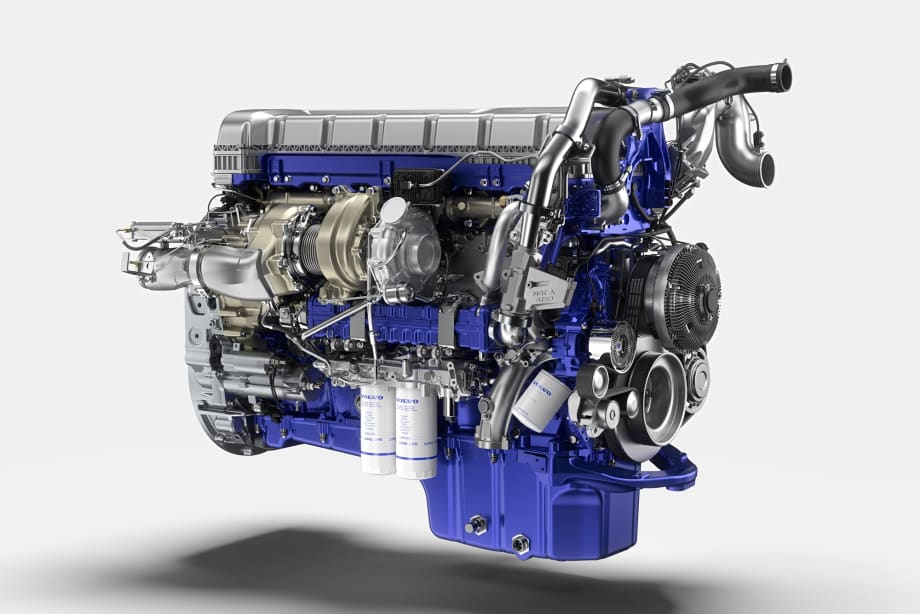
Volvo says its next generation turbo compound engine from provides up to an additional 3% improvement in fuel efficiency over its current 13-liter turbo compound engine.
Photo: Volvo Trucks North America
3 min to read
Volvo Trucks North America is introducing the next generation of its turbo compound technology, providing up to an additional 3% improvement in fuel efficiency over the current 13L turbo-compound engine, the D13TC. This new engine delivers up to 11% fuel savings overall compared to model-year 2015 trucks, Volvo said.
Volvo announced other improvements for the next-generation D13 as well, including enhanced efficiency over a wider range of applications, more engine ratings, and a new EE Extra Efficiency drive mode.
The new D13TC will be available for order in the fourth quarter of 2019 and go into production at the end of the first quarter of 2020.
“We developed our first generation of the Turbo Compound engine in 2017, and since then almost 300 million miles have been logged, validating the up to 8% fuel-savings benefits,” said John Moore, product marketing manager at Volvo Trucks North America. “This new D13TC builds upon this game-changing engine technology, further increasing fuel efficiency by up to 3% over the current D13TC engine, saving approximately $1,200 per year per truck, based on the average fuel price and 125,000 miles per year.”
Volvo Trucks’ new D13TC offers three individual drive modes, Dynamic Torque, an additional 405-hp rating, and the next evolution of the Volvo Trucks’ patented wave piston design. These updates enable further-increased fuel efficiency over a wider range of loads, vehicle speeds and engine rpm. This offers a broader use of applications compared to the first generation of the D13TC engine, which was designed specifically for over-the-road, long-haul applications for trucks loaded at 80,000 pounds.
The three individual drive modes available with the new D13TC engine are Extra Efficiency, Economy, and Performance. These modes will allow the driver to better optimize fuel efficiency for the vehicle with desired performance, depending on application, topography and driving conditions. This new engine also features a wider rpm efficiency band, which enables top fuel efficiency for longer periods of time.
Volvo describes Dynamic Torque as an incremental torque system designed to provide the right torque at the right time. Rather than operating in silos of high-torque and low-torque modes, Dynamic Torque automatically sets a torque level dependent upon the weight of the truck, the grade, and the road conditions at any given time. Dynamic Torque also features an automatic 12th gear lockout on heavy loads with Adaptive Gearing engine ratings. A kick-down switch along with performance drive mode allow access to full torque for customers requiring it on demand. This simpler, more effective system on the new D13TC engine will provide an even more consistent improvement in fuel efficiency across different applications, enabling customers to cut costs on a wider range of operations, Volvo said.
The new engine also features a revised wave piston, designed and patented by Volvo Trucks. The improved design optimizes wave technology to evenly distribute the air/fuel mixture in the cylinder, burning the fuel more consistently than a traditional piston. Volvo’s design increases the compression ratio from 17:1 to 18:1 while maintaining up to a 90% reduction of soot in the cylinder, further improving fuel efficiency in the engine.
“The individual drive modes allow drivers new heights in fuel efficiency without sacrificing performance. We are also taking it to the next level with a simpler torque package that delivers the right torque at the right time,” said Moore. “Not only is it cutting edge when it comes to sustainable use of diesel in the transportation industry, but it is the most fuel-efficient Volvo engine on the market for our customers, with trucks running cleaner at a reduced cost.”
More Fuel Smarts

Why Small Fuel Savings Matter in Trucking
Can better fuel economy help pay for driver raises? In this podcast, GP Transco explains how small efficiency gains create room to reinvest in its people.
Read More →
How GP Transco Cuts Trucking Fuel Costs, a Tenth of a Gallon at a Time
What’s another tenth of a mile per gallon worth? GP Transco shares how equipment upgrades and driver coaching turn small gains into meaningful fuel savings.
Read More →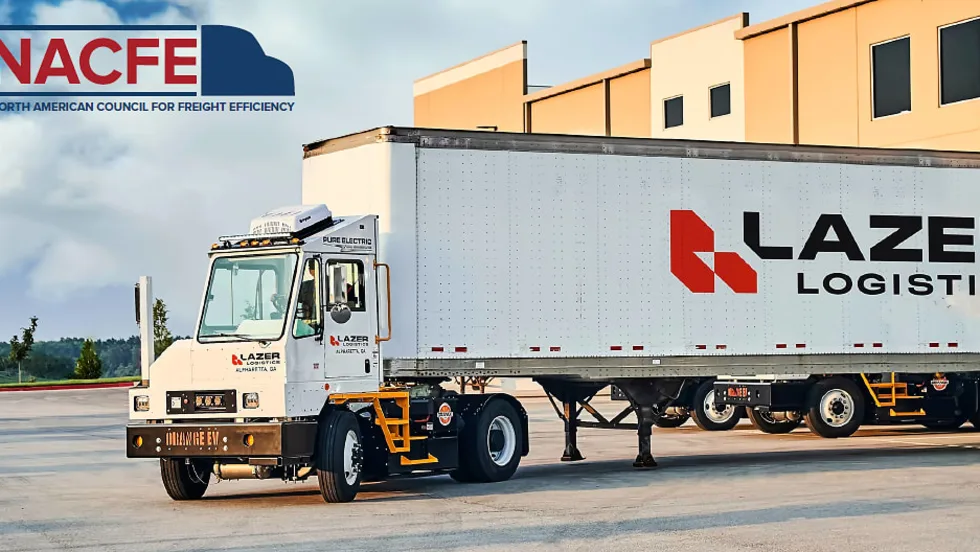
Electric Yard Tractors Move Beyond Pilots
Operating-cost savings have overtaken sustainability goals as the leading reason surveyed fleets are adopting battery-electric terminal tractors, according to new NACFE research.
Read More →
Geotab Links Fleet Card to Vehicle Data
The new card combines fuel discounts with telematics-based purchase controls. Geotab’s analysis also points to potential savings from choosing lower-priced fuel stops.
Read More →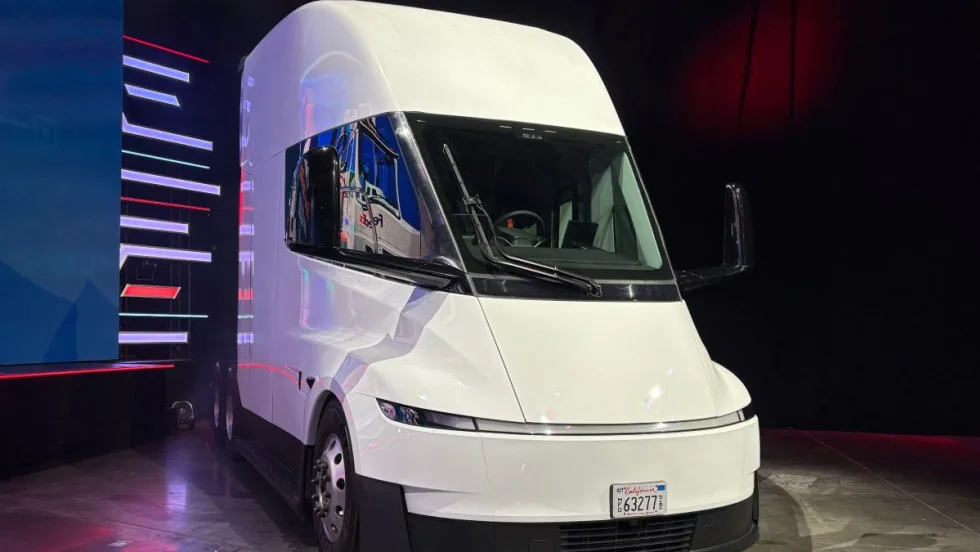
Fleet Economics Shape Electric Truck Outlook
ACT Research expects costs, charging infrastructure, and technology improvements to drive zero-emission commercial vehicle adoption as federal regulations and incentives retreat.
Read More →
Wex Adds Cardless Fuel Payments for Over-the-Road Customers
A new fuel card feature for Wex customers offers convenience and security.
Read More →
New California Law Could Shed Light on Electric Truck Prices
Why do battery-electric Class 8 trucks remain so expensive? A California bill signed by Gov. Gavin Newsom would give fleets and state agencies more visibility into what manufacturers charge.
Read More →
How Volvo Updated Its D13 for EPA 2027 [Watch]
Volvo’s updated D13 promises lower emissions without sacrificing performance or fuel economy. Take a closer look at what changed inside the engine in this HDT Spotlight video.
Read More →
Diesel Price Spike Shortens Payback for Natural Gas Trucks, Report Says
Energy Vision estimates fleets could recover the higher purchase price of an RNG-fueled Class 8 tractor in 1.3 to 2.8 years under current fuel-price scenarios.
Read More →
Calstart Becomes Catalyst Mobility, Reflecting Broader Focus
Calstart is now Catalyst Mobility, reflecting the nonprofit’s growing national role in clean transportation, including zero-emission trucks, infrastructure and incentive programs.
Read More →