





Related: Amazon Adding Freight Marketplace, One-Day Standard Prime Shipping
UPS to Add Sunday Delivery Service
UPS has announced that on Jan. 1, 2020, it will begin offering customers pick-up and delivery services seven days a week.
July 25, 2019
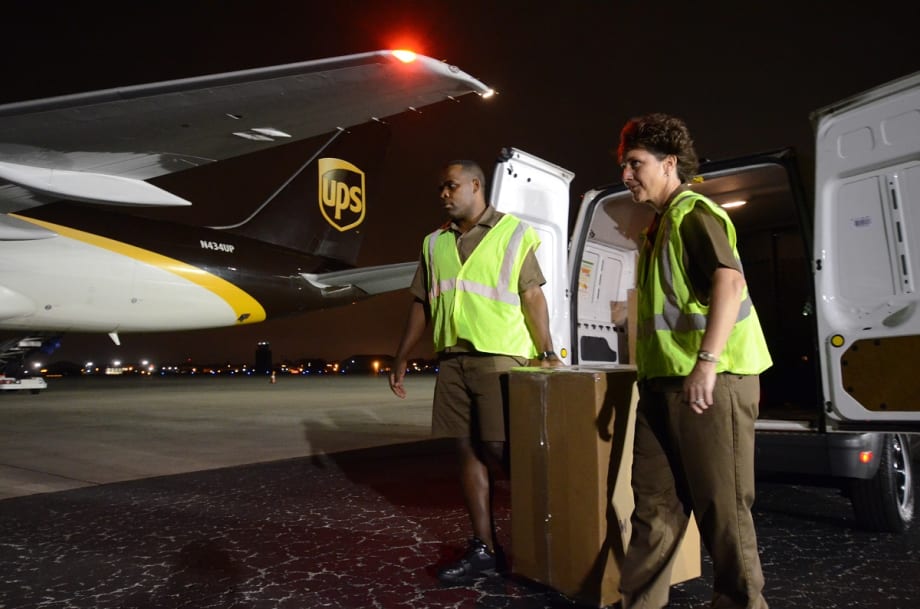
Starting next year, UPS will be offering customers pickup and delivery services every day of the week.
Photo: UPS
1 min to read
UPS has announced that on Jan. 1, 2020, it will begin offering customers pickup and delivery services seven days a week.
UPS will expand its current Saturday pickup and delivery services for both residential and business locations and add new Sunday pickup and delivery options. The expanded services will allow shippers to reach consumers faster with products ordered over the weekend.
“We will leverage the combination of the UPS Network, UPS Access Point locations and SurePost in collaboration with the United States Postal Service to efficiently provide these exciting new capabilities,” said Kevin Warren, UPS chief marketing officer. “Building on an expanded relationship with the Postal Service to help deliver seven day service to our customers makes good business sense.”
The company also announced that it is adding 10 million pounds of additional air-lift capacity and the company stated that it has significantly increased its market share in the next-day air package market in the last several months.
UPS previously announced investments in its airline network to help provide flexibility for growth as customer expectations shift toward faster delivery times. UPS has already taken delivery of 18 of 44 new aircraft previously announced and will receive the remainder by 2022. In 2019, UPS will receive 11 aircraft, the most in any year of the current aircraft expansion program.
More Fleet Management

Sponsored•September 1, 2026
How Telematics Improves Visibility, Control, and Performance in Refrigerated Fleets
Explore how telematics help refrigerated fleets improve visibility, uptime, efficiency, compliance, and cargo protection across connected cold chain operations.
Read More →
What the U.S.-Canada Trade War Means for Trucking
Escalating U.S.-Canada tariffs could disrupt cross-border freight, reduce truck volumes, raise costs, and create new uncertainty for carriers on both sides of the border.
Read More →
What Are Trucking’s Top Concerns for 2026?
The American Transportation Research Institute wants to know what's worrying trucking fleet managers, drivers, and other stakeholders in its annual Industry Issues survey.
Read More →

American Trucking Associations Looks for a New Leader
ATA President and CEO Chris Spear abruptly left his job at the association on August 21, at a pivotal time for the trucking industry.
Read More →
Public Wi-Fi Cybersecurity Risks: How Truck Drivers and Fleets Can Protect Their Data
Public Wi-Fi can expose truck drivers and fleets to credential theft, malware, and other cyber threats. Here’s how to reduce the risk on the road.
Read More →
For Nicky Cupp, Fleet Innovation Starts With Frustration
HDT Truck Fleet Innovator Nicky Cupp turns everyday pain points at Fraley & Schilling into opportunities for better technology and smarter processes.
Read More →
Adam Buttgenbach’s Approach to Electric Trucks: Start With Where They Fit
HDT Truck Fleet Innovator Adam Buttgenbach helped PepsiCo build one of North America’s largest EV fleets by focusing on where electric trucks make operational sense.
Read More →
Deen Albert: Let Automation Do the Math, People Make the Decisions
HDT Truck Fleet Innovator Deen Albert makes sure people are still at the heart of operations at Grand Island Express, even while adopting artificial intelligence tools. AI-assisted dispatch helped boost revenue 25% with the same number of trucks.
Read More →
Trimble’s New AI Agent Takes Aim at Fleet Back-Office Busywork
Arc Agent works across Trimble TMS products to automate repetitive tasks such as freight orders, maintenance, invoices, fuel costs and more.
Read More →
How HDT’s 2026 Truck Fleet Innovators Are Rethinking Fleet Operations
Meet five trucking leaders who are challenging assumptions, solving operational problems, and putting innovative ideas to work.
Read More →