




4 Ways AI Can Improve Fleet Maintenance
Just like the evolution of VMRS codes helped make vehicle repair more efficient, so too will the next wave of evolution — artificial intelligence and machine learning.

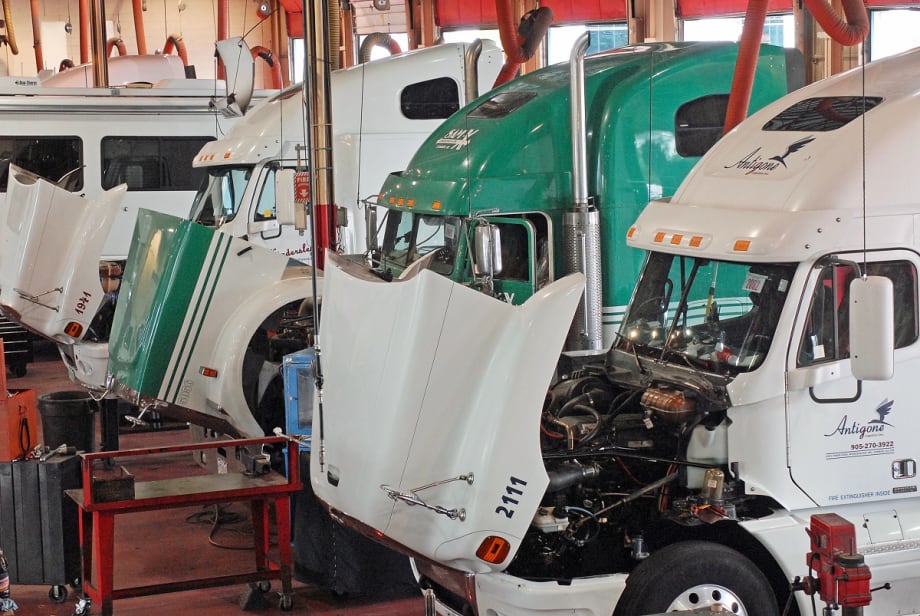
The potential for artifical intelligence to improve fleet maintenance is significant and could some day lead to uptime and efficiency gains.
Photo: Jim Park
Just like the evolution of VMRS codes helped make vehicle repair more efficient, so too will the next wave of evolution — artificial intelligence and machine learning. Speaking at a webinar on June 12, Jon White from Jon White, Inc. and one of the people involved in bringing VMRS into reality, said that AI and machine learning will help move the industry toward more pre-emptive maintenance.
Braden Pastalaniec, head of fleet AI at Uptake, an industrial AI software company, also speaking at the same webinar said there are several ways fleet operators can use AI in their maintenance operations.
“Many people view it as robots, but the truth is AI is everywhere. It is the ability of machines to replicate a brain function with some level of intelligence,” says Pastalaniec. It is seen in applications like Uber, Lyft and mobile banking, to name a few.
Reducing Downtime
The first place Pastalaniec sees AI helping fleets is by reducing unplanned downtime and maintenance. He believes that trucks do not have to break down and that “downtime should be rare and predictable.” He says that the true cost of downtime is somewhere between $450 to $800 per day per vehicle not including the impact on customer satisfaction. He said AI can go beyond monitoring fault codes and can monitor data in real time.
“Today everything is connected and we have more access to data,” he said. “In the past we looked at data at a point in time and from a single channel. AI allows monitoring of rich data and the cross correlation of multiple data channels to reveal previously undetected issues.”
For example, it can look at engine speed, engine oil temperature, and engine coolant temperature at the same time and see what is falling outside of normal patterns.
Increased Efficiency
AI can also help increase efficiency in the repair network. This may become more important if predictions about the growing technician shortage are true. Pastalaniec used an example of a truck’s oil pressure that dropped in February. A repair was made but the root cause of the problem was not discovered and a week later the pressure dropped again. This time coolant was topped off and the truck went back on the road. In March the vehicle had an on-road breakdown.
AI would have provided key insights into what was going on with the vehicle and that information would have been integrated into the technician’s existing workflow. Having all the information about the condition of the truck allows the shop to make sure it has the right technician and the right parts available to get to the root cause of a problem when the truck is first brought in.
Better Fuel Economy
The third place AI can have an impact is improving fuel efficiency. “Fuel is the second biggest expense for most fleets,” Pastalaniec said, “and we know that well maintained trucks save fuel.”
AI can focus on component condition and allow the fleet to see problems in the beginning stages. “Within the aftertreatment system, there are a lot of components that effect fuel efficiency,” Pastalaniec said. He gave an example of looking at regen status and differential pressure of the inlet and outlet which tells how much air is flowing through the filter and how clean it is. He said that AI can see when regen starts happening more often than it should and is not burning off soot and ash, which will be evidence by differential pressures. White added that AI would indicate that the DPF needs to be removed before a fault code ever emerged.
Cutting Down on Information Overload
The final area where AI can help is with data overload. “There are 17,000 fault codes that can be broadcast over the J1939 connector,” Pastalaniec said, “and each one could indicate up to 25 different failure modes.”
All that data can be too overwhelming to comprehend and take action on. “AI stiches together all the data points from disparate source to create actionable insights,” he explained.
Pastalaniec concluded saying, “We need to be prepared and ready to capitalize on these technologies like AI and machine learning.”
More Maintenance

How GP Transco Builds Fuel Savings a Fraction at a Time
Aerodynamic specs, solar panels, and driver incentives help GP Transco turn small efficiency gains into savings it can reinvest in its people.
Read More →
Oil Crisis Squeezes Trucking Lubricant Supplies
Fleets report higher lubricant costs as Middle East disruptions tighten supplies of ingredients used in synthetic engine oils and some driveline lubricants.
Read More →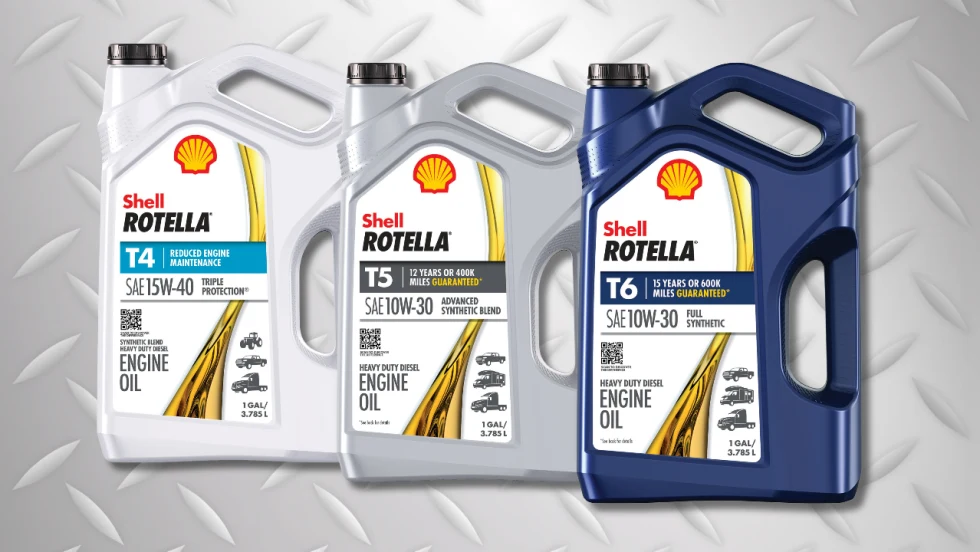
Shell Prepares Rotella Oils for 2027
New CL-4 and FB-4 formulations will begin arriving in early 2027, with improved protection against oil breakdown, wear and deposits, according to Shell.
Read More →
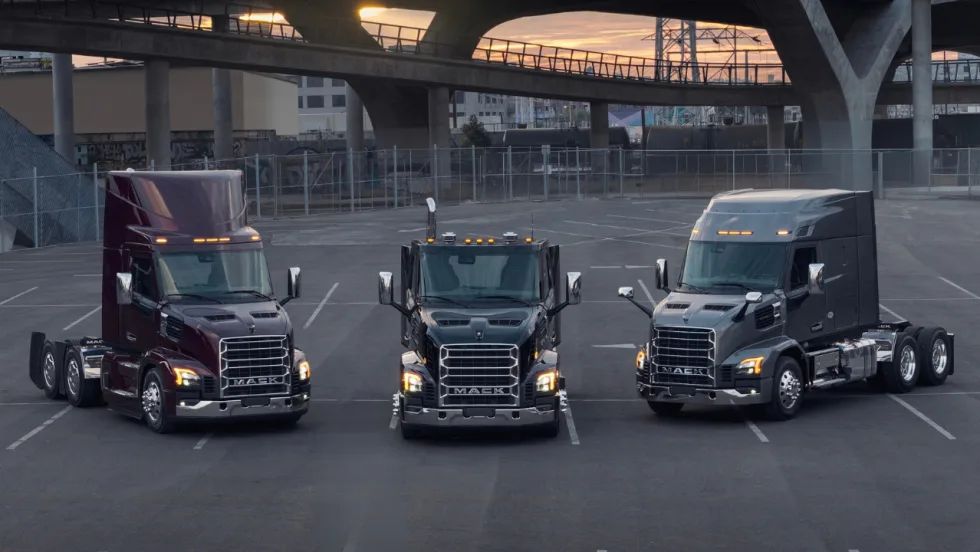
Mack Expands Extended Coverage With Four Chassis System Plans
Mack Trucks' new system-specific coverage options allow heavy-duty fleets to select protection for driveline, cab, HVAC, electronics, and advanced safety components.
Read More →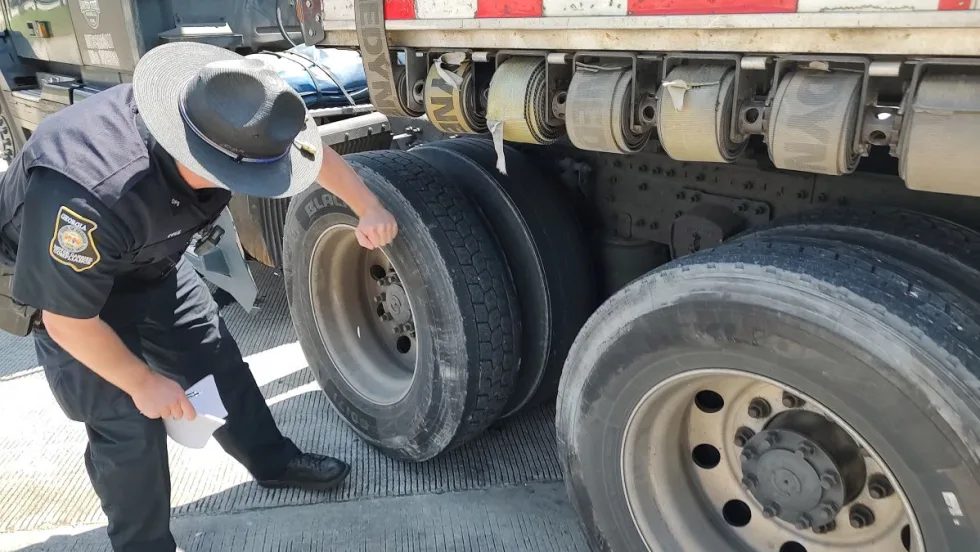
What an Out-of-Service Order Really Costs, and How to Plan for One
The repair invoice is the first number you see — and often one of the smallest. Here’s what else an out-of-service order can cost a fleet, and how planning can reduce the damage.
Read More →
International Launches Online Truck Parts Store
Fleetrite.com lets fleets and repair shops find OEM and all-makes parts, check prices and availability, and order without calling a parts counter.
Read More →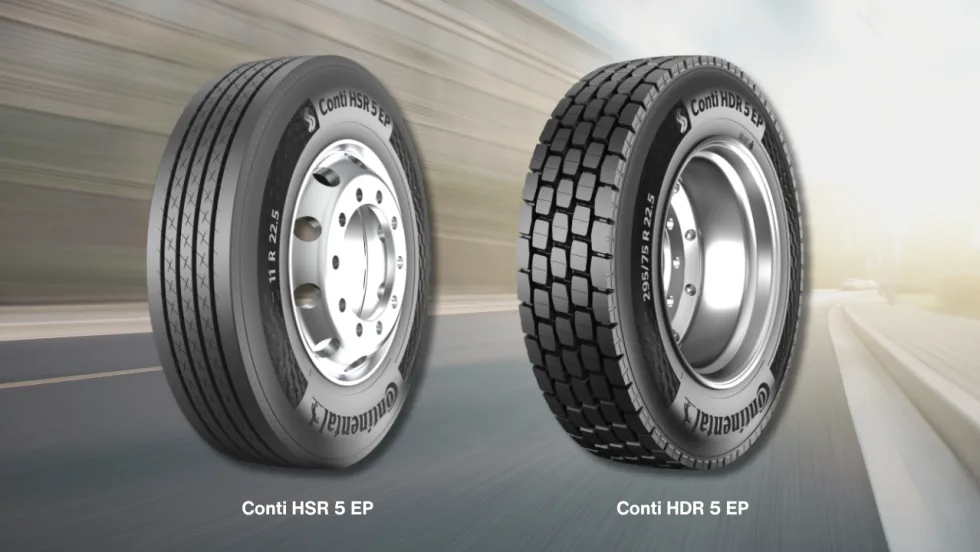
Continental Introduces New Regional Truck Tires
Continental says its new Generation 5 steer and drive tires for regional operations offer longer tread life, with estimated mileage gains of 22% and 19%, respectively.
Read More →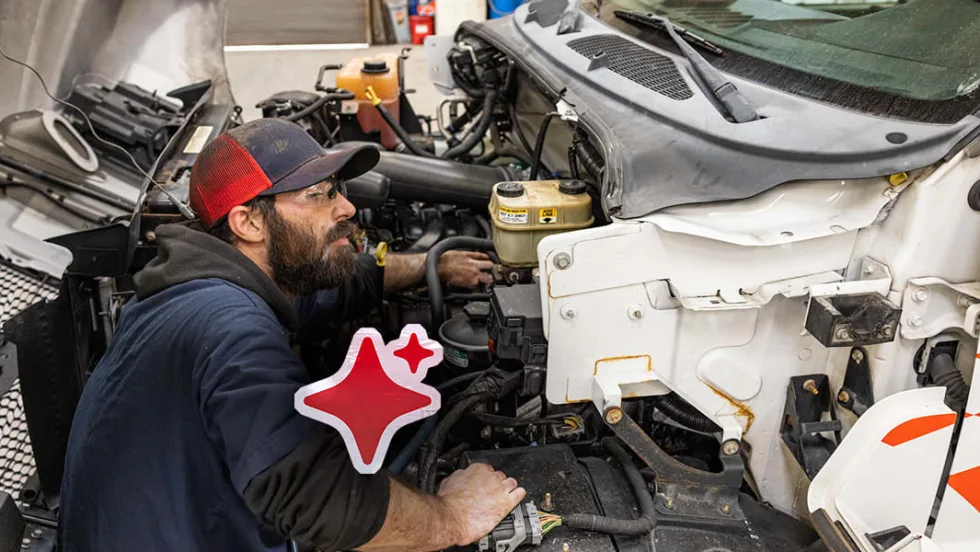
How AI Can Help Your Techs’ Efficiency
The technician shortage isn't going away, and no single fix can close the gap on its own. Trent Broberg makes the case that AI's real job in the shop is protecting the billable hours and job satisfaction of the techs you already have, not asking them to work faster.
Read More →
Color Match Smarter: Tools That Restore & Perform
For fleet managers and collision repair professionals keeping heavy-duty trucks on the road, getting the color right the first time isn't just about appearance — it's about efficiency, turnaround time, and bottom-line results. Discover how today's digital color tools are transforming the repair process from guesswork to precision.
Read More →
Wrong Repair Prompts Recall of Freightliner, Western Star 4x2 Trucks
DTNA is recalling more than 2,400 trucks that received an incompatible software fix instead of the hardware repair required to address brake valve corrosion.
Read More →