





Related-- FMCSA Administrator: Please Prepare Now for ELD Deadline
The Changes Driving Trucking Are Accelerating
Change happens quickly in trucking, and the pace of change will only accelerate in the coming years, according to Susan Beardslee, principal analyst at ABI Research, whether that's electric vehicles, blockchain, government actions, or disruptive technologies.
February 27, 2019
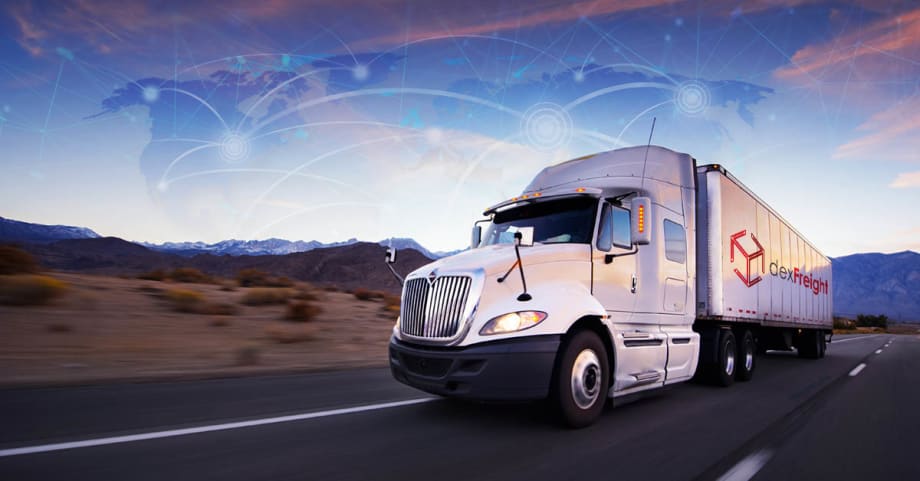
Susan Beardslee, principal analyst at ABI Research, said that change is constant-- with the unknown factor being the speed at which it will occur.
Photo: dexFreight
4 min to read
Change happens quickly in trucking, and the pace of change will only accelerate in the coming years, according to Susan Beardslee, principal analyst at ABI Research.
Speaking at a session at Omnitrac’s Outlook user conference in Dallas on Feb. 25, Beardslee said that social changes, such as an aging work force, urbanization, and traffic congestion, have long been pointed to by forecasters as pushing trucking toward change.
Fleets have had to learn how to attract younger workers, she pointed out. But younger drivers are less likely to see the attraction of spending days at a time on the road and away from home, which the long-haul segment requires. To get past that, some carriers have increased wages.
Meanwhile, Beardslee pointed out, the Federal Motor Carrier Safety Administration is considering how it might allow those 18-20 years old to hold CDLs. She also said eight states are participating in the Truck Parking Information Management System, which aims to help in real time to alleviate one of the key frustrations drivers face each day. Beardslee noted that younger workers have different expectations about what technology can do. Considered “digital natives,” they grew up with smartphones, mobile apps, and other technologies and are thus likely to find older technologies boring.
Within transportation, many companies are having major influences on change. Beardslee mentioned such recent moves as digital freight-matching firms, and last-mile and related white-glove home delivery. The latter services, being offered by companies such as Amazon, XPO, and Ryder, continue to shift the trucking landscape. For example, Amazon recently announcing a plan to build a million-sq.ft. fulfillment and transportation center in Nashville. Then there are startups offering same-day delivery that are receiving major investments from companies such as Google.
Government actions are also driving change, such as the recently enacted rules mandating ELDs or legislation to allow drone deliveries, according to Beardslee, as well as cyber threats that continue to plague not just for individual companies, but the entire supply chain. In response, the Department of Homeland Security created a task force on the threat to supply chain data and communications. These threats are real, she said. Yet to be determined are the impacts policies to address them might have on how the industry operates.
Electrification and alternative fuels are also drivers of change, Beardslee said. And she argued that, “It’s happening faster than anticipated – especially with smaller commercial motor vehicles, with some vehicles already on the road – not just in the U.S., but worldwide.” She does not think electric vehicles are suited for larger commercial vehicles, at least not now. But in some, such as refuse, they might make sense already and a number of companies are “busy in this area now.”
While still down the road a bit, advanced driver assistance systems and autonomous vehicle controls have the potential to bring tremendous changes to the industry, she said. These systems are getting “a tremendous amount of real-world data” with pilot projects around the world and here in several states. And state and federal transportation officials are working to identify where these kinds of technologies might make the most sense. Companies testing such technologies include Waymo in Atlanta, TuSimple in Arizona, and Starsky Robotics in Florida, she said.
Blockchain management platform technology and how it might benefit supply chains has also received a lot of attention. Beardslee explained that the notion of an immutable and completely transparent ledger account of all transactions along a supply chain offers great potential as it would allow for proof of certification and compliance, quality control, and other factors. However, she contended that before these benefits can be realized more fully, the entire supply chain – from producer to supplier to carrier to the eventual receiver – must be digitized.
Beardslee also noted that things that can potentially put a brake on the pace of change within trucking include that aging driver force as well as dealing with long-term capacity issues and trimming the industry’s own carbon footprint.
As with all aspects of modern life, however, change is a constant, she reminded the audience, with the unknown factor being the speed at which it will occur.
More Fleet Management

Sponsored•September 1, 2026
How Telematics Improves Visibility, Control, and Performance in Refrigerated Fleets
Explore how telematics help refrigerated fleets improve visibility, uptime, efficiency, compliance, and cargo protection across connected cold chain operations.
Read More →
What the U.S.-Canada Trade War Means for Trucking
Escalating U.S.-Canada tariffs could disrupt cross-border freight, reduce truck volumes, raise costs, and create new uncertainty for carriers on both sides of the border.
Read More →
What Are Trucking’s Top Concerns for 2026?
The American Transportation Research Institute wants to know what's worrying trucking fleet managers, drivers, and other stakeholders in its annual Industry Issues survey.
Read More →

American Trucking Associations Looks for a New Leader
ATA President and CEO Chris Spear abruptly left his job at the association on August 21, at a pivotal time for the trucking industry.
Read More →
Public Wi-Fi Cybersecurity Risks: How Truck Drivers and Fleets Can Protect Their Data
Public Wi-Fi can expose truck drivers and fleets to credential theft, malware, and other cyber threats. Here’s how to reduce the risk on the road.
Read More →
For Nicky Cupp, Fleet Innovation Starts With Frustration
HDT Truck Fleet Innovator Nicky Cupp turns everyday pain points at Fraley & Schilling into opportunities for better technology and smarter processes.
Read More →
Adam Buttgenbach’s Approach to Electric Trucks: Start With Where They Fit
HDT Truck Fleet Innovator Adam Buttgenbach helped PepsiCo build one of North America’s largest EV fleets by focusing on where electric trucks make operational sense.
Read More →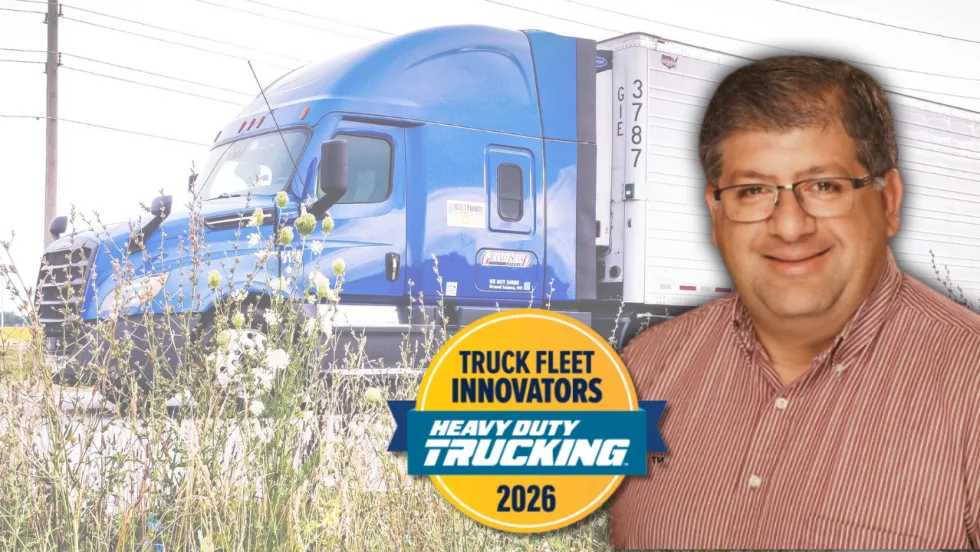
Deen Albert: Let Automation Do the Math, People Make the Decisions
HDT Truck Fleet Innovator Deen Albert makes sure people are still at the heart of operations at Grand Island Express, even while adopting artificial intelligence tools. AI-assisted dispatch helped boost revenue 25% with the same number of trucks.
Read More →
Trimble’s New AI Agent Takes Aim at Fleet Back-Office Busywork
Arc Agent works across Trimble TMS products to automate repetitive tasks such as freight orders, maintenance, invoices, fuel costs and more.
Read More →
How HDT’s 2026 Truck Fleet Innovators Are Rethinking Fleet Operations
Meet five trucking leaders who are challenging assumptions, solving operational problems, and putting innovative ideas to work.
Read More →