





Related:Disruption Thy Name is Amazon
Elon Musk: Trucking Company Executive
In a series of tweets, CEO Elon Musk announced Tesla has gone into the trucking business.
November 16, 2018
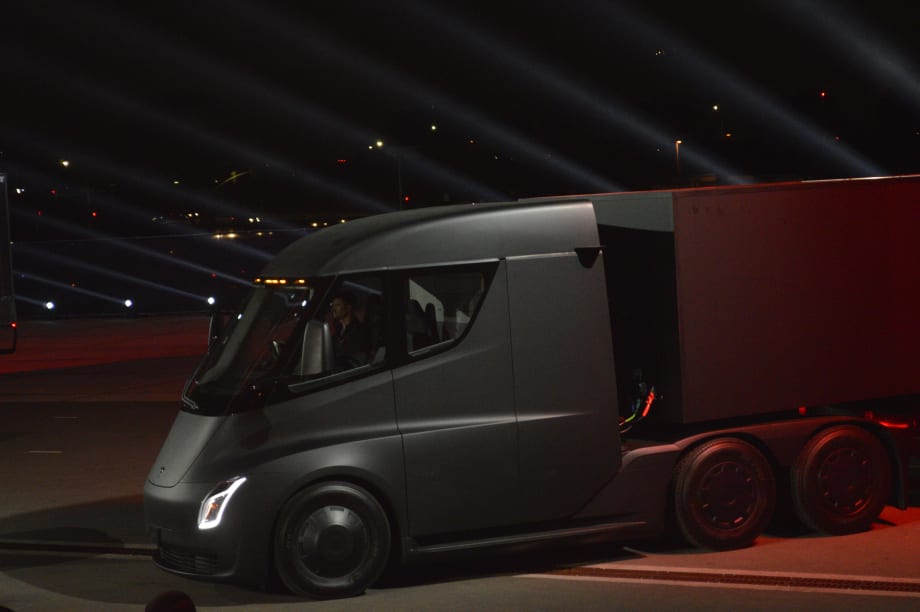
Will a fleet of Tesla Semi trucks soon be hauling the company's electric cars to the East coast? A recent tweet by CEO Elon Musk seems to indicate that may happen.
Photo: Jack Roberts
2 min to read
Although I doubt you'll sit on a Techology and Maintence Council Task Force with him any time soon, it looks like Elon Musk will soon add "trucking company executive" to his resume.
Tesla just acquired trucking capacity to ensure Model 3 can be delivered in US by Dec 31 if ordered by Nov 30 https://t.co/npmPuSXNWC
— Elon Musk (@elonmusk) November 15, 2018
One of the most fundamental drivers for success in today’s global super economy is the ability to get your products to your customers as quickly, efficiently and cost effectively as possible. That’s something Amazon CEO Jeff Bezos has clearly put some thought into. And now, it looks like Tesla CEO Elon Musk has reached the same conclusion. Citing what he has called Tesla’s “delivery logistics hell,” Musk has reportedly purchased several car-hauling fleets in order to better move his newly built electric cars to the East coast. And, as is fitting for someone about to begin building tractor-trailers of their own, he’s forgoing the railroads to do so, citing trucking’s much faster delivery times.
The issue first arose in September, when Musk posted several tweets outlining Tesla’s problems in moving product coast-to-coast. Not surprisingly, word soon came that the company was also building its own car carriers – although it’s not clear if they company was yet using its all-electric Semi tractor in that project.
Sorry for difficulties delivering your Tesla due to high volume! Critical to show that environmentally sustainable is financially sustainable.
— Elon Musk (@elonmusk) September 28, 2018
Long-term, Musk’s move presents some interesting possibilities with possible ramifications for the trucking industry. First off, will Musk make the logical move and operate his own fleet of electric car haulers? Doing so would be a great way to prove out his concept of a long-haul, all-electric tractor trailer while helping ease Tesla’s current logistics snarls.
It’s even more interesting to speculate what a visionary like Musk will learn from taking a hands-on role in the trucking industry and what methods or emerging technologies he may be willing to try to enhance productivity and freight efficiency.
The move underscores a couple of key points: First, trucking is vastly important to the success of companies today and absolutely cannot be the weak link in the supply chain. Secondly, trucking is still the most efficient way to move goods – be it from coast to coast of from a warehouse to a doorstep. But a capacity crunch is pushing more and more visionaries and technology gurus toward this industry, which is ripe for disruption.
It’s another sign that anyone in trucking impatiently for today’s take wave to recede is likely going to be disappointed.
More Fuel Smarts

California Bill Could Shed Light on Electric Truck Prices
Why do battery-electric Class 8 trucks remain so expensive? A California bill headed to Gov. Gavin Newsom would give fleets and state agencies more visibility into what manufacturers charge.
Read More →
Detroit Opens Orders for EPA 2027 Engines
Detroit isn’t starting from scratch to meet EPA 2027 diesel emissions standards. Its Gen 6 DD13 and DD15 engines keep much of today’s platform while updating the fuel and aftertreatment systems.
Read More →
Zero-Emission Truck Corridor Planned for West Coast
California, Oregon, Washington, British Columbia and Baja California are coordinating plans for truck charging and hydrogen fueling from Canada to Mexico.
Read More →
A Closer Look at Kenworth’s Electric T880E Vocational Truck [Video]
Learn more about Kenworth's T880E battery-electric vocational truck at the Paccar Technical Center, including its range, applications, upfitting considerations, and PTO options, in this HDT Spotlight video.
Read More →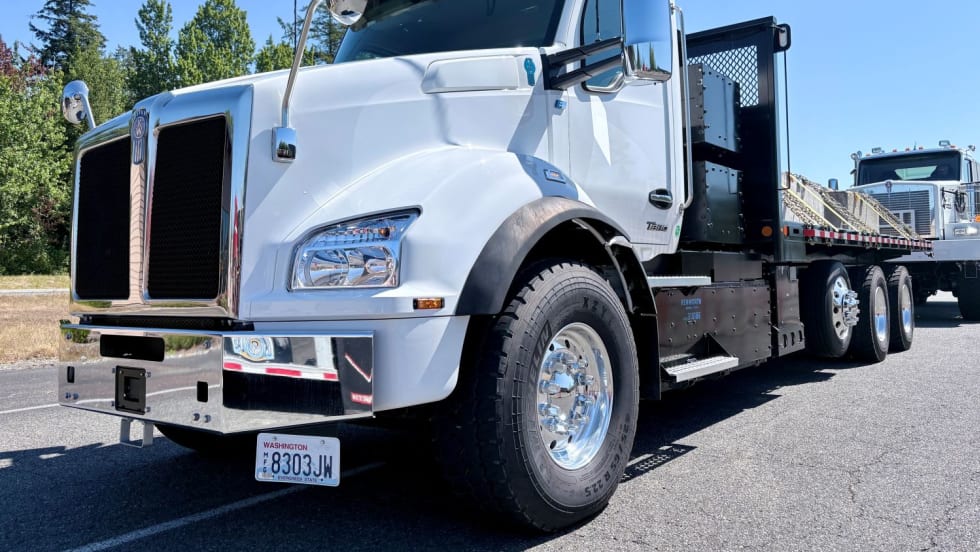
Kenworth T880E Brings EV Power to Vocational Trucks
A closer look at the Kenworth T880E’s range, charging, powertrain and upfit options — and where fleets are showing the most interest.
Read More →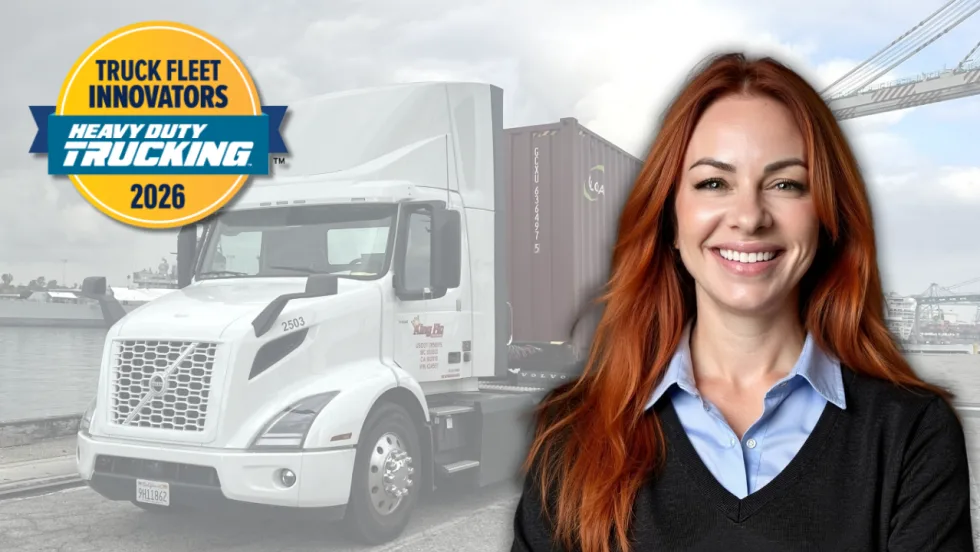
Jennie Abarca Is Proving Electric Trucks Can Do the Job
HDT Truck Fleet Innovator Jennie Abarca is building confidence in fleet electrification one load at a time while openly sharing the challenges she encounters along the way as a small-fleet owner.
Read More →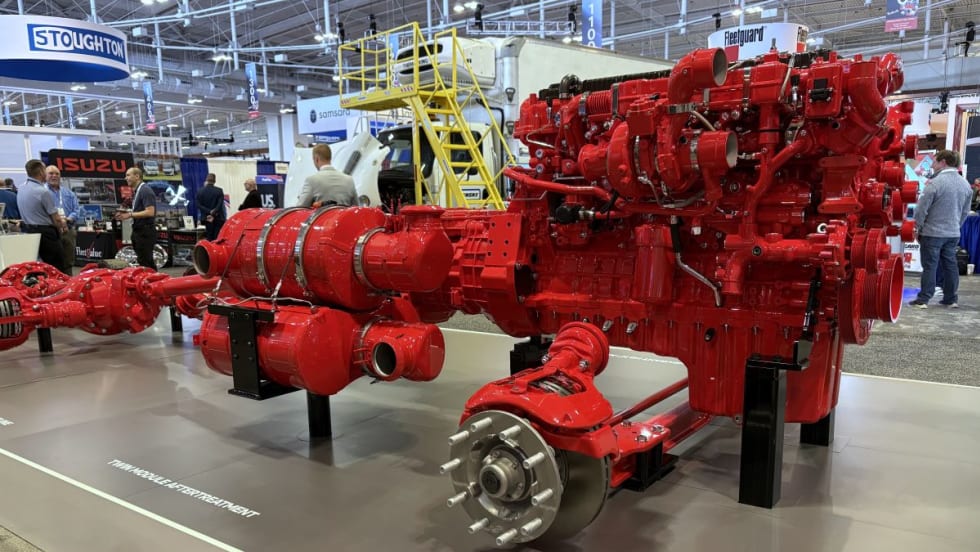
Cummins Adjusts 2027 Engine Rollout After EPA Proposal
The engine maker will gradually introduce its new Model Year 2027 diesel engines while continuing to offer current models during the transition, citing the EPA's proposed emissions rule changes.
Read More →
EPA Proposal Could Ease 2027 Truck Costs and Buying Uncertainty
The proposal doesn't change the tougher NOx standard, but it would revise key implementation requirements that manufacturers say have driven up costs and complicated fleet purchasing decisions.
Read More →
Cummins, Paccar Ease DEF Derates After EPA Guidance
Updated diesel engine software gives truck operators more time to address emissions-system issues while staying compliant with EPA emissions standards.
Read More →
Maintenance in the Messy Middle Part 3: Biodiesel
Biodiesel can reduce emissions, improve fuel-system lubricity and use existing diesel infrastructure. But NACFE’s Messy Middle maintenance report says fleets must actively manage storage, cold-weather operation, filters and oil drain intervals to avoid problems.
Read More →