





Related: Aviation Bill Sailing on Without Trucking Rest-Break Rider
FMCSA Seeks Comment on Preempting California Rest Break Rules
The Federal Motor Carrier Safety Administration is requesting public comment on a petition filed by the American Trucking Associations concerning federal preemption of California’s rest and meal break rules.
October 5, 2018
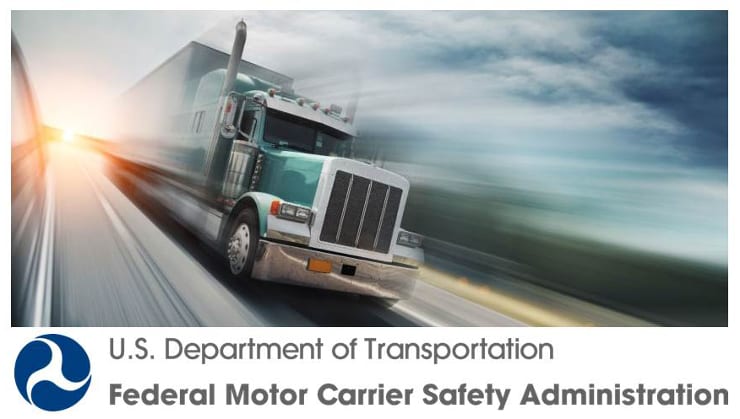
The FMCSA is seeking comment on how California’s rest and meal break rules conflict with current transportation industry regulations based on an ATA petition.
Credit: FMCSA
2 min to read
The Federal Motor Carrier Safety Administration is requesting public comment on a petition filed by the American Trucking Associations that requests a determination be made by the Department of Transportation that California’s meal and rest break rules are preempted by Federal law.
In its filing, ATA contends that the existence of duplicative state rest-break requirements undermine safety and unreasonably burden interstate commerce by interfering with uniform federal regulations.
Among other things, FMCSA is requesting comments on what effect, if any, California’s meal and rest break requirements may have on interstate commerce.
In California, employers are required to provide employees with a 30-minute meal break after five hours if the employee is on duty for more than six hours in a day. If on duty for 10 hours in a day longer that will require more than 12 hours of work, they are required to give an employee a second 30-minute break. With written consent, an employee may waive one of these rest break periods but not both.
California law also requires employers to provide rest breaks during the day, accrued at 10 minutes per four hours of work, and holds that the employee must remain on the clock during that period.
However, in matters of commercial transportation, the Secretary of Transportation is able to override state laws or regulations provided certain criteria is met. For instance, the Secretary can override a state regulation or law if it is determined that a rule is less stringent than federal regulations or if it is determined that state rules have no safety benefit, are incompatible with the regulation prescribed by the Secretary, or would cause an unreasonable burden on interstate commerce.
While these determinations can be made at the discretion of the Department of Transportation and are delegated to FMCSA Administrator, Ray Martinez, FMCSA is still seeking public comment on any issues raised by ATA’s petition.
All comments must be received on or before Oct. 29. Submitted comments must be identified by Federal Docket Management System (FDMS) Number FMCSA–2018–0304 and submitted by any of the following methods:
Federal eRulemaking Portal: www.regulations.gov
Mail: Docket Management Facility, U.S. Department of Transportation, 1200 New Jersey Avenue SE, West Building, Ground Floor, Room W12–140, Washington, DC 20590–0001
Hand Delivery or Courier: West Building, Ground Floor, Room W12– 140, 1200 New Jersey Avenue SE, between 9 a.m. and 5 p.m. E.T., Monday through Friday, except Federal holidays
Fax: 1–202–493–2251
More Safety & Compliance

FMCSA Removes 110 Truck Driver Training Schools from Certified ELDT List
Federal regulators also are targeting more than 160 additional training providers and launching a nationwide audit of third-party CDL skills testers as part of a broader crackdown on trucking fraud.
Read More →
Beyond DOT Compliance: What Makes a Trucking Fleet Truly Safe?
A trucking fleet can follow every rule and still make unsafe decisions. The real test comes when safety conflicts with freight, productivity, or cost.
Read More →
Hours of Service Pilot Programs: FMCSA Readies for 2027 Rollout
Two pilot programs could eventually reshape hours-of-service rules, giving truck drivers options to pause their 14-hour clock or use longer split sleeper rest periods.
Read More →
New Guide Offers Pet Safety Tips for Truck Drivers
Hundreds of thousands of pets travel in truck cabs. A new safety guide from Volvo Trucks and the Center for Pet Safety offers practical advice for truck drivers who bring dogs and cats along for the ride.
Read More →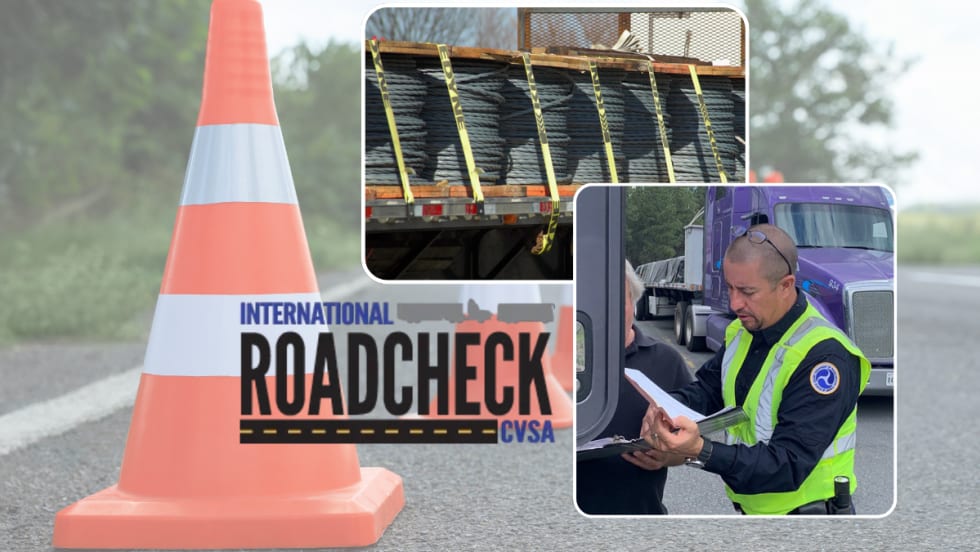
Medical Cards, English Proficiency Reshape Roadcheck Violations
Medical-card violations jumped to the top of the driver out-of-service list during CVSA’s 2026 International Roadcheck, while English-language proficiency violations appeared among the leading violations for the first time.
Read More →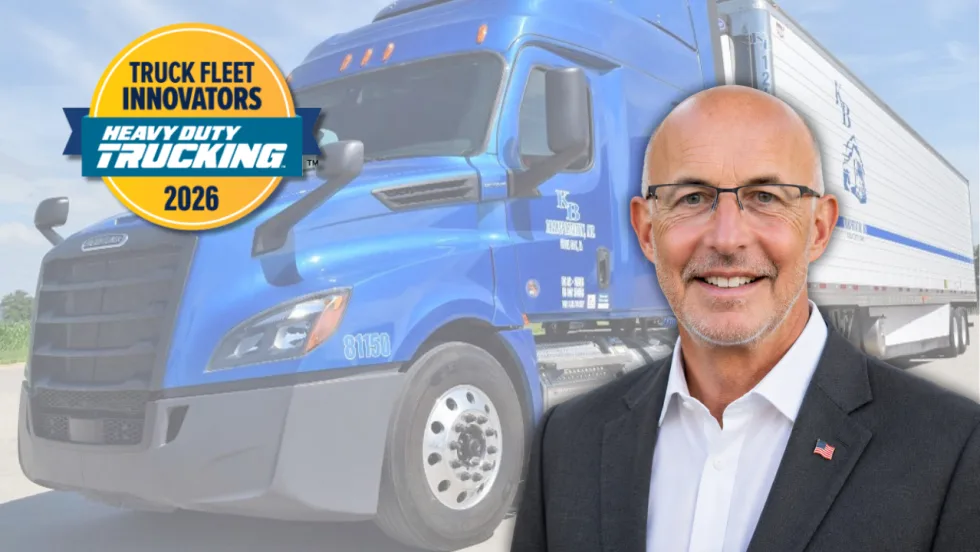
How Lance Evans Turns Enforcement Experience Into Better Fleet Safety
HDT Truck Fleet Innovator Lance Evans brings lessons from law enforcement to K&B Transportation’s approach to safety technology, data, driver coaching, and compliance.
Read More →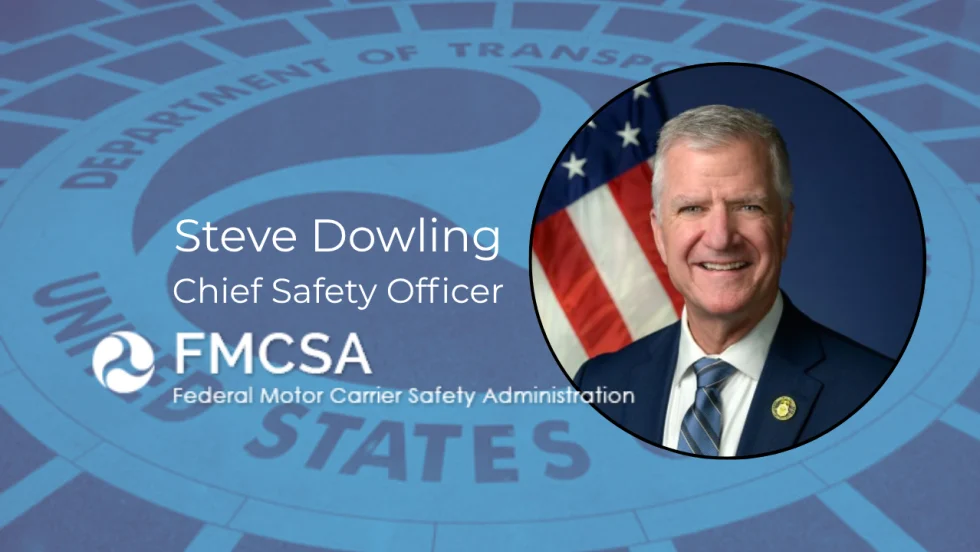
New FMCSA Chief Safety Officer Has Trucking Industry and Law Enforcement Experience
Steve Dowling joins FMCSA after serving as senior director of safety at Covenant Logistics and in leadership roles in commercial motor vehicle industry organizations.
Read More →
Driver Trust Can Make or Break the Success of Fleet Safety Technology
New Teletrac Navman research suggests that onboarding, transparency about driver data, and positive feedback can play a significant role in how commercial drivers respond to safety and coaching technology.
Read More →
FMCSA: Stop Using These 15 Electronic Logging Devices
Fleets and drivers must replace the revoked ELDs with ones on the FMCSA's registered device list of electronic logging devices.
Read More →
How HDT’s 2026 Truck Fleet Innovators Are Rethinking Fleet Operations
Meet five trucking leaders who are challenging assumptions, solving operational problems, and putting innovative ideas to work.
Read More →