





Related: States Invest VW Diesel Settlement in Clean Vehicle Technology
Drive to Zero Program Pledges Faster Clean Vehicle Adoption
Government entities and industry leaders have signed on to a new program to accelerate the deployment of zero-and near-zero emissions commercial vehicles and technologies.
September 12, 2018

The Drive to Zero pledge commits government entities and private industry to adopt clean vehicle technologies in key markets globally.
Photo: Jim Park
3 min to read
Government entities and industry leaders have signed on to a new program to accelerate the deployment of zero-and near-zero emissions commercial vehicles and technologies.
The Global Commercial Vehicle Drive to Zero pledge is an international effort aimed at reducing emission from trucks and buses in key markets. The program is championed by CalStart, a non-profit organization that promotes the growth of clean transportation technologies.
The pledge focuses on the medium- and heavy-duty vehicle segments in eight global markets. The goal is to achieve commercial success for clean vehicle technology in these markets by 2025 and dominate new sales in these segments by 2040.
“By showing the demand for these vehicles, and focusing on the most viable markets, we can accelerate their adoption, improve air quality and reduce emissions,” said John Boesel, president and CEO of CalStart. “Once we achieve commercial viability in these areas, we can work to reach economies of scale, bring costs down and increase adoption throughout the entire medium- and heavy-duty vehicle industry.”
It is a global effort and the Drive To Zero also targets developing countries such as China, India, and Mexico to improve air quality and promote public health where commercial vehicles represent a larger percentage of the total vehicle population and air pollution problem.
The group will be adopting an application approach pioneered by the California Air Resources Board, known as the “beachhead” strategy. The Drive to Zero applies this strategy on a global scale, targeting transit buses, shuttle buses, package and delivery trucks, urban “box” trucks, yard tractors, port handling equipment and regional Class 7/8 drayage (cargo) trucks. The new program will support the advancement of the beachhead markets by identifying barriers, sharing solutions and best practices, and conducting analysis.
“Our climate ambition is to reduce emissions with 95% by 2030. The importance of setting ambitious visions should not be underestimated,” said Raymond Johansen, the governing mayor of Oslo, Norway. “This is why I believe the work of CalStart, and the Commercial Vehicle Drive to Zero Pledge launched today will be a game-changer. By working globally to achieve zero-emission dominance in commercial vehicle sales we can achieve what would not be possible by working in isolation.”
Signers and Supporters of the Pledge include:
Government
City of New York
New York State Energy Research & Development Authority
California Air Resources Board
South Coast Air Quality Management District
Bay Area Air Quality Management District
Los Angeles Department of Transportation
Foothill Transit
Elected Officials
Los Angeles Mayor Eric Garcetti.
Sacramento Mayor Darrell Steinberg
Stockton Mayor Michael D. Tubbs
Oslo Governing Mayor Raymond Johansen
Industry
Siemens
BYD
Mitsubishi Fuso Trucks
New Flyer Industries
Proterra
Southern California Edison
Ballard Power Systems
Ryder
Chanje Energy
Axle Tech
Effenco
Workhorse
Orange EV
Mayor USA
Motiv Power Systems
Transpower
US Hybrid
Lightning Systems
Auto Research Institute
Viatec
XL Fleet
West Valley Construction
Zenith Motors
Unique Electrical Solutions
More Fuel Smarts

How GP Transco Builds Fuel Savings a Fraction at a Time
Aerodynamic specs, solar panels, and driver incentives help GP Transco turn small efficiency gains into savings it can reinvest in its people.
Read More →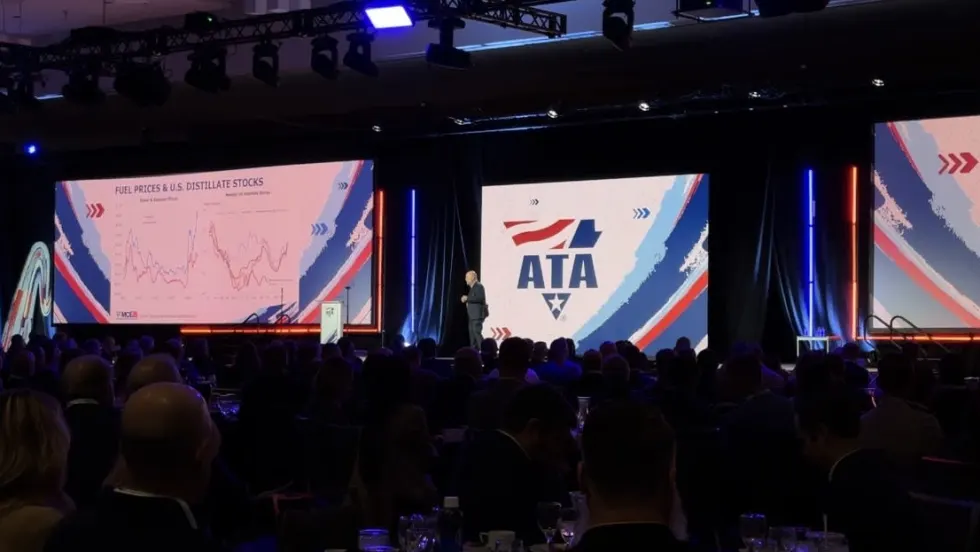
Trucking’s Diesel Squeeze Isn’t Letting Up
With diesel topping $6 a gallon nationally, ATA's Bob Costello explains why fleets should prepare for continued pressure at the pump.
Read More →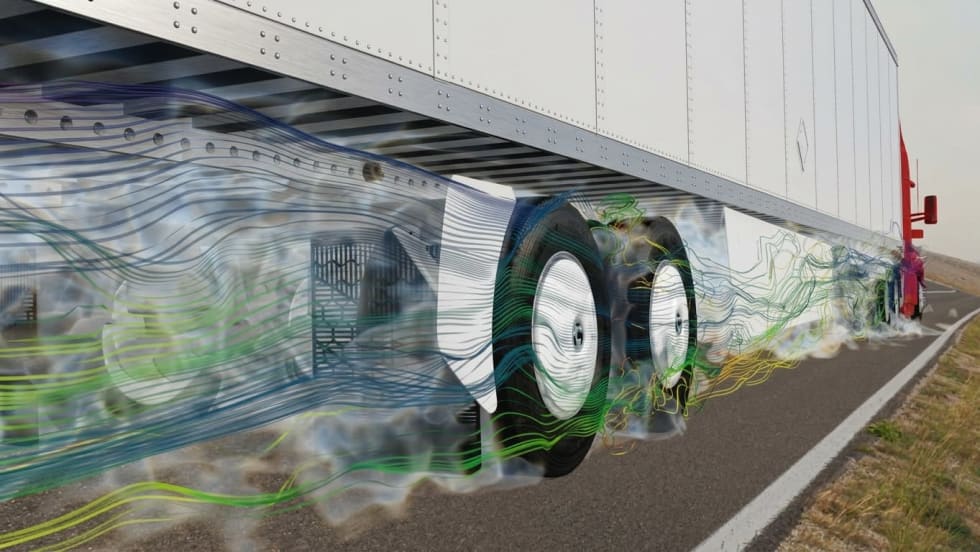
FlowBelow Redesigns Trailer AeroSlider to Cut Fuel Use
The lighter trailer aerodynamic system installs in less than 45 minutes, according to the company, with potential payback in under a year depending on fuel prices and trailer mileage.
Read More →
Why Diesel Price Relief Efforts May Fall Short
Diesel prices have eased from September’s record high, but doubts about additional Russian supply and limits on dyed-diesel tax relief mean trucking fleets still face expensive fuel. And prices could go higher.
Read More →
Why Small Fuel Savings Matter in Trucking
Can better fuel economy help pay for driver raises? In this podcast, GP Transco explains how small efficiency gains create room to reinvest in its people.
Read More →
How GP Transco Cuts Trucking Fuel Costs, a Tenth of a Gallon at a Time
What’s another tenth of a mile per gallon worth? GP Transco shares how equipment upgrades and driver coaching turn small gains into meaningful fuel savings.
Read More →
Electric Yard Tractors Move Beyond Pilots
Operating-cost savings have overtaken sustainability goals as the leading reason surveyed fleets are adopting battery-electric terminal tractors, according to new NACFE research.
Read More →
Geotab Links Fleet Card to Vehicle Data
The new card combines fuel discounts with telematics-based purchase controls. Geotab’s analysis also points to potential savings from choosing lower-priced fuel stops.
Read More →
Fleet Economics Shape Electric Truck Outlook
ACT Research expects costs, charging infrastructure, and technology improvements to drive zero-emission commercial vehicle adoption as federal regulations and incentives retreat.
Read More →
Wex Adds Cardless Fuel Payments for Over-the-Road Customers
A new fuel card feature for Wex customers offers convenience and security.
Read More →