





It’s a little strange, this waiting pattern we’re in – lots of news about new electric vehicles coming down the line, but few to put our hands on, drive and evaluate. Yet in the next 12 to 24 months, all-electric trucks and vans will enter serial production and start showing up in larger numbers in North American fleets. Drivers, technicians, and maintenance managers will begin the process of figuring out how to make these vehicles productive and profitable in real-world delivery and hauling applications.
Commentary: How Fuel-Efficient is That Electric Truck?
No standard means of demonstrating the efficiency of electric vehicles has taken root in trucking yet. But the EPA’s MPGe rating gives fleet managers a useful means of comparing new vehicles with conventional ones.
May 9, 2018
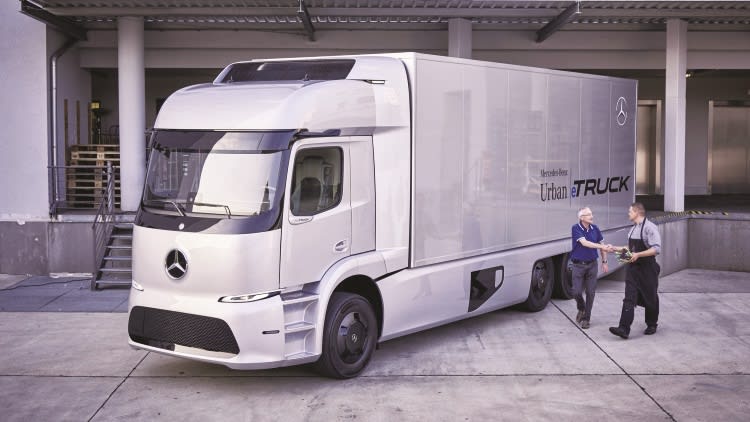
The EPA’s MPGe rating is designed to help compare electric vehicle performance with gasoline and diesel powered units. Photo: Mercedes-Benz
3 min to read
A big part of that equation will be figuring out how economical electric trucks and vans actually are compared to the conventionally powered vehicles in the fleet. And that can be problematic if you have an entire century of figuring nothing but miles per gallon performance as your baseline. Electric vehicles, of course, do not burn fuel. Without a gallon of fuel to burn, an mpg calculation is useless. And although they do use electricity off the main power grid, with an electric meter spinning away like crazy, it’s tough to isolate a tally of daily charges for a single vehicle and separate that amount of voltage from power being used to keep the lights on and the building cool.
The most common measurement heard these days is vehicle range. This makes a lot of sense. That’s an apples to apples, real-world comparison that helps fleet managers make basic decisions on how to deploy these new assets. But even that calculation falls short if you want to compare the economic impact of, say, a gasoline-powered delivery van with an all-electric one.
To help out on this front, the U.S. Environmental Protection Agency put together an all-new calculation exclusively for electric vehicles to help fleet professionals and consumers get a better understanding of how electric vehicles perform compared to diesel or gasoline powered units.
The measurement is called MPGe, which stands for miles per gallon (electric) and was developed with input from focus groups and industry experts as a way of keeping electric vehicle performance ratings simple. With that concept in mind, an MPGe figure represents the number of miles a vehicle can travel using a quantity of “fuel” – actually electricity – with the same energy content as one gallon of gasoline – which mathematically works out to one gallon of gasoline equaling 33.7 kilowatt hours of battery power. In practice, this means that fleets can find the MPGe rating for a particular van or truck by calculating the number of miles a vehicle can go using the same energy content as a gallon of gas. So if you have an electric vehicle that uses 29 kilowatts of electricity to travel 100 miles, for example, that vehicle would get a rating of 115 MPGe. This means, in layman’s terms, that particular vehicle is as efficient as a 115-mpg truck or van would be, were it possible to build a vehicle that efficient with an internal combustion engine.
This measurement system is not without its own variables, of course. Factors such as electricity rates and gasoline and diesel prices mean that an MPGe rating in say, Mississippi, could vary greatly from one calculated in California.
There are other means of figuring electric vehicle performance, such as watt-hours per mile, or kilowatt hours per 100 miles. It remains to be seen which measurement will eventually emerge as the industry standard. But, if nothing else, the MPGe rating serves as an excellent way to demonstrate just how energy-efficient this new generation of electric trucks and vans are, and the potential positive impact they could have on fleet operations – and bottom lines – in the very near future.
Related: How Much Does it Cost to Operate a Battery Electric Truck?
Subscribe to Our Newsletter
More Fuel Smarts
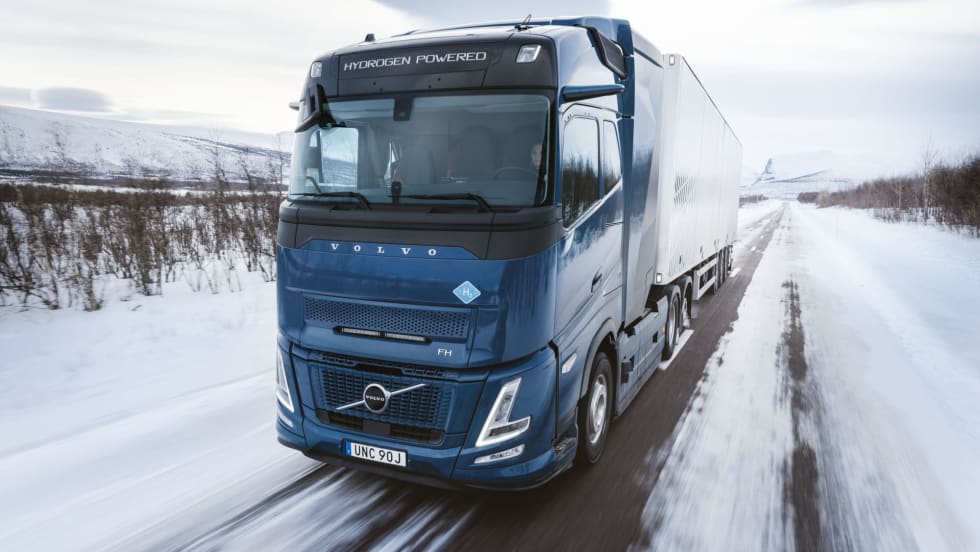
Volvo Testing Hydrogen-Fueled Internal Combustion Engines on Trucks in Europe
Hydrogen combustion engine trucks will be especially suitable over longer distances and in regions where there is limited charging infrastructure or time for recharging of battery-electric trucks, according to the company.
Read More →
Toyota’s Entry Into Cellcentric Signals Push to Accelerate Hydrogen Truck Adoption
By joining Daimler Truck and Volvo, Toyota brings fuel cell expertise to a joint effort aimed at making hydrogen viable for heavy-duty transport.
Read More →
U.S. Diesel Prices Hit $5.40, Top $7 in California
Trucking operators are slowing speeds, cutting empty miles, and declining unprofitable freight as diesel costs continue to rise due to conflict in the Middle East.
Read More →
EPA Targets DEF Sensor Failures Behind Truck Derates
New guidance allows engine makers to replace problematic DEF sensors with NOx-based systems, aiming to reduce unnecessary derates and downtime caused by failures in the sensors designed to monitor diesel exhaust fluid on trucks.
Read More →
Heavy Duty Trucking is Searching for the Top Green Fleets of 2026
Is your company a leader in sustainability efforts among trucking fleets? If so, Heavy Duty Trucking's editors want to hear from you.
Read More →
What's Real in Advanced Truck Technology? ACT Expo's Erik Neandross Weighs In
Artificial intelligence, the software-defined vehicle, telematics, autonomous trucks, electric trucks and alternative fuels, and more in this HDT Talks Trucking interview
Read More →Why Diesel Is Climbing Fast—and What the Iran Conflict Has to Do With It
With global oil flows disrupted, U.S. diesel prices have topped $5 across every region, climbing sharply in the past few weeks.
Read More →
From Diesel Prices to Cyberattacks: How the Iran War Is Affecting Trucking
The impact of the Iran conflict extends beyond fuel costs, bringing more fraud and cybersecurity risks to the trucking industry.
Read More →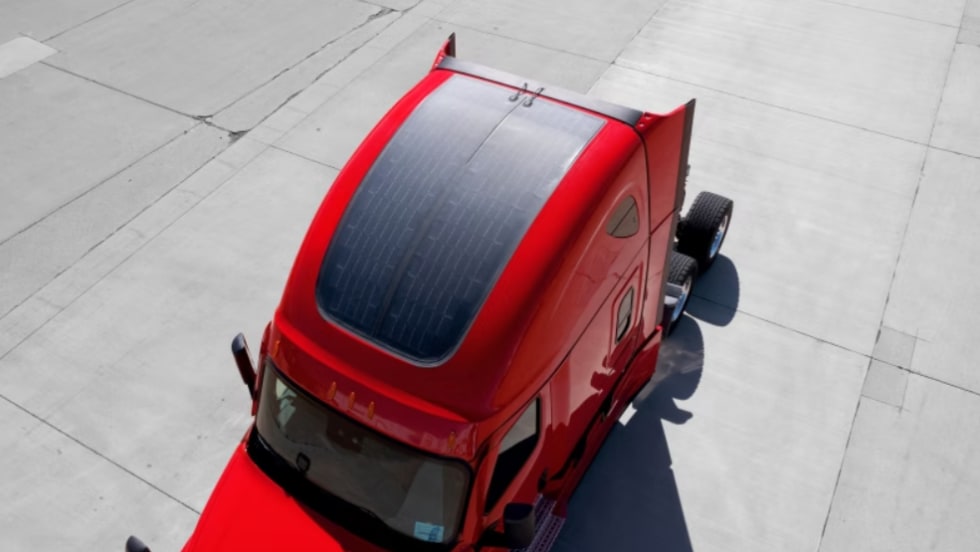
Vanair Introduces Solar, Battery Power Ecosystem for Class 8 Trucks
The company’s expanded EPEQ ecosystem includes flexible solar panels, lithium batteries, hydraulic power systems, and a portable fast charger for electric trucks.
Read More →
Run on Less “Messy Middle” Data Shows Multiple Paths for Truck Powertrains [Listen]
Listen as Mike Roeth of the North American Council for Freight Efficiency shares insights into battery-electric trucks, natural gas, biofuels, and clean diesel on this episode of HDT Talks Trucking.
Read More →