




Penske Logistics Adds Video-Based Safety Program
Penske Logistics is introducing the next generation of truck fleet safety technology through a video-based safety program in more than 2,800 of its heavy-duty trucks across the company’s North America operations.

The foundation includes event-triggered onboard cameras from SmartDrive that face inside the truck cab, and outwards to the road, along with an ongoing driver safety coaching program. (Photo courtesy of Penske)

The foundation includes event-triggered onboard cameras from SmartDrive that face inside the truck cab, and outwards to the road, along with an ongoing driver safety coaching program. (Photo courtesy of Penske)
Penske Logistics is introducing the next generation of truck fleet safety technology through a video-based safety program in more than 2,800 of its heavy-duty trucks across the company’s North America operations. The foundation includes event-triggered onboard cameras from SmartDrive that face inside the truck cab, and outwards to the road, along with an ongoing driver safety coaching program.
“We’re committed to running a safe fleet and strive to ensure that our truck drivers are equipped with the latest fleet safety technology, late model vehicles, and ongoing safety coaching,” explained Penske Logistics President Marc Althen. “This new safety technology allows us to take our dedicated carriage fleet safety to another level to the benefit of the motoring public, our drivers, and customers.”
The new video-based safety program further enhances other safety-related technologies increasingly deployed within the Penske Logistics dedicated carriage fleet including backup alarms; collision avoidance and lane departure systems; stability control systems; air disc brakes; electronic driver logs; onboard telematics and vehicle diagnostics systems; speed governors; and advanced visibility LED headlights.
Penske Logistics Vice President of Safety Jason Herr noted: “A key component of this technology is the ongoing driver safety coaching program that accompanies it. Using the footage, we’re able to review incidents and coach drivers to be better and safer drivers. During a pilot program last year, results of the video-based safety program proved promising, as we saw significant reductions in total incidents and improved safety scores for our truck drivers at all locations.”
Truck drivers for Penske Logistics are also continually trained using the Smith System, widely recognized as a leading transportation industry defensive driving program.
The new cameras do not record unless triggered by an event when the vehicle is in operation, often leveraging the fleet’s active safety technologies. The combination of inward and outward facing cameras provides a wide-ranging view of the driver’s behavior. The footage can also be used for exoneration and reconstruction purposes.
More Safety & Compliance
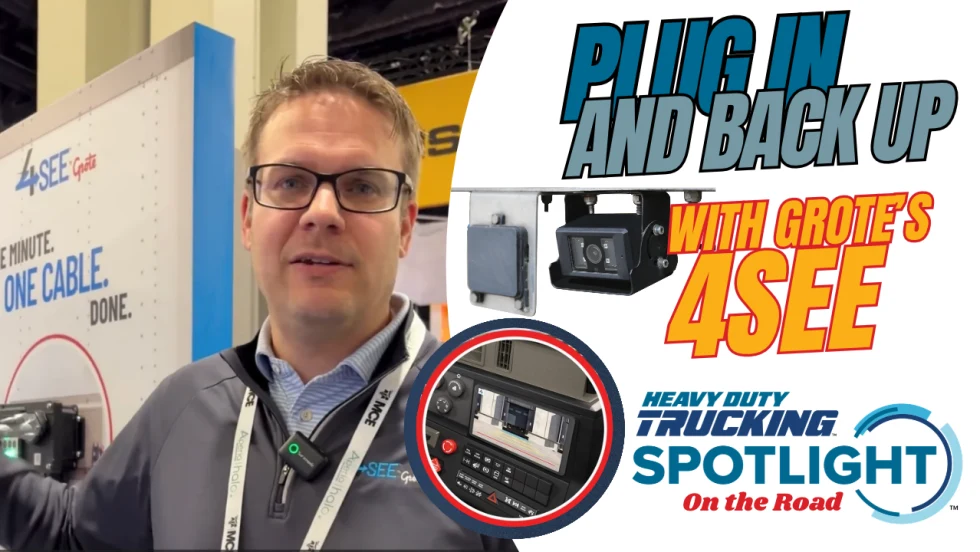
More Trailer Data Through the Same Seven-Way [Video]
Can trucking’s standard seven-way connector handle more cameras and trailer data? Grote’s Adam Slade shows HDT how the company is using new technology with its 4See trailer system, not only to add a new backup camera but also to expand other capabilities — without adding another connection.
Read More →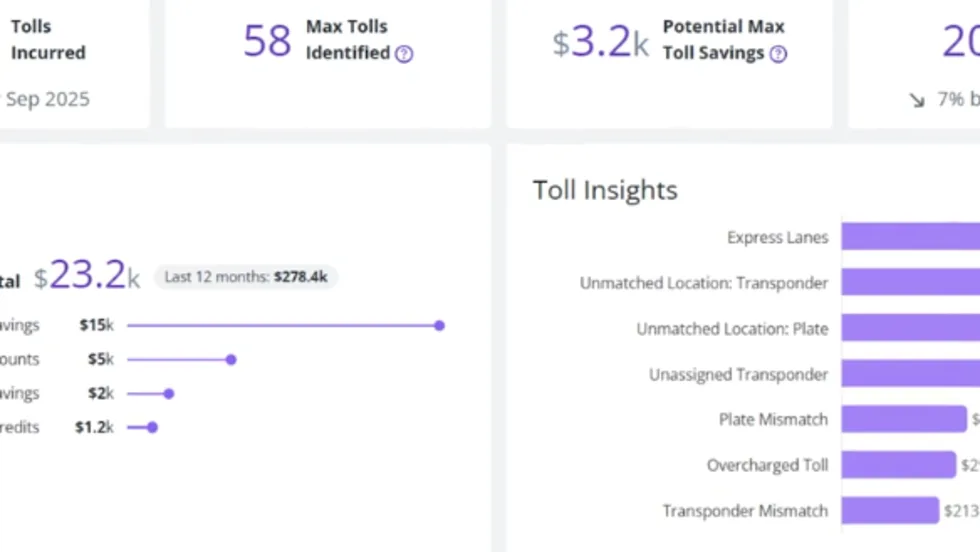
PrePass Intelligence Mines Fleet Bypass, Toll and Safety Data
PrePass Intelligence helps fleets measure bypass savings, flag potential toll overcharges, and spot suspicious transactions by combining data from separate systems.
Read More →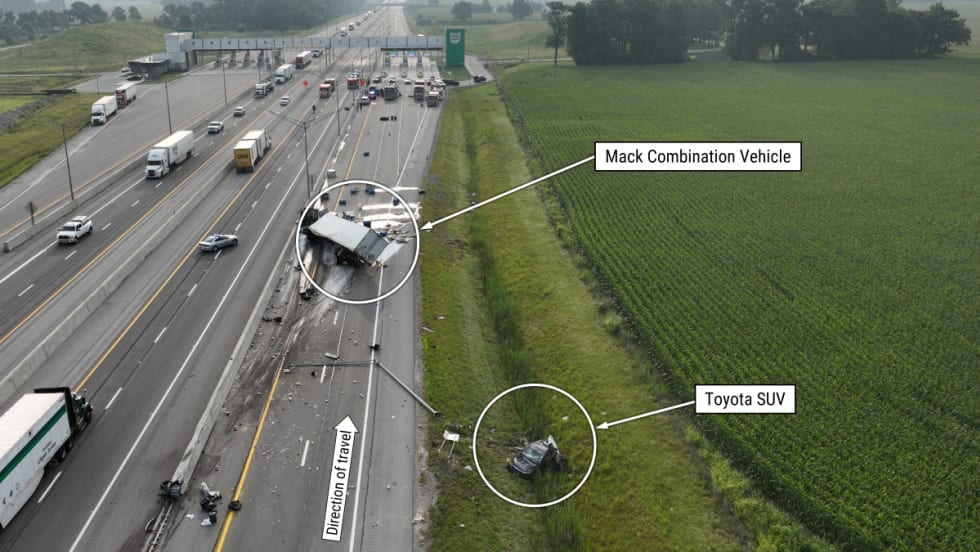
Fatal Crash Exposes Toll Plaza Risks
An NTSB investigation found that last-minute lane changes and large speed differences at an Ohio toll plaza created a hazard the truck driver couldn't avoid in time.
Read More →

When Language Stops the Truck: The Return of ELP Out-of-Service Orders
English language proficiency rules for commercial drivers aren’t new, but renewed out-of-service enforcement has raised the stakes. Here’s what carriers need to know before a driver reaches a roadside inspection.
Read More →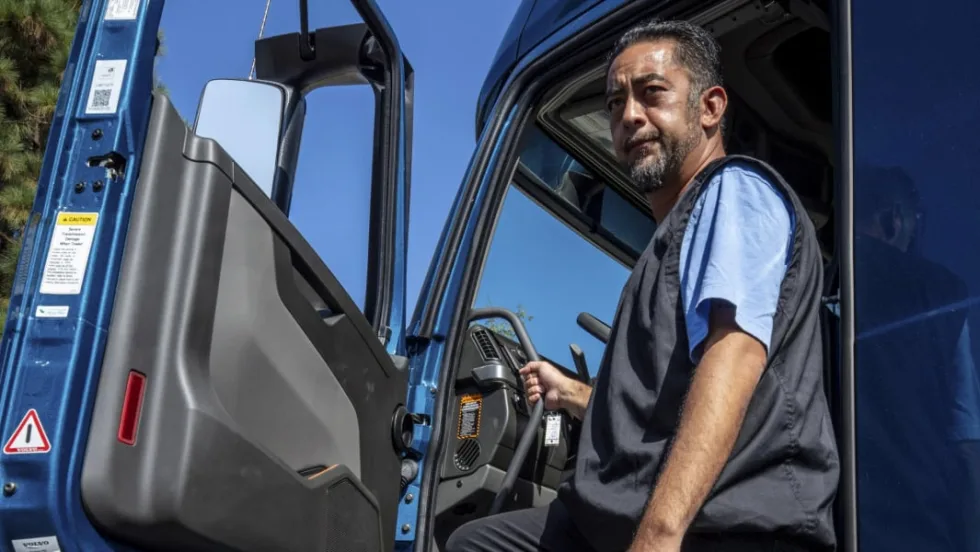
A Camera Isn't a Safety Program. Here's What Brokers Are Screening for Now
Footage alone may not be enough to pass broker vetting processes. Here's what counts as a defensible safety program now.
Read More →
Marijuana and Trucking’s Drug-Testing Dilemma
Marijuana is getting stronger, laws are changing, and drug tests still can’t reliably establish impairment. What does that mean for truck drivers and the fleets that employ them?
Read More →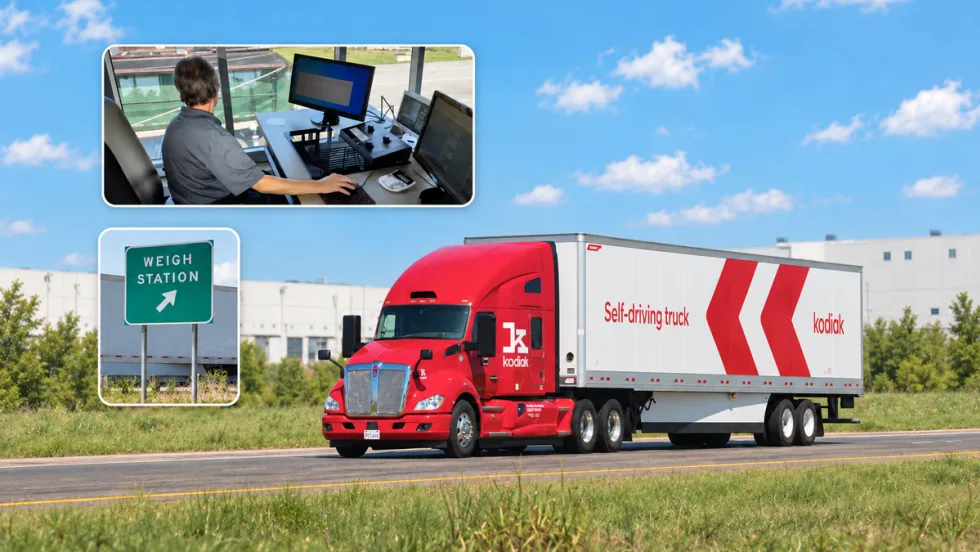
PrePass, Kodiak Connect Driverless Trucks to Roadside Enforcement
The system will allow enforcement agencies to verify Enhanced Inspection information and decide whether Kodiak’s autonomous trucks can bypass roadside screening sites.
Read More →
From One Generation to the Next: How Mentorship Builds Safer Truck Drivers
After three decades in trucking, Harold Perry shares what he's learned about driver safety, mentorship, and helping the next generation build confidence behind the wheel.
Read More →
FMCSA Pauses Biennial-Update Enforcement Amid Motus Transition
Carriers whose updates were due on or after June 1 have more time, while FMCSA works to stabilize its new registration system and warns of phishing sites impersonating its new carrier registration system, Motus.
Read More →
ZF Expands Commercial Vehicle Push in North America
ZF is expanding its North American commercial-vehicle presence with new transmission applications, electrification, trailer technology and autonomous-driving systems.
Read More →