




Related: Bernie Sanders Wants Crackdown on Companies That Don't Pay Drivers Living Wage
Lawsuit Filed Against XPO Over Port Truck Driver Wages and Benefits
A lawsuit filed on behalf of three truck drivers against XPO Logistics Cartage in California alleges that they did not receive proper wages and benefits due to being classified as independent contractors instead of employees.

Steven Martinez・Web Editor
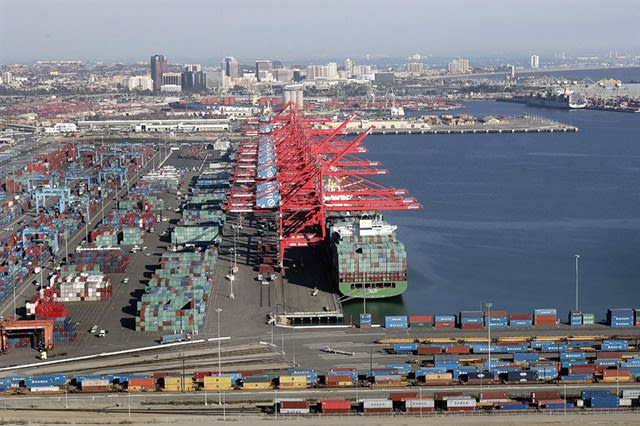
XPO Logistics Cartage is being sued by three drivers who claim they were improperly classified as independent contractors instead of as employees. Photo: Port of Long Beach
3 min to read
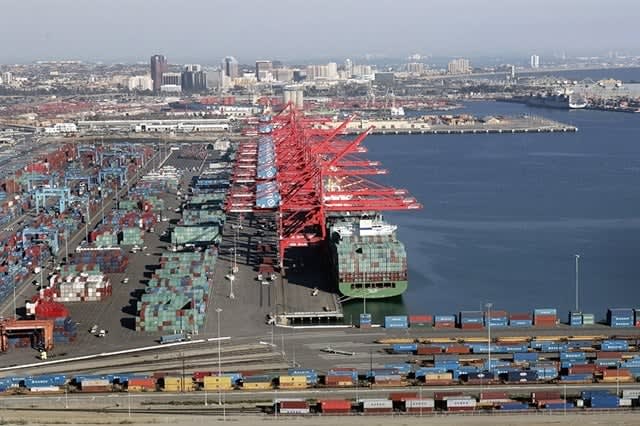
XPO Logistics Cartage is being sued by three drivers who claim they were improperly classified as independent contractors instead of as employees.Photo: Port of Long Beach
A lawsuit filed on behalf of three truck drivers against XPO Logistics Cartage in California alleges that they did not receive proper wages and benefits due to being classified as independent contractors instead of employees.
The lawsuit claims that XPO exerted control over the three drivers as employees, but they were not entitled to the same wages and benefits as employee drivers.
The drivers said they depended on XPO to provide them with work and were expected to follow all of the company’s rules. The lawsuit alleges that this constituted a level of control over the independent drivers that prevented them from truly being independent of XPO. In some cases the drivers leased a truck through deals with XPO.
By not being considered employees, the drivers claim they have not received the legal minimum wage in California and are liable for certain expenses which are taken out of their paychecks. The drivers also claim they are also not able to take meal and rest breaks that are required under California law and do not have access to other employee protections such as workers compensation.
A representative of the Harbor Trucking Association, which represents many of the trucking companies servicing the ports in Southern California, told HDT that XPO’s size and success has attracted attacks from organizing groups looking to use the company’s name to further their cause.
“XPO’s tremendous success in the trucking industry has put an incredible organizing target on their backs,” said Weston LaBar, chief executive officer of the HTA. “From all the information I have received, XPO has a great reputation with their drivers and it is a small number of drivers who have signed onto this class-action effort.”
The HTA also acknowledged XPO’s right to choose its business model and the rights of truckers to choose their employment.
“HTA continues to support our members' rights to have a choice in how they formulate their business model, as well as the right of truckers to decide what type of company they want to drive for – employee or owner-operator,” LaBar said. “At this point in time, if drivers don’t like their work environment, there are plenty of opportunities throughout the port to be an employee or an independent owner-operator. We will continue to advocate for choice and fight for the rights of companies and drivers.”
Last year, a federal judge ruled against XPO in a similar case involving five port and rail truck drivers, awarding them nearly $1 million in reimbursement and legal fees. Driver misclassification lawsuits have plagued Southern California’s port trucking community, costing carriers millions of dollars and putting some companies out of business.
The California Labor Commission has generally ruled in favor of drivers in these lawsuits, and the issue has received more public attention through a controversial USA Today series that highlighted the plight of some drivers who were struggling to make a living wage while illegally working long hours. At the time, the HTA called the reports misleading, saying USA Today sensationalized the industry by cherry-picking the worst cases.
In recent months, Los Angeles city council members have become more involved in the issue, exploring what actions it could take to mandate fair wages and working conditions truckers servicing Southern California ports. In January, the City of Los Angeles filed a lawsuit against CMI Transportation, K&R Transportation California, and Cal Cartage Transportation Express over the issue.
More Drivers

Truck Drivers Need More Than Another Alert
Fleets have more visibility into truck health, safety events, and driver activity than ever. The next challenge is turning all that information into useful guidance for the person who has to decide what to do next.
Read More →
FMCSA Removes 110 Truck Driver Training Schools from Certified ELDT List
Federal regulators also are targeting more than 160 additional training providers and launching a nationwide audit of third-party CDL skills testers as part of a broader crackdown on trucking fraud.
Read More →
Hours of Service Pilot Programs: FMCSA Readies for 2027 Rollout
Two pilot programs could eventually reshape hours-of-service rules, giving truck drivers options to pause their 14-hour clock or use longer split sleeper rest periods.
Read More →
Medical Cards, English Proficiency Reshape Roadcheck Violations
Medical-card violations jumped to the top of the driver out-of-service list during CVSA’s 2026 International Roadcheck, while English-language proficiency violations appeared among the leading violations for the first time.
Read More →
Driver Trust Can Make or Break the Success of Fleet Safety Technology
New Teletrac Navman research suggests that onboarding, transparency about driver data, and positive feedback can play a significant role in how commercial drivers respond to safety and coaching technology.
Read More →
EEOC Sues KLLM Over Alleged Sex Discrimination in Driver Training
KLLM is facing a federal sex-discrimination lawsuit over policies the EEOC alleges put female truck driver trainees at a disadvantage.
Read More →
FMCSA Moves to Codify English Language Requirements for Commercial Drivers
By changing regulations on English-language proficiency requirements for commercial drivers, rather than relying on a guidance memo, the FMCSA said future administrations won't be able to walk back the Trump administration's stricter enforcement with just a memo.
Read More →
Drivers Put Western Star Trucks to the Test at Star Nation Experience
Watch to get an inside look at the Western Star trucks, technology, and community behind the Star Nation Experience 2026!
Read More →
Trump Administration Looks to Put More Veterans Behind the Wheel
The Freedom Haulers program pulls together existing and expanded programs at several federal agencies to recruit veterans to drive commercial heavy-duty trucks and cut the red tape for them to get a CDL, training, and employment.
Read More →
Putting Mack’s Command Steer to the Test
A test drive of Mack’s Command Steer active steering system evaluates how it can make truck driving easier and less tiring.
Read More →