




Related: Proposed Accounting Changes Would Affect Truck Leasing (2011)
New Accounting Standards Will Affect Lease Reporting
For companies that lease vehicles – finance and full-service – new accounting standards will impact their financial reporting, but result in little change to their operations.
by Staff
December 15, 2015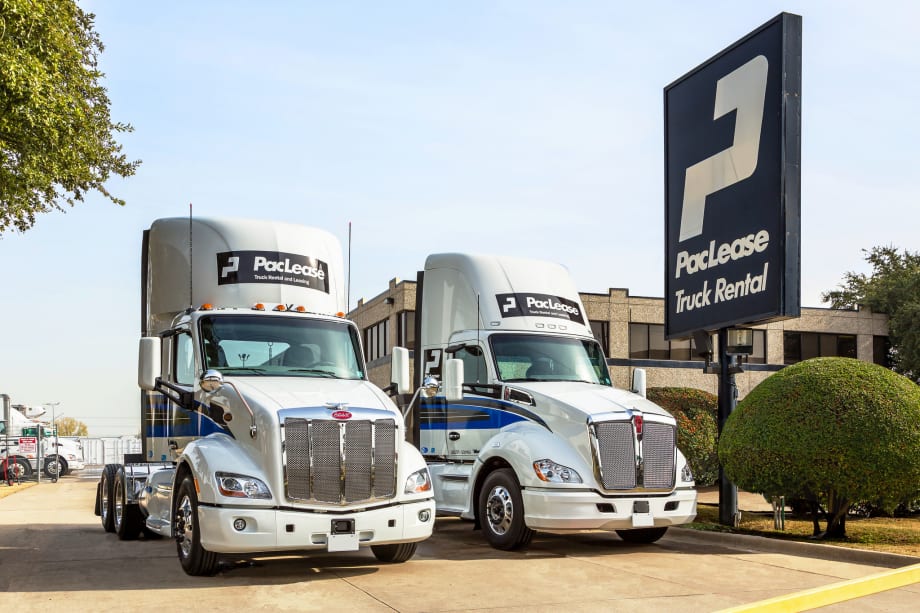
Photo courtesy PacLease
3 min to read
For companies that lease vehicles – finance and full-service – new accounting standards recently unveiled by the Financial Accounting Standards Board (FASB) will impact their financial reporting, but result in little change to their operations.
“The good news is that leasing will continue to provide numerous advantages to fleets,” says Brent Stevens, PacLease corporate services manager. “The advantages of full-service leasing, such as outsourcing vehicle ownership (to alleviate investing capital in non-core business assets) and related repair and maintenance, remain unchanged,” he said. “What’s more, leasing will continue to transfer the vehicle’s residual risk to the lessor, improve and provide predictable cash flow, and give tax benefits – all while providing an additional source of low-cost capital.”
According to Stevens, the objective of the new FASB lease accounting standard is to make financial reports easier for users to understand.
“Currently, financial institutions and other users of a company’s financial reports have to closely review the footnotes to the financial reports to understand the impact and scope of assets and associated liabilities related to off-balance sheet operating leases,” Stevens explains. Most full-service leases are accounted for as operating leases (off balance sheet – no asset or liability recorded), and the lease payment is simply recorded as an expense on the income statement.
“But in doing so, someone reviewing the financials of the company can spend a great deal of time trying to estimate the value of assets leased by the a company and financial obligations related to the leases.”
And Stevens says that’s what FASB is trying to change and simplify for users of financial reports. “The new FASB lease accounting standard will require all leases, including operating leases, to be reported as assets and liabilities on the balance sheet. It clarifies accounting and gives investors and financial institutions a more accurate picture of the long-term financial obligations of the company leasing trucks,” he says.
The changes have been in the works for some time. The Sarbanes-Oxley Act of 2002, which was the response to the major corporate and accounting scandals that included Enron, set a number of new or stricter standards for U.S. public boards, management and public accounting, including enhanced financial disclosures for off-balance-sheet transactions. And the Act required the Securities and Exchange Commission and the controller general to perform various studies and report to Congress. Such a report by the SEC in 2005 focused on off-balance-sheet arrangements and recommended FASB undertake a project to reconsider lease accounting standards.
According to Stevens, the new standard retains the straight-line expense recognition for operating leases on the income statement. “And most importantly, although the operating lease liability will be recorded on the balance sheet as a liability, it will not be classified as debt,” he said. “Those leasing trucks will need to allocate the rent payment between the portion related to the lease of the vehicle and the bundled services in order to determine the asset and liability amounts to record on the balance sheet.”
The new rules, to be published in early 2016, are not expected to go into effect for public companies until 2019. Private companies, whose lenders require audited GAAP financial reports, will have until fiscal year 2020 to incorporate these standards.
Your leasing company should be able to help you navigate the new standards.
Note: This article was provided by a public relations agency representing PacLease. It was authored under the guidance and editorial standards of HDT's editors to provide useful information to our readers.
Subscribe to Our Newsletter
More Fleet Management
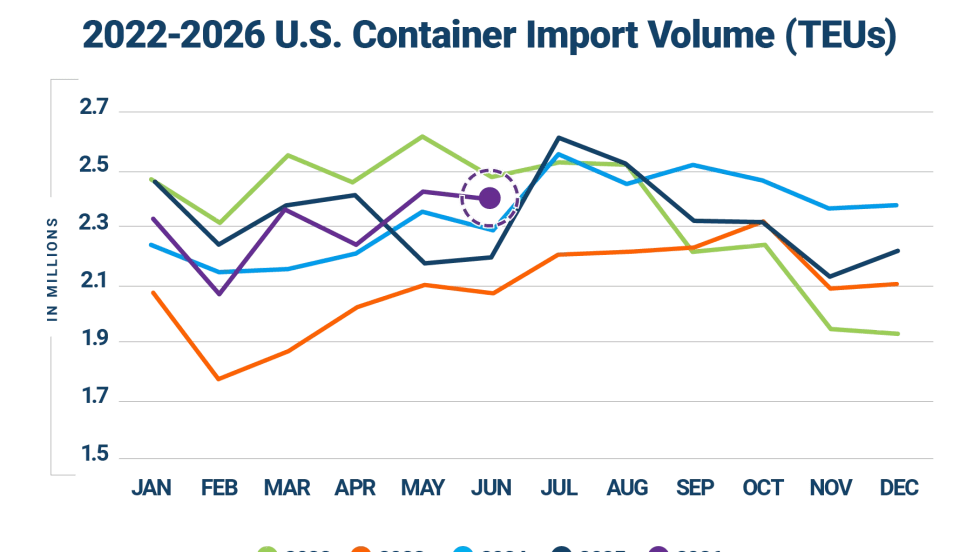
Import Cargo’s Early Peak Season is Winding Down
There was an early start to peak season this year at the nation's gateway ports, as retailers brought in merchandise ahead of tariff changes in late July and responded to other supply chain uncertainties,
Read More →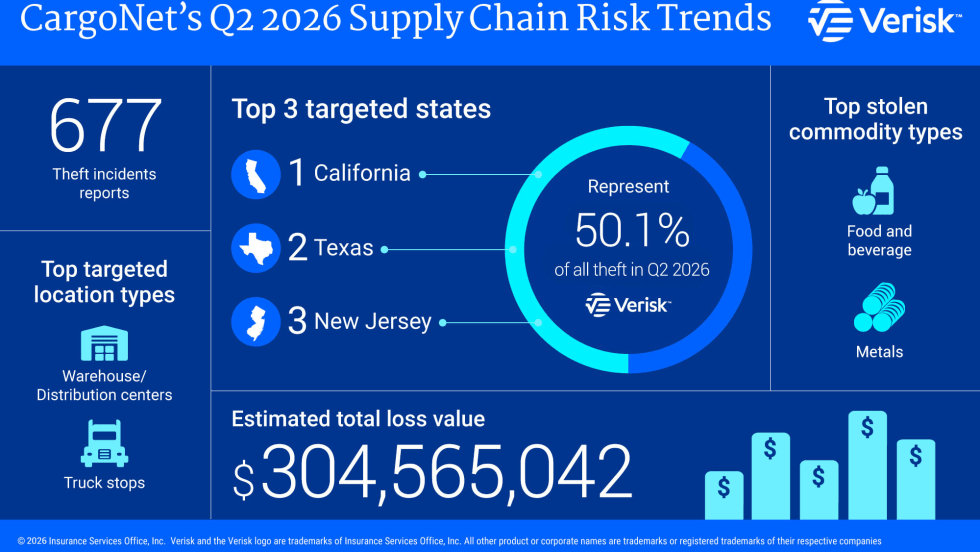
Fewer Cargo Thefts, Bigger Losses: Criminals Target Higher-Value Loads
CargoNet says organized theft rings are stealing fewer shipments but choosing more valuable freight, including metals and technology, resulting in record losses.
Read More →
How Innovative Trucking Leaders Turn Change Into an Advantage
As the pace of change accelerates in trucking, the fleets that adapt best have more than the latest technology. They have cultures that embrace improvement.
Read More →
Freight Broker Bonds Just Got Harder to Get. Here's What That Means for Your Fleet.
When it gets harder for a freight broker to prove they are financially sound, the ones who cannot clear that bar get pushed out of the market. And those are exactly the brokers who used to leave motor carriers holding the bag.
Read More →
Long-Awaited Canadian Border Bridge to Open in Detroit
For trucking, the bridge opening should offer immediate improvements in efficiency and reliability, with new customs facilities, expanded inspection capacity, and direct freeway-to-freeway connections.
Read More →
Aurora Rolls Out Next Generation of Driverless Trucks for Commercial Freight
Aurora's latest autonomous trucks it's rolling out with International feature lower-cost hardware designed for a million miles as the company expands commercial driverless freight operations across the U.S. Sun Belt.
Read More →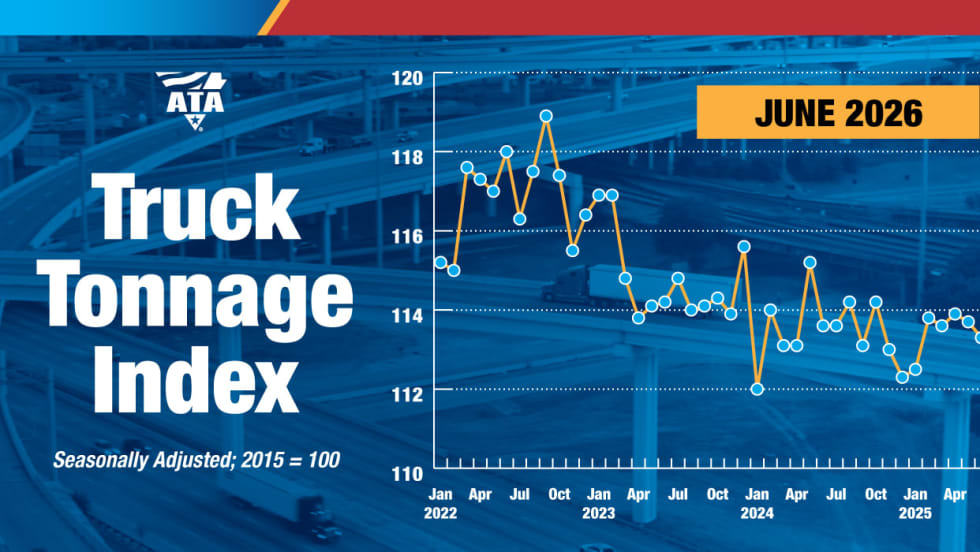
Freight Tonnage Down, Rates up, as Lower Capacity Powers Trucking Recovery
The recovery from the freight recession continues to be driven by reduction in capacity rather than by increased demand.
Read More →
Think Your Trucking Fleet Isn't Using Much AI? Think Again
Shadow AI — the use of unauthorized artificial intelligence tools at work — is becoming increasingly common, putting sensitive company data at risk. Learn how trucking fleets can protect sensitive data while embracing AI.
Read More →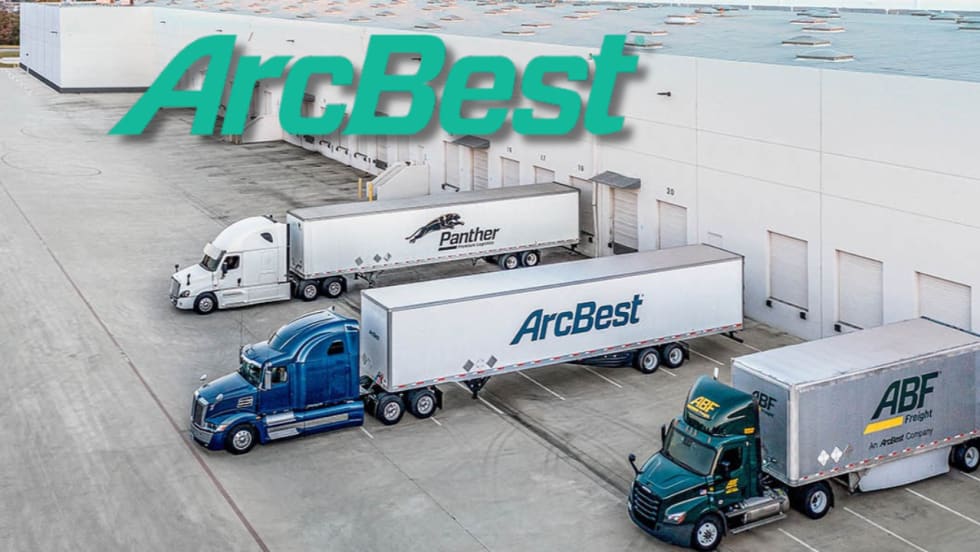
ArcBest Consolidates Brands, Cuts Workforce
The company will bring three business units under the ArcBest brand, eliminate about 2% of positions, and expects the changes to generate $40 million in annual savings.
Read More →
Trucking Fleets Faced Record Operating Costs During Third Year of Freight Recession
ATRI's annual operational cost report shows carriers trimmed fleets, delayed equipment purchases, and ran older trucks as expenses continued to outpace freight rates.
Read More →