





Bruce Hudson, director of corporate maintenance at Heartland Express, has a heart when it comes to the Iowa-based truckload and logistics company’s drivers, who must spend nights on the road. So he’s come up with changes to a tractor’s electrical system that will benefit them during off-duty hours.
Providing ‘Comforts of Home’ for Heartland’s Drivers
Bruce Hudson, director of corporate maintenance at Heartland Express, has a heart when it comes to the Iowa-based truckload and logistics company’s drivers, who must spend nights on the road. So he’s come up with changes to a tractor’s electrical system that will benefit them during off-duty hours.
May 14, 2014
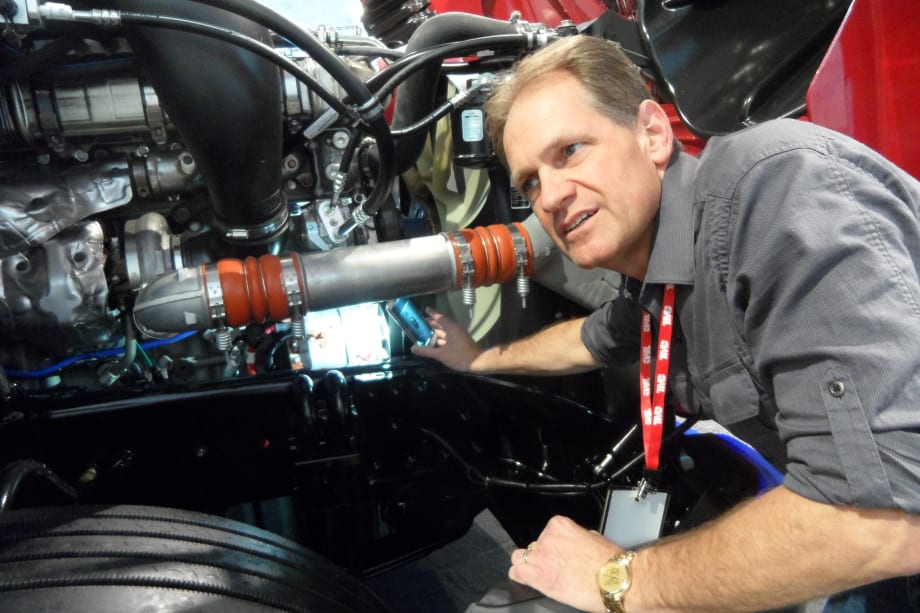
Key to Bruce Hudson’s change to Heartland Express’s tractors is a larger alternator and mounting batteries on frame rails so they’ll stay cool.
3 min to read

“This is for the drivers,” he says. “Over the years so many changes were made in the truck. But the electrical system has never caught up to the electrical and electronic systems now out there – microwaves, CPAP devices, computers, console gaming things. They take juice, but they keep drivers entertained.”
Managers today want drivers to shut off the engine and save fuel, Hudson says, but there has to be a means to power those accessories. Some options are heavy or expensive, but he found that strengthening the electrical charging system will solve the problem. So he’s made changes to specifications for future tractors, including:
• Switching to an alternator larger than the standard 155- to 185-amp units. For proprietary reasons he can’t say how much bigger.
• Mounting batteries on frame rails to keep them cool. Manufacturers have been putting the usual four Group 31 batteries under the cab so they’re closer to the alternator, but this keeps them in a hot space where they don’t live long.
• Using a heavy charging cable. The longer run to the batteries requires a cable that’s heftier than standard.
Those changes allow Heartland to stay with a four-battery complement. They’ll live longer because the larger alternator will keep them fully charged most of the time, even in cold weather when high current is needed to overcome battery sluggishness. This also allows Hudson to do away with battery sensing and the extra wire between the alternator and batteries. And he’s working with several suppliers on a component that will ensure that batteries are not overcharged, either.
He’s altered the charging systems on two tractors and they’re working well. The changes will cost a fraction of add-on components and be far simpler to manage, he figures.
“We’re not making something new,” Hudson says. “I’m taking what’s been out there and making it work better.”
Transition
Heartland Express has long been known for its low operating ratio and healthy profits. Challenges have increased since its acquisition last November of Gordon Trucking Inc. of Pacific, Wash. The long, rough winter negatively impacted operations, but profits are still there.
GTI remains a separate operation, but the plan is to gradually meld the two companies and their workforces, says Heartland’s maintenance director, Bruce Hudson. He’s determined to make any equipment changes slowly and explain them as he goes, including the electrical systems outlined in ths article. Gordon’s tractors have been outfitted to deal with “house” loads differently, Hudson says and “I don’t want them to think we’re pulling the rug out from under them.”
Subscribe to Our Newsletter
More Fleet Management

HDT Honors the Best New Products of 2025 at TMC
Heavy Duty Trucking's Top 20 Products awards recognize the best new products and technologies. Check out the award presentations at the 2026 Technology & Maintenance Council annual meeting.
Read More →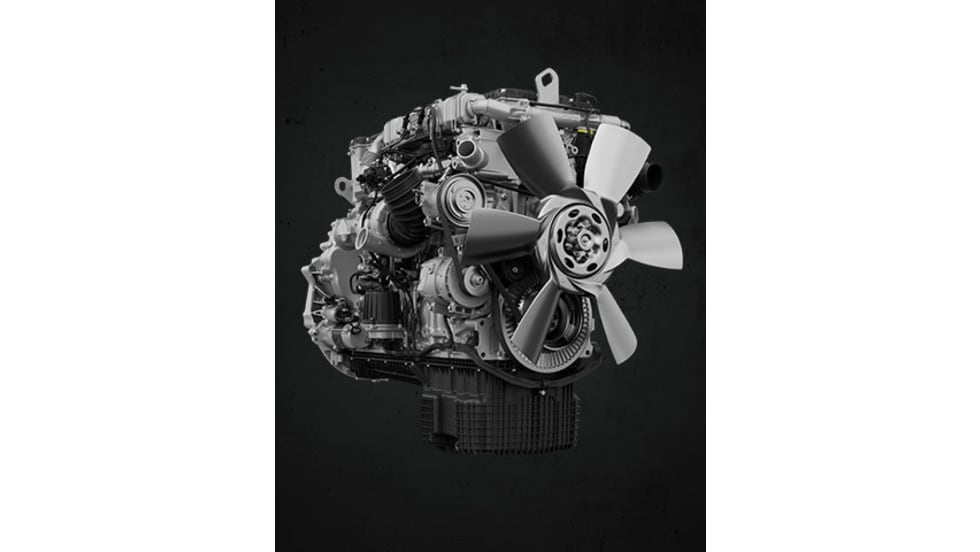
Sponsored•March 31, 2026
Detroit Engines: Trusted Performance, Built for What's Next
The Detroit® Gen 6 engine platform proves that real progress doesn’t require a complete redesign. Built on 20 years of trusted technology, these engines are designed for efficiency, stronger performance, and greater reliability than before. And they do it all while complying with 2027 EPA standards on every mile.
Read More →
Q&A: What's Real in Advanced Truck Tech? ACT Expo's Erik Neandross Weighs In
The 2026 ACT Expo is focusing heavily on what organizer Erik Neandross calls trucking's digital frontier. This interview excerpt dives into artificial intelligence, zero-emission vehicles, and tips to make sense of it all.
Read More →
Trucking's Digital Frontier: AI, Connected Vehicles, Alternative Fuels and More
There's an amazing amount of new technology for trucking out there. For fleets, the challenge is figuring out what’s real, what’s hype, and what’s worth investing in.
Read More →
What's Real in Advanced Truck Technology? ACT Expo's Erik Neandross Weighs In
Artificial intelligence, the software-defined vehicle, telematics, autonomous trucks, electric trucks and alternative fuels, and more in this HDT Talks Trucking interview
Read More →
ACT: Trucking Volumes Rise, Capacity Tightens as Fuel Prices Cloud Outlook
ACT Research data shows volumes hitting a four-year high and supply-demand balance strengthening, but higher oil prices are undercutting tariff relief and tempering optimism.
Read More →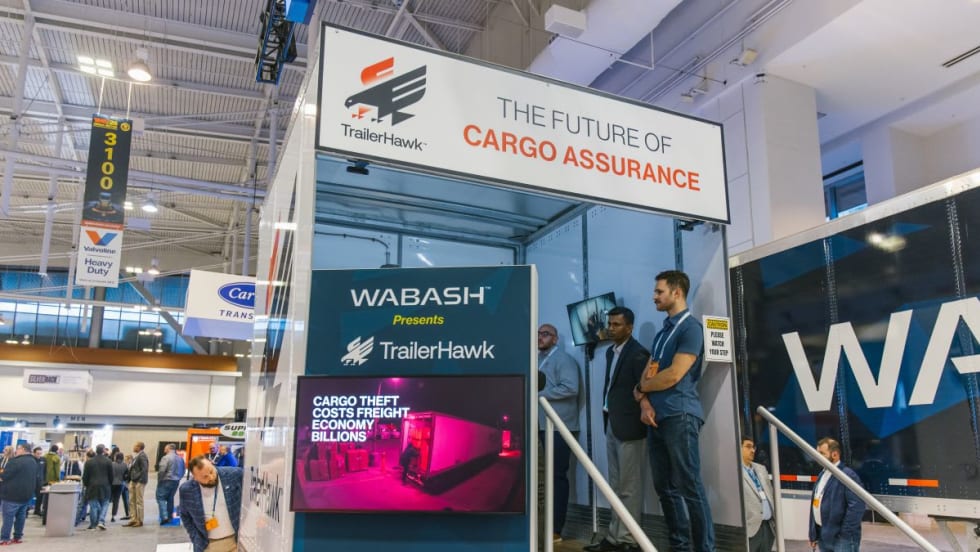
Wabash Teams Physical Security With Digital Tech For Better Cargo Visibility
The patent-pending cargo solution integrates a digitally connected cargo door and an intelligent locking system with the TrailerHawk.AI technology platform.
Read More →
From Diesel Prices to Cyberattacks: How the Iran War Is Affecting Trucking
The impact of the Iran conflict extends beyond fuel costs, bringing more fraud and cybersecurity risks to the trucking industry.
Read More →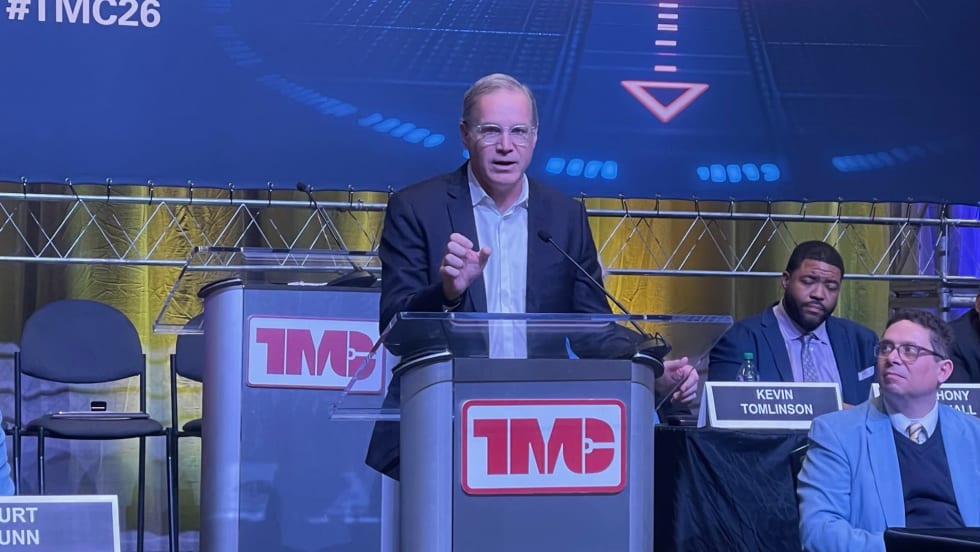
ATA’s Spear Warns Fuel Prices, Trade Policy, and Global Conflict Could Stall Trucking Recovery
Speaking at the TMC Annual Meeting in Nashville, ATA President Chris Spear said trucking faces mounting pressure from rising fuel prices, geopolitical instability, and uncertainty around trade policy.
Read More →
New Entrants, Chameleon Carriers, and Safety: Is It Too Easy to Start a Trucking Company?
More than 100,000 new trucking companies enter the industry each year, but regulators manage to audit only a fraction of them. That churn creates opportunities for inexperienced startups — and for “chameleon carriers” that shut down after safety violations and reappear under new identities. Read more from Deborah Lockridge in this commentary.
Read More →