




Get Trucking!
ATA launches a media campaign to reach drivers outside the traditional pool.


The truck driver shortage is certainly nothing new. When we were researching our special issue, "100 Years of Trucking," which we published in 1998, I perused archived issues of our publication back into the 1920s (then it was called Western Truck Owner).
TI was surprised that the issues we addressed back then are very much the same issues we discuss on our pages today. Highways and infrastructure, fuel prices, equipment issues – and most important, the lack of competent, quality truck drivers.
It's not a new issue. But it's always been a hot one. But today, trucking companies are finding creative new ways to find and keep good drivers.
Swift Transportation, for example, gave away a million dollars each to two lucky drivers. Wil-Trans is giving drivers $10,000 bonuses if they stay onboard for five years. Pottle Transportation is guaranteeing drivers $150 a day, whether they're running or not.
These are just a few of the programs fleets are using to lure a high-quality driver force.
The industry's leading trade association is also getting into the act. The American Trucking Associations has launched a media campaign and web site – GetTrucking.com – designed to reach out to potential drivers outside the usual driving pool.
The traditional group continues to be white males, ages 35 to 54. The GetTrucking.com media campaign targets women, minorities, ex-military, people who are close to retirement age but don't want to completely retire and husband-and-wife teams.
Billboards and magazine ads promote the romance of being a trucker, with clever tag lines that read:
• My office has a better view than yours.
• Each day on the road is a new adventure.
• The road is calling. So answer it. All you have to do is take the wheel.
• Assembly lines don't give you stories you can tell.
• You grew up playing with trucks. What happened?
• 18 wheels. 50 states. One fantastic career.
The web site provides brief information on what it takes to become a professional truck driver and a registration form and application for those who might be interested. In addition, truck drivers can look for jobs, and trucking companies can post job availabilities.
ATA appropriated $500,000 to start up the campaign. If a state ATA affiliate organization raises X amount of dollars, ATA will match that money and it goes into an advertising campaign for the state, explains Elisabeth Barna, ATA vice president for strategic planning. "A lot of those states are pooling their dollars for a regional ad buy."
ATA worked with an ad agency to develop the campaign. The agency conducted focus groups and developed what it calls a "DNA of the Trucker," which it then used as a guide while developing the ads.
The campaign came to the attention of the "Good Morning America" TV show, which featured a billboard with the headline, "No one ever wrote a song called 'Mini Vanin'" on a March 7 segment touting second careers. Featured in the segment were two FedEx drivers – a husband-and-wife team in their late 50s and early 60s. As Tory Johnson, the show's workplace contributor, said, "Even the trucking industry is trying to lure such workers based on the theory that if they can drive a Winnebago into the sunset, they can handle an 18-wheeler, too."
And get paid for it!
E-mail Deb Whistler at dwhistler@truckinginfo.com
More Fleet Management
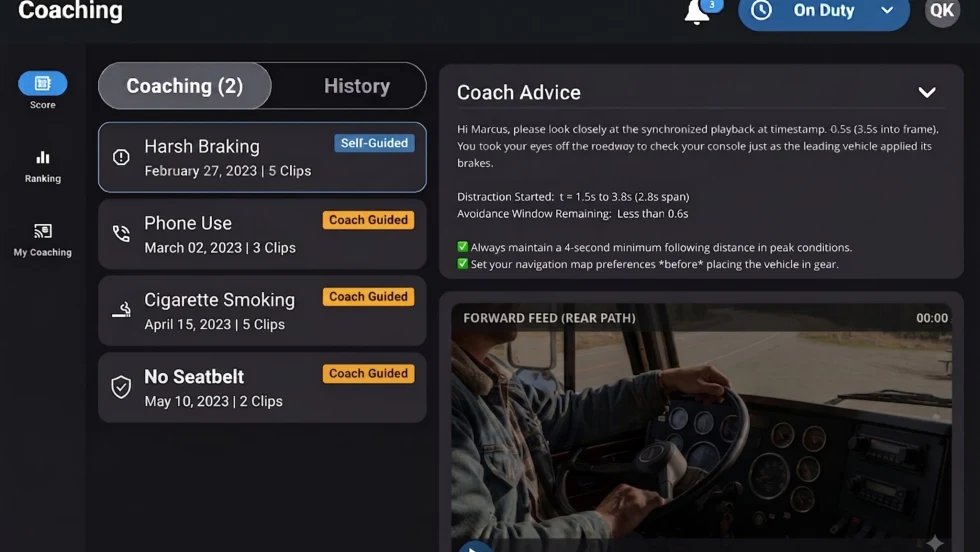
Platform Science Adds Dispatch and Safety Tools
Four additions to PS Fleet help fleets monitor loads, manage driver coaching, share truck locations and adjust video system settings.
Read More →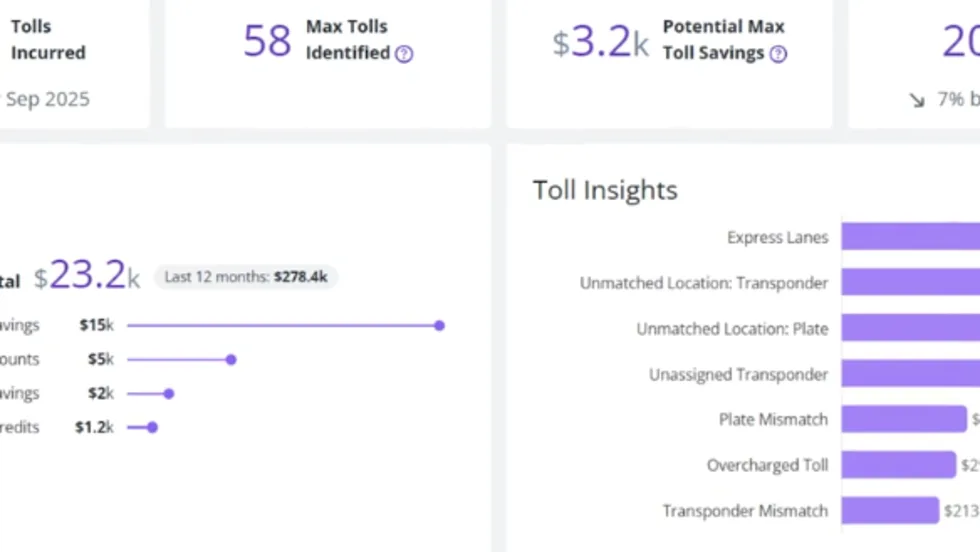
PrePass Intelligence Mines Fleet Bypass, Toll and Safety Data
PrePass Intelligence helps fleets measure bypass savings, flag potential toll overcharges, and spot suspicious transactions by combining data from separate systems.
Read More →
Motive Adds AI Agents for Fleet Operations
New tools automate follow-up on fleet data, from maintenance work orders to driver alerts, with two-way voice conversations planned for later this year.
Read More →
Can You Beat Our Trucking Trivia Challenge?
Test your truck knowledge with 19 trivia questions from Heavy Duty Trucking Exchange. Can you keep up with the fleet pros?
Read More →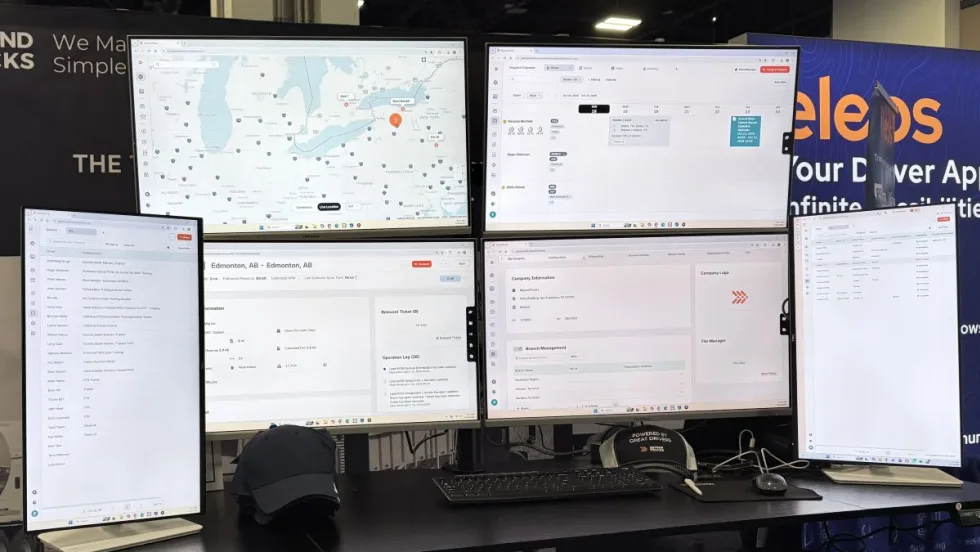
BeyondTrucks Adds Rules Checks to Dispatch
New Compatibility Engine checks driver qualifications, equipment requirements and fleet policies before loads are dispatched.
Read More →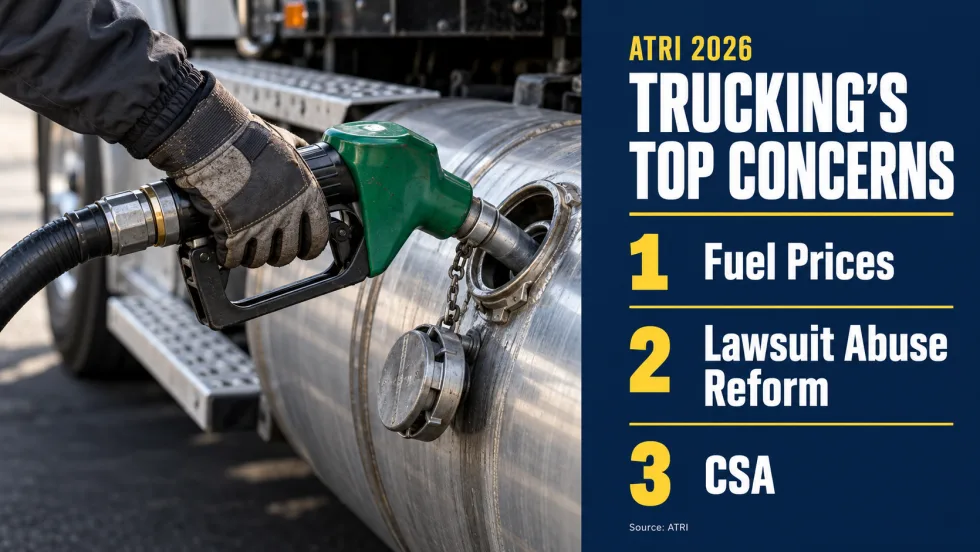
Diesel Prices Hijack Trucking’s Worry List
ATRI’s annual survey finds cautious optimism about freight, but diesel costs, litigation, and insurance continue to squeeze fleets. Drivers have different priorities on several issues.
Read More →
Nomination Deadline Extended for HDT Emerging Leaders
Just a few more days to nominate accomplished trucking fleet professionals under 40 who are making an impact and helping lead the industry forward for the HDT Emerging Leaders award. Deadline extended to October 20!
Read More →
What Will ATA’s New Leader Bring to Trucking's Table?
Incoming President and CEO Mark Colson’s record in Alabama offers clues about his priorities and approach following Chris Spear’s abrupt departure as the head of the American Trucking Associations.
Read More →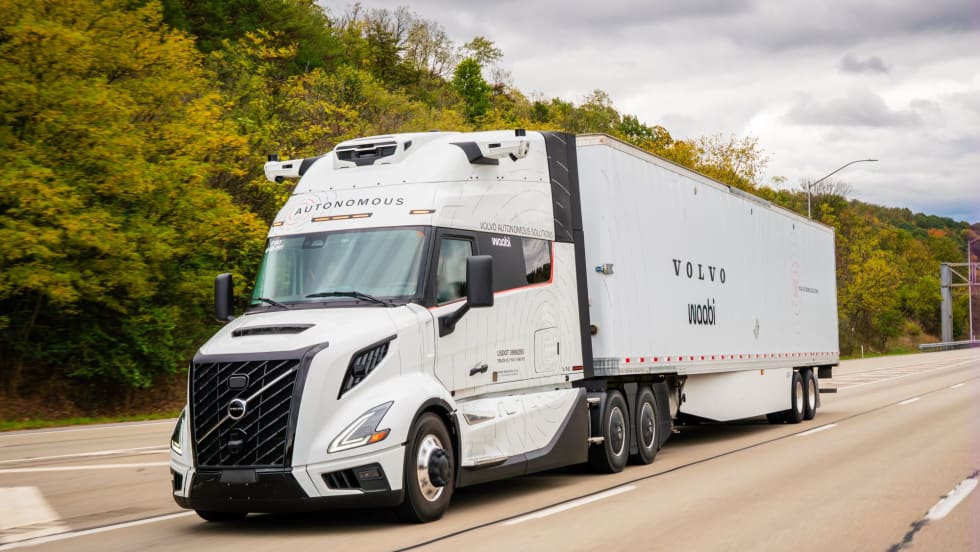
Volvo, Waabi Start Commercial Autonomous Operations in Texas
Volvo VNL Autonomous trucks, powered by the Waabi Driver, are hauling freight directly to third-party facilities for a customer in Texas.
Read More →
Samsara Launches Custom AI Agent Builder
Agent Studio lets fleets create AI tools for hours-of-service monitoring, reporting and driver support, including agents that communicate by phone.
Read More →