




A research team from Georgia Tech compared medium-duty electric and diesel urban delivery trucks for a range of scenarios and discovered the total costs of ownership were very similar – but the cost-competitiveness of the electric truck drops in drive cycles with higher average speed.
Study Finds Total Cost of Ownership Similar for Electric and Diesel Delivery Trucks
A research team from Georgia Tech compared medium-duty electric and diesel urban delivery trucks for a range of scenarios and discovered the total costs of ownership were very similar – but the cost-competitiveness of the electric truck drops in drive cycles with higher average speed.
by Truckinginfo Staff
July 15, 20132 min to read
Researchers tested a 2011 Smith Newton model with GVW of 7,490 pounds, curb weight of 4,260 lbs. and payload of 3,230 lbs. The truck was powered by a 120 kW electric motor traveling an average of 31 miles per day at an average speed of 32 mph while making an average of 1.7 stops per kilometer.
That was compared with a 2006 Freightliner package delivery truck with a Cummins engine with a GVW of 7,260 pounds, curb weight of 4,400 pounds and payload of 2,860 pounds. It traveled 41 miles daily at an average speed of 32 mph making 1.9 stops per kilometer.
Overall, researchers found the life-cycle energy use and greenhouse gas emissions of the electric truck are lower than that of the diesel truck, particularly for the frequent stop and low average speed drive cycles such as would be found delivering in New York City. Over an array of possible conditions, the median total cost of ownership of electric trucks is 22% less than that of diesel trucks on the New York City cycle.
On that NYC cycle, electric trucks emit 42% to 61% less GHGs and consume 32% to 54% less energy than diesel trucks, depending on vehicle efficiency.
For a drive cycle with less frequent stops and high average speed, such as the City–Suburban Heavy Vehicle Cycle used in the study, electric trucks emit 19% to 43% less GHGs and consume 5% to 34% less energy, but cost 1% more than diesel counterparts.
Battery replacement along with electrical generation figures will also greatly affect the relative TCO of the electric truck, researchers said.
To maximize the benefits from electric trucks, the durability and reliability of the automotive Li-ion battery are crucial, which might be advanced with technological development, note the study authors. Recycling of the EV Li-ion battery could also improve life-cycle energy consumption and GHG emissions.
The Georgia Tech team consisted of Dong-Yeon Lee, Civil and Environmental Engineering Ph.D. student, Valerie Thomas, Anderson Interface Associate Professor of Natural Systems in the Stewart School of Industrial & Systems Engineering, and Marilyn Brown, professor in the School of Public Policy. The study is published in the ACS journal Environmental Science & Technology.
The full study can be purchased here for $35 for 48 hour access.
Subscribe to Our Newsletter
More Fuel Smarts
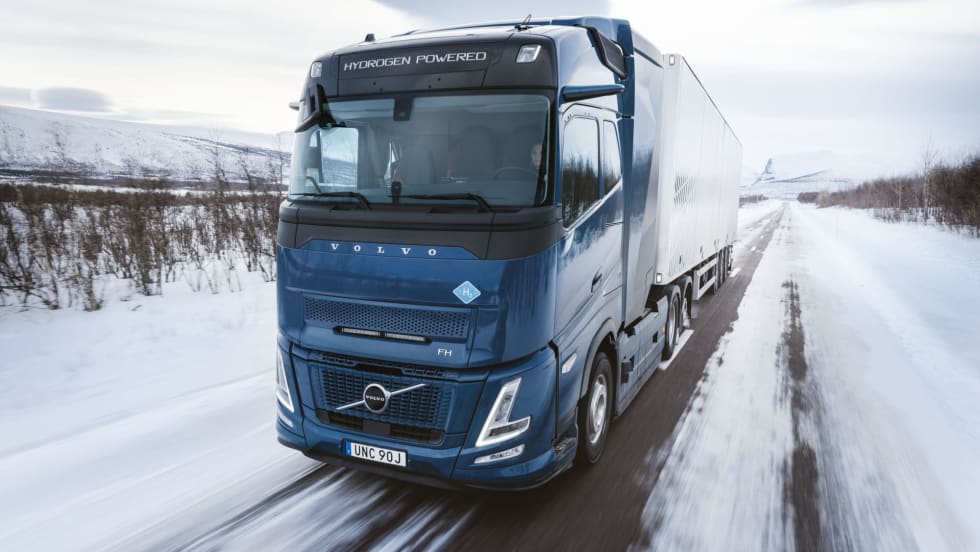
Volvo Testing Hydrogen-Fueled Internal Combustion Engines on Trucks in Europe
Hydrogen combustion engine trucks will be especially suitable over longer distances and in regions where there is limited charging infrastructure or time for recharging of battery-electric trucks, according to the company.
Read More →
Toyota’s Entry Into Cellcentric Signals Push to Accelerate Hydrogen Truck Adoption
By joining Daimler Truck and Volvo, Toyota brings fuel cell expertise to a joint effort aimed at making hydrogen viable for heavy-duty transport.
Read More →
U.S. Diesel Prices Hit $5.40, Top $7 in California
Trucking operators are slowing speeds, cutting empty miles, and declining unprofitable freight as diesel costs continue to rise due to conflict in the Middle East.
Read More →
EPA Targets DEF Sensor Failures Behind Truck Derates
New guidance allows engine makers to replace problematic DEF sensors with NOx-based systems, aiming to reduce unnecessary derates and downtime caused by failures in the sensors designed to monitor diesel exhaust fluid on trucks.
Read More →
Heavy Duty Trucking is Searching for the Top Green Fleets of 2026
Is your company a leader in sustainability efforts among trucking fleets? If so, Heavy Duty Trucking's editors want to hear from you.
Read More →
What's Real in Advanced Truck Technology? ACT Expo's Erik Neandross Weighs In
Artificial intelligence, the software-defined vehicle, telematics, autonomous trucks, electric trucks and alternative fuels, and more in this HDT Talks Trucking interview
Read More →Why Diesel Is Climbing Fast—and What the Iran Conflict Has to Do With It
With global oil flows disrupted, U.S. diesel prices have topped $5 across every region, climbing sharply in the past few weeks.
Read More →
From Diesel Prices to Cyberattacks: How the Iran War Is Affecting Trucking
The impact of the Iran conflict extends beyond fuel costs, bringing more fraud and cybersecurity risks to the trucking industry.
Read More →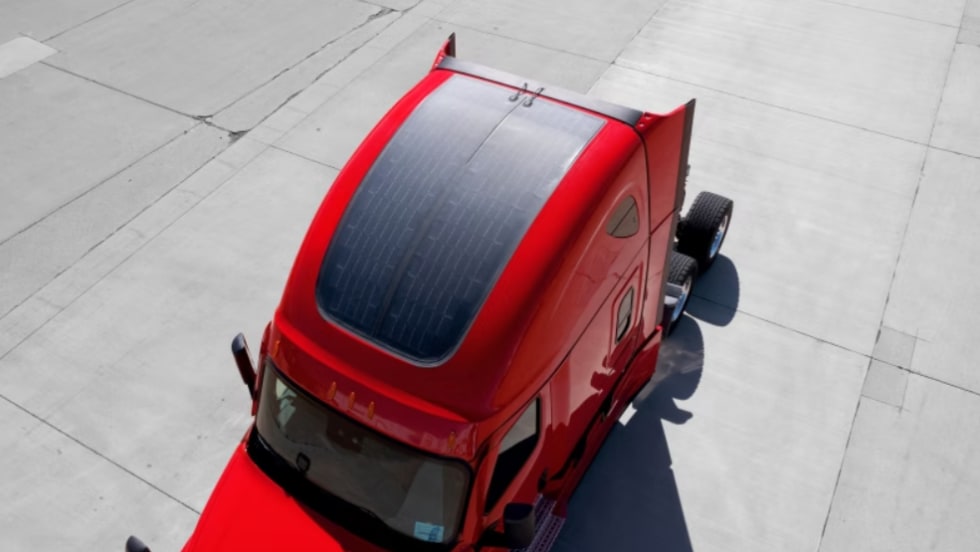
Vanair Introduces Solar, Battery Power Ecosystem for Class 8 Trucks
The company’s expanded EPEQ ecosystem includes flexible solar panels, lithium batteries, hydraulic power systems, and a portable fast charger for electric trucks.
Read More →
Run on Less “Messy Middle” Data Shows Multiple Paths for Truck Powertrains [Listen]
Listen as Mike Roeth of the North American Council for Freight Efficiency shares insights into battery-electric trucks, natural gas, biofuels, and clean diesel on this episode of HDT Talks Trucking.
Read More →