




Tires are Key Component of CSA Inspections
As one of the two biggest non-labor expenses that trucking fleets have, tires require careful maintenance. The Federal Motor Carrier Safety Administration’s Compliance, Safety, Accountability program further underscores the importance of good tire maintenance practices.
As one of the two biggest non-labor expenses that trucking fleets have, tires require careful maintenance. The Federal Motor Carrier Safety Administration’s Compliance, Safety, Accountability program further underscores the importance of good tire maintenance practices.
“Tire maintenance is top of mind for both fleets and drivers,” says Brian Buckham, marketing manager, Goodyear Commercial Tire Systems. Prior to the advent of CSA in 2010, tire violations were the responsibility of carriers. “Drivers are much more interested because tire violations now affect them, too.”
Fleets can stay on top of maintenance in a number of areas.
Tire tread depth. Is there adequate tread depth for the wheel position? Many fleets maintain tread depth minimums that vary depending on wheel position. Using a a tread gauge to measure tread depths is recommended.
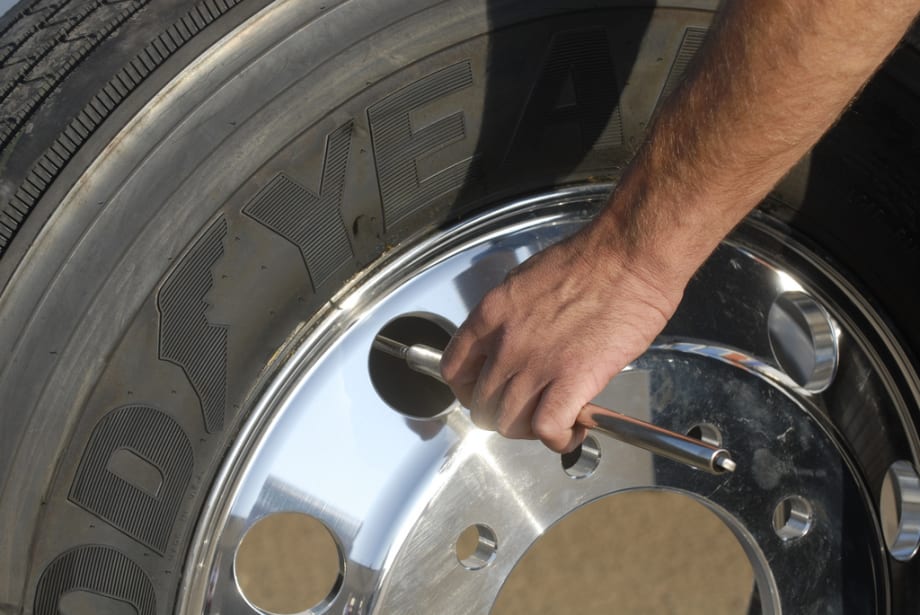
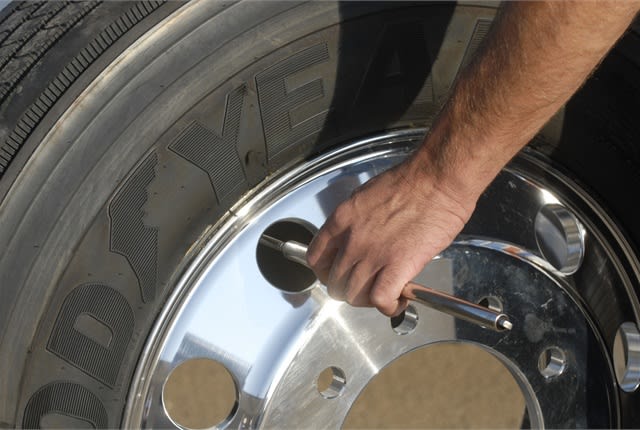
Tire pressure maintenance. Like tread depth inspection, tire pressure checks are a key part of any pre-trip inspection. “Check to see if the tire’s inflation pressure matches the pressure that is required to handle the load,” says Buckham. “Use a calibrated pressure gauge to obtain an accurate reading. Check the calibration periodically for accuracy.”
Visual tire inspections. Carefully look for damage to the tire’s tread and sidewall area, paying particular attention to exposed belt or ply material. These items will trigger an official inspection. Take the time to look at the inside dual tire and between duals for rocks and other debris that can cause trouble. Also look for uneven wear. If uneven wear patterns are present, a truck alignment might be in order.
Wheel inspections. Look for cracked wheels, as well as bolt holes that may have become elongated due to loose lug nuts.
“It requires teamwork to help ensure that a truck or trailer is road-worthy,” Buckham explains, “With the fleet maintenance manager performing maintenance at the terminal and the driver performing walk-around inspections to check inflation pressure, tread depth and other items.”
There are a number of third-party programs that can help fleets avoid tire-related CSA penalties. Goodyear, for instance, does this through its FleetHQ solutions program, including the Trailer-Readiness program and Tire Trac.
Through Trailer-Readiness, Goodyear commercial tire dealer technicians check tire tread depth, tire pressure, trailer lights, wheel seals, air valves, air lines and other components, according to Jose Martinez, brand manager, Goodyear Commercial Tire Systems. Data is made available through a secure, online portal and also through Goodyear-FleetHQ’s Tire Trac tire performance management program.
“Trailer-Readiness is organized around items the Department of Transportation would check, providing indicators of tire issues that might arise during a roadside inspection,” according to Martinez. It can augment daily pre-trip inspections and enhanced preventive maintenance practices.”
The Goodyear-FleetHQ Tire Trac program provides fleets with an up-to-date analysis of their “tire readiness,” Martinez continues. “We have built an extensive tire performance database through Tire Trac, and the information we have collected – and continue to collect – can be used to develop advanced reports that can demonstrate how tire and maintenance programs are performing within customers’ fleets.”
This gives fleet managers the ability to identify problem areas.
“Tires are sometimes overlooked when fleets and drivers are in a hurry to make deliveries and feel that they can cut back on inspections in the interest of saving time,” says Martinez. “Keeping tabs on the condition of your tires and wheels are critical to helping avoid CSA violations and penalties."
More Safety & Compliance
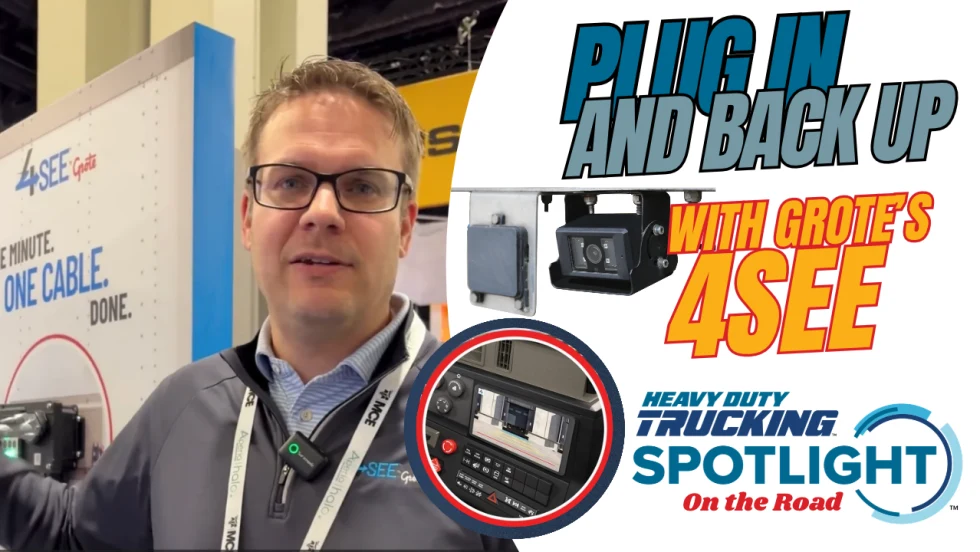
More Trailer Data Through the Same Seven-Way [Video]
Can trucking’s standard seven-way connector handle more cameras and trailer data? Grote’s Adam Slade shows HDT how the company is using new technology with its 4See trailer system, not only to add a new backup camera but also to expand other capabilities — without adding another connection.
Read More →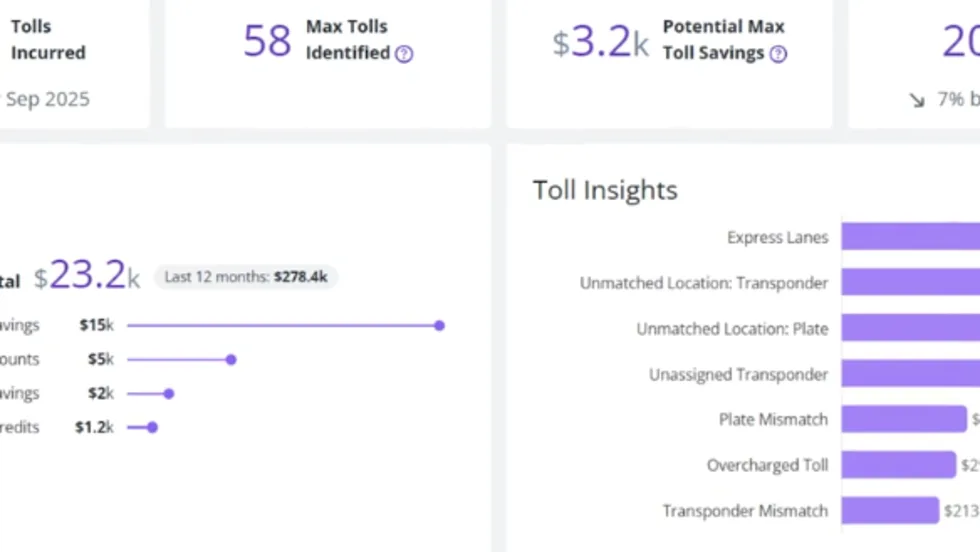
PrePass Intelligence Mines Fleet Bypass, Toll and Safety Data
PrePass Intelligence helps fleets measure bypass savings, flag potential toll overcharges, and spot suspicious transactions by combining data from separate systems.
Read More →
Fatal Crash Exposes Toll Plaza Risks
An NTSB investigation found that last-minute lane changes and large speed differences at an Ohio toll plaza created a hazard the truck driver couldn't avoid in time.
Read More →

When Language Stops the Truck: The Return of ELP Out-of-Service Orders
English language proficiency rules for commercial drivers aren’t new, but renewed out-of-service enforcement has raised the stakes. Here’s what carriers need to know before a driver reaches a roadside inspection.
Read More →
A Camera Isn't a Safety Program. Here's What Brokers Are Screening for Now
Footage alone may not be enough to pass broker vetting processes. Here's what counts as a defensible safety program now.
Read More →
Marijuana and Trucking’s Drug-Testing Dilemma
Marijuana is getting stronger, laws are changing, and drug tests still can’t reliably establish impairment. What does that mean for truck drivers and the fleets that employ them?
Read More →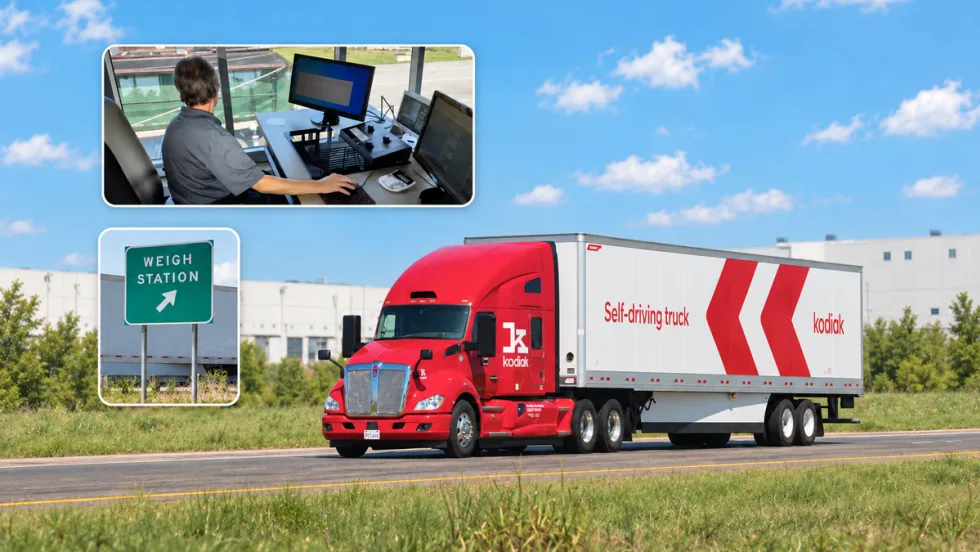
PrePass, Kodiak Connect Driverless Trucks to Roadside Enforcement
The system will allow enforcement agencies to verify Enhanced Inspection information and decide whether Kodiak’s autonomous trucks can bypass roadside screening sites.
Read More →
From One Generation to the Next: How Mentorship Builds Safer Truck Drivers
After three decades in trucking, Harold Perry shares what he's learned about driver safety, mentorship, and helping the next generation build confidence behind the wheel.
Read More →
FMCSA Pauses Biennial-Update Enforcement Amid Motus Transition
Carriers whose updates were due on or after June 1 have more time, while FMCSA works to stabilize its new registration system and warns of phishing sites impersonating its new carrier registration system, Motus.
Read More →
ZF Expands Commercial Vehicle Push in North America
ZF is expanding its North American commercial-vehicle presence with new transmission applications, electrification, trailer technology and autonomous-driving systems.
Read More →